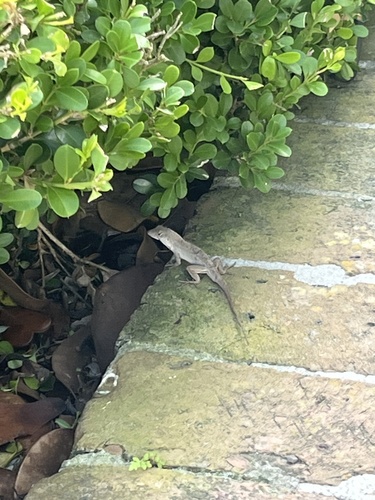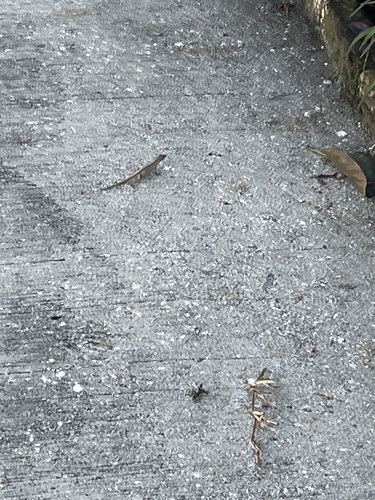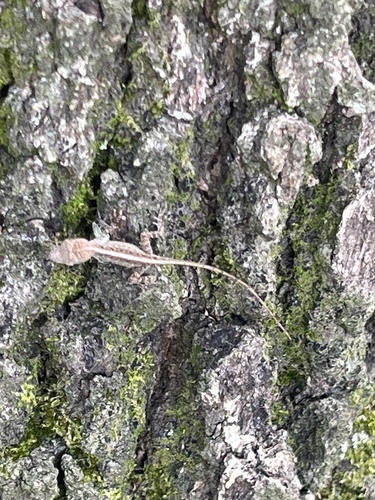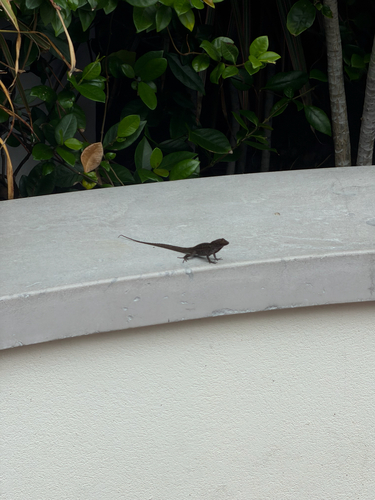





Brown Anole
Anolis sagrei
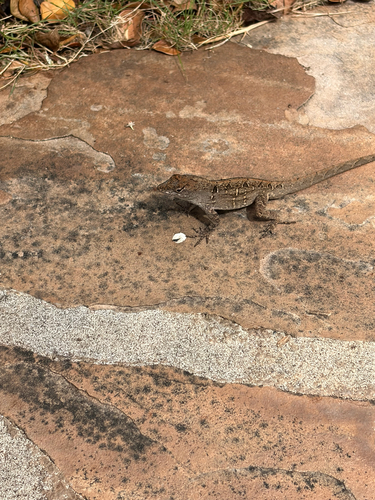
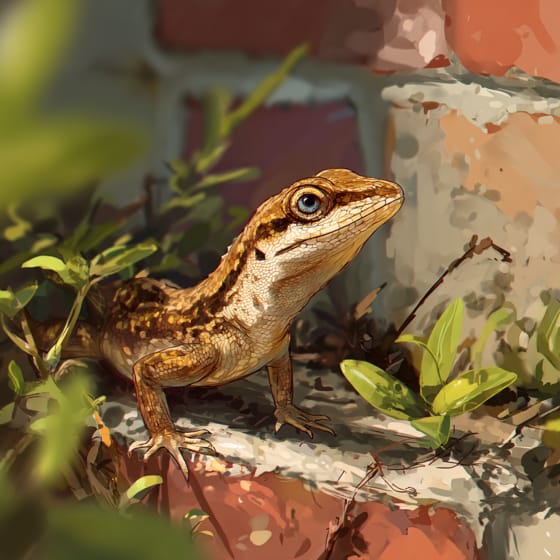
The Brown Anole is a small lizard that loves to bask in the sun. It can be found in gardens and on fences.
Habitat: Gardens and urban areas.
The Brown Anole is a small, slender lizard typically brown or grayish-brown, often displaying a lighter stripe down its back or intricate darker patterns. Males possess a distinctive, extendable red-orange throat fan, called a dewlap, that helps differentiate them.
Category
ReptilesRarity
Common
Danger
2/5 · Low
Snaps
613
Brown Anoles are super invasive; they've spread from Cuba all across the world!
Did you know a single female anole lays one egg every 1-2 weeks for months?
Their eyes can move independently, letting them look in two directions!
These lizards often head-bob and do "push-ups" to claim their territory!
Brown Anole has special toe pads covered in tiny lamellae that help them cling to almost any surface, even smooth glass!
Brown Anole can rapidly change skin color from light to dark brown to blend in, hiding from predators and prey.
Brown Anole males have a vibrant, inflatable dewlap that helps them signal to other anoles, attracting mates and warning rivals.
Tiny hunters, Brown Anoles munch on small bugs and other creepy crawlies they find!
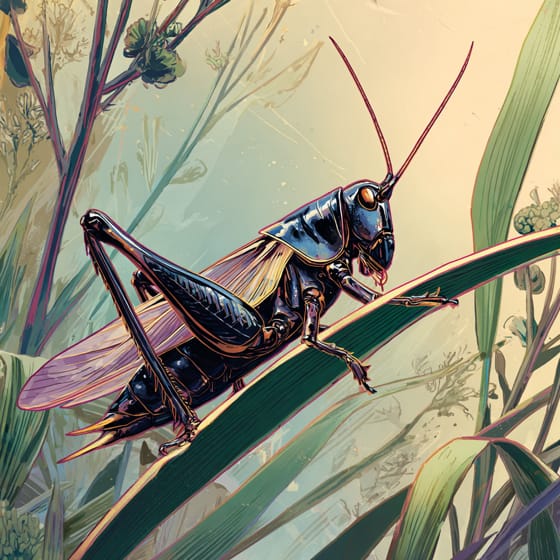
Gryllus assimilis
a common insect prey source
Musca domestica
a ubiquitous insect prey

Coluber constrictor
a native snake predator
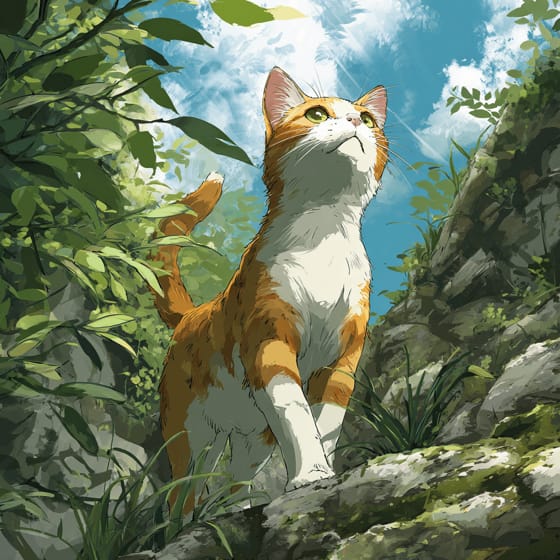
Felis catus
a significant non-native predator
Wildlife encompasses all undomesticated animal and plant life existing in their natural habitats.
Arboreal animals live primarily in trees, utilizing them for shelter, food, and protection from predators.
Camouflaged describes organisms that possess coloring or patterns that allow them to blend into their environment.
This trait identifies organisms whose diet primarily consists of insects and other small invertebrates.

Diurnal animals are primarily active during daylight hours, typically resting or sleeping at night.

This habitat trait indicates species that can coexist with humans in urban and suburban environments, utilizing man-made structures and green spaces.
Danger
2/5 · Low
Look but don’t touch. Keep a safe distance and wash hands after exploring.
The easiest way to identify Brown Anole is to use the Snappit nature identifier app.
13-20 cm
0.003-0.008 kg
1-5 years
12 km/h
Tiny hunters, Brown Anoles munch on small bugs and other creepy crawlies they find!
Gardens and urban areas.
Ambush
Zoom in to split clusters and explore where this object has been snapped.
Jun 19, 2026
BroadmoorPhoto attribution
(c) Elliot Greiner, some rights reserved (CC BY)
License: CC BY 4.0 ↗
Image may be shown cropped inside the card frame.
Jun 19, 2026
BroadmoorPhoto attribution
(c) Elliot Greiner, some rights reserved (CC BY)
License: CC BY 4.0 ↗
Image may be shown cropped inside the card frame.
Jun 19, 2026
BroadmoorPhoto attribution
(c) Elliot Greiner, some rights reserved (CC BY)
License: CC BY 4.0 ↗
Image may be shown cropped inside the card frame.
Jun 19, 2026
St. Augustine Town Plan Historic DistrictPhoto attribution
(c) Ryan McMinds, some rights reserved (CC BY)
License: CC BY 4.0 ↗
Image may be shown cropped inside the card frame.
Jun 14, 2026
Lahaina Historic DistrictPhoto attribution
(c) speedy-birds, some rights reserved (CC BY)
License: CC BY 4.0 ↗
Image may be shown cropped inside the card frame.

Hawaii, US
You might spot Brown Anole, Gold Dust Day Gecko, and Red-Crested Cardinal.
View guide →

Florida, US
You might spot Atala, Monarch, and Brown Anole.
View guide →

Louisiana, US
You might spot Brown Anole, White Ibis, and Duck.
View guide →

South Carolina, US
You might spot Brown Pelican, Boat-Tailed Grackle, and Great Egret.
View guide →

Florida, US
You might spot American Alligator, Brown Anole, and Red-Shouldered Hawk.
View guide →

Florida, US
You might spot Crested Anole, Brown Anole, and Peters's Rock Agama.
View guide →
Take the discovery with you
Snap it with Snappit to identify it, learn what makes it special, and add the discovery to your collection.