




Tiger
Nestled in West Palm Beach, the Palm Beach Zoo & Conservation Society invites you to embark on a captivating adventure through 23 acres of beautifully curated tropical landscapes.
Nestled in West Palm Beach, the Palm Beach Zoo & Conservation Society invites you to embark on a captivating adventure through 23 acres of beautifully curated tropical landscapes. Home to more than 550 animals from nearly 200 species, including many that are endangered, this accredited zoological park offers an immersive experience that blends entertainment with a strong commitment to wildlife conservation. As you wander through the lush, shaded pathways, you'll discover meticulously recreated habitats that transport you across continents, from the cypress swamps of the Florida Wetlands to the ancient Mayan ruins of the Tropics of the Americas and the unique ecosystems of The Islands. The zoo's design encourages intimate encounters with its diverse residents.
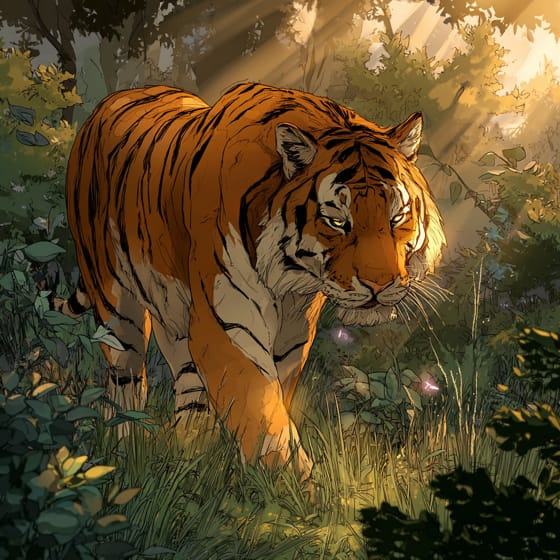
Witness the powerful Malayan tigers prowling in their Tiger River habitat, observe the stealthy jaguars navigating their lush domain, or delight in the antics of North American river otters. Don't miss the chance to hand-feed vibrant lorikeets in the popular Lorikeet Loft, an experience where these colorful birds may perch directly on you. Interactive elements, engaging animal talks, and special animal experiences like the Aldabra Tortoise encounter further enrich your visit, fostering a deeper connection with the animal kingdom.
Beyond the captivating animal exhibits, the Palm Beach Zoo offers a family-friendly atmosphere with amenities designed for all ages. Children can splash and play in the interactive Fountain Plaza, ride the delightful Wildlife Carousel, or explore the Nature Play Pavilion. With its dedication to inspiring guests to act on behalf of wildlife and the natural world, the Palm Beach Zoo is more than just an attraction; it's an educational journey that makes a tangible difference for species globally and locally. Eager to name that creature? Identify any animal you find during your visit using the Snappit app.
The Palm Beach Zoo began with humble origins in the 1950s. It was first conceived by Paul Dreher, the Parks Director for the City of West Palm Beach, who started a small "barnyard petting zoo" in what was then Bacon Park (later renamed Dreher Park) with a modest collection of animals, including two ducks, a goose, two chickens, and a goat. This small collection, started with just $18, quickly grew in popularity. In 1969, with the support of the city, the Zoological Society of the Palm Beaches was founded, taking over the operation of the zoo. Under their management, the zoo expanded significantly to its current 23 acres and diversified its animal collection. It gained accreditation from the Association of Zoos and Aquariums (AZA) in 1989 and was officially renamed the Palm Beach Zoo in 1997. Major developments like the George and Harriett Cornell Tropics of the Americas exhibit (2004) and Tiger Falls (2000) have since transformed it into a leading conservation and education center.
Enjoy daily animal talks and feeding demonstrations, engage in unique animal experiences (like feeding Aldabra tortoises or Koalas – booking in advance is recommended), let children play at the Nature Play Pavilion, and take a ride on the Wildlife Carousel.
South Florida summers are hot and humid, but the zoo offers extensive shade and indoor, air-conditioned areas like the Latitude 26 Cafe. The zoo hosts special events throughout the year, such as holiday lights walks and themed "Safari Nights."
The Palm Beach Zoo features flat, paved pathways throughout, making it easily navigable for strollers, wheelchairs, and motorized scooters. Manual wheelchairs are available for rent at $10 per day, and state-of-the-art WHILL power chairs can be rented for $40 per day, enhancing mobility for all guests. Companion care restrooms are available, and service animals are permitted with certain guidelines.
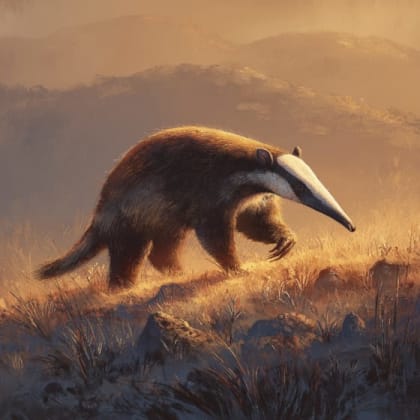
Explore a vivid Central and South American rainforest, home to jaguars, giant anteaters, capybaras, and various monkey species amidst impressive Mayan-themed architecture.
Witness the majestic Malayan tigers in a naturalistic Asian rainforest setting.
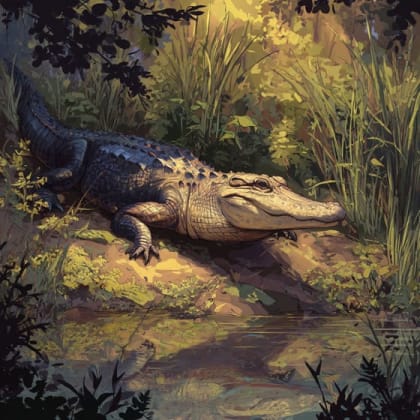
Discover native Florida wildlife, including Florida panthers, American alligators, and North American river otters, in a recreation of a cypress swamp.
Encounter unique island species like koalas, Hoffmann's two-toed sloths, and a variety of lemurs.
Each card links to a full Explore page with photos, traits, and fun facts.
Start with the big picture, then zoom in to explore individual wildlife observations around this place.
Arrive Early
Beat the heat and see animals at their most active by arriving shortly after opening.
Bring Swimsuits
The Fountain Plaza is a popular splash pad for children, so pack swimwear and a towel for them to cool off.
Check Daily Schedule
Consult the zoo's daily schedule upon arrival for animal talks, feeding times, and special programs to plan your route.
Stay Hydrated
Carry water bottles or utilize the water stations available throughout the park, especially on warmer days.
Utilize Shade & AC
Take advantage of the numerous shaded pathways and air-conditioned indoor spaces like Latitude 26 Cafe to stay comfortable.
Consider Animal Experiences
For a truly memorable visit, look into booking one of the special animal experiences (e.g., Koala, Aldabra Tortoise, Otter) in advance for an up-close encounter.
Mar 1, 2026
Feb 28, 2026
Feb 28, 2026
Feb 27, 2026
Feb 27, 2026

Michigan, US
You might spot African Lion, Komodo Dragon, and Brown Bear.
View guide →
.jpg)
Municipal District of Cobh, IE
You might spot Ring-Tailed Lemur, Giraffes, and Cheetahs.
View guide →

Nouvelle-Aquitaine, FR
You might spot Greater Flamingo, Giraffes, and Red Panda.
View guide →

Texas, US
You might spot Giraffes, African Lion, and Eastern Black Rhinoceros.
View guide →
Take the discovery with you
Identify the wildlife you spot, learn as you go, and keep a collection of the adventure.