




Snapping Turtle
Chelydra serpentina
The Snapping Turtle has a big, strong jaw and a tough shell. They are excellent at hiding in the water and can snap their jaws quickly if they feel threatened!
Habitat: Freshwater lakes, rivers, and swamps
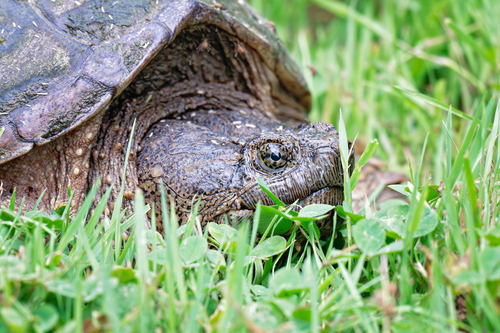
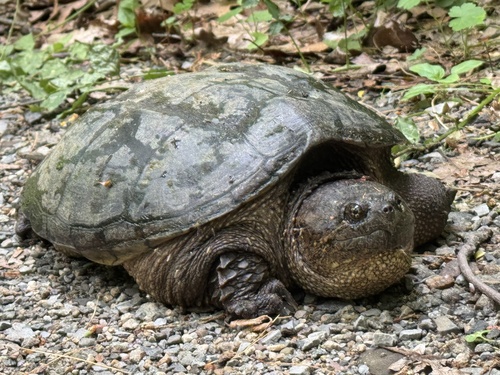
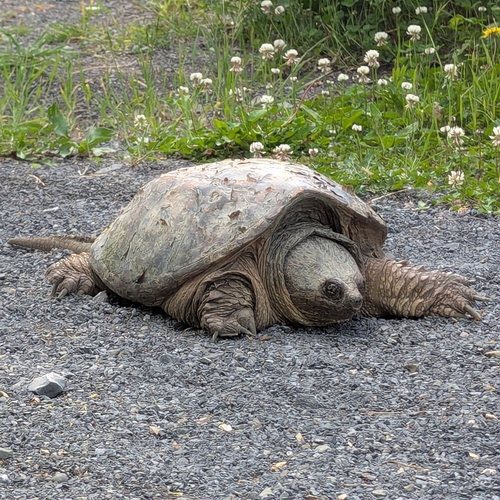
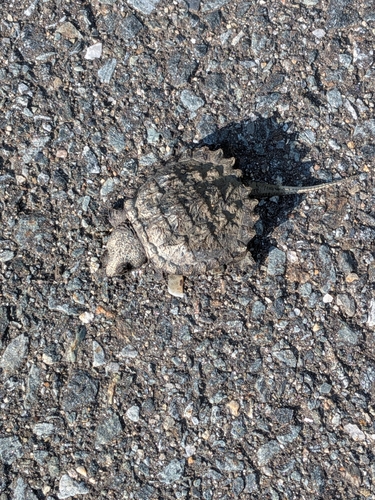
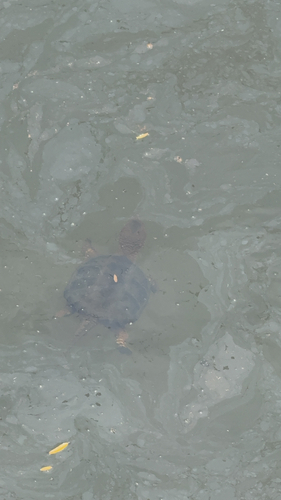
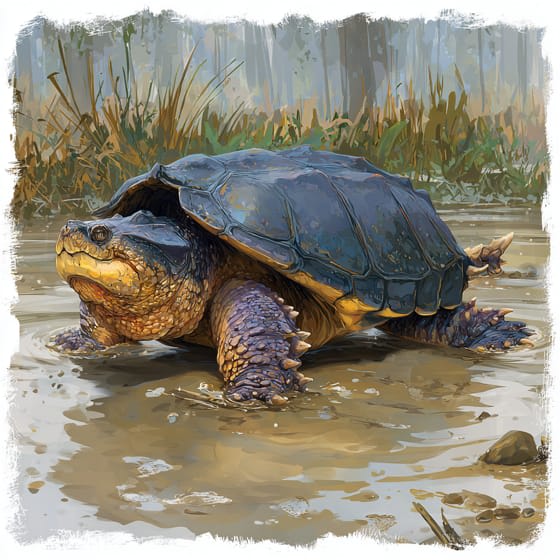
The Snapping Turtle has a large, dark, rough shell, often covered in algae. It features a long, serrated tail and a powerful, hooked jaw. Its body is typically dark green, brown, or black, helping it blend into muddy waters.
Category
ReptilesRarity
Common
Danger
2/5 · Low
Snaps
445
Snapping turtles can live to be older than your grandparents!
Some can grow so big their shell is wider than a pizza!
Their powerful bite can easily snap a carrot in half!
They can breathe underwater using special patches in their mouths!
Snapping Turtle has a dark, often algae-covered shell that helps them blend into murky freshwater environments.
Snapping Turtle can hide in mud and weeds, ambushing prey with its powerful jaws.
Snapping Turtle has incredibly strong jaws that help them crush shells of mollusks and capture slippery fish.
Snapping Turtle has a reduced bottom shell (plastron) that helps them move easily on land and in muddy bottoms.
An omnivore, it eats plants, fish, insects, and anything else it can catch.
Age differences: Young turtles eat more insects; adults eat more fish and larger prey.

Procyon lotor
Raccoons raid nests for their eggs and prey on hatchlings.
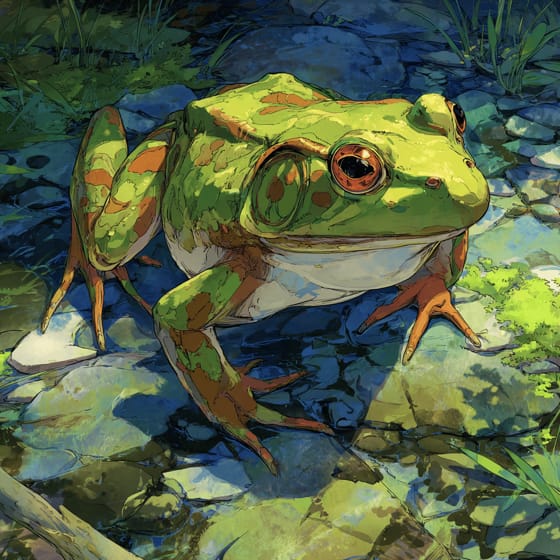
Lithobates catesbeianus
Snapping turtles ambush and eat adult bullfrogs.
Lepomis macrochirus
They ambush sunfish, an important part of their diet.
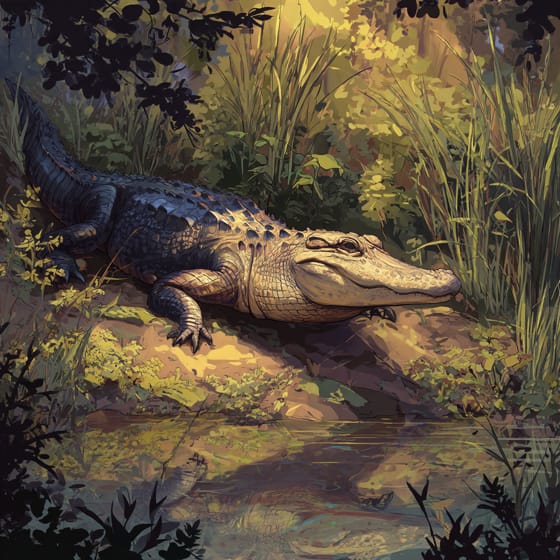
Alligator mississippiensis
Large alligators can prey on adult snapping turtles.
Wildlife encompasses all undomesticated animal and plant life existing in their natural habitats.
Solitary animals live alone for most of their lives, only interacting with others for mating or parental care.
This trait characterizes organisms with an exceptionally long lifespan compared to others of their kind.
Armored describes animals protected by a hard, external covering or shell for defense.

This trait identifies organisms whose diet consists entirely or primarily of animal tissue.

Freshwater habitats include non-saline aquatic environments such as rivers, lakes, ponds, and wetlands, vital for numerous species.

Nocturnal animals are primarily active during the nighttime hours, typically resting or sleeping during the day.
Danger
2/5 · Low
Look but don’t touch. Keep a safe distance and wash hands after exploring.
The easiest way to identify Snapping Turtle is to use the Snappit nature identifier app.
20-49 cm
4.5-16 kg
30-47 years
1 km/h
An omnivore, it eats plants, fish, insects, and anything else it can catch.
5 km/h
Freshwater lakes, rivers, and swamps
Zoom in to split clusters and explore where this object has been snapped.
Jun 11, 2026
Mill Creek ParkPhoto attribution
(c) Karen Szafrajda, some rights reserved (CC BY)
License: CC BY 4.0 ↗
Image may be shown cropped inside the card frame.
Jun 7, 2026
SkylandsPhoto attribution
(c) gwt2102, some rights reserved (CC BY)
License: CC BY 4.0 ↗
Image may be shown cropped inside the card frame.
Jun 6, 2026
Cornell Botanic GardensPhoto attribution
no rights reserved
License: CC0 1.0 ↗
Image may be shown cropped inside the card frame.
Jun 6, 2026
WilderPhoto attribution
(c) Jason Hill, some rights reserved (CC BY)
License: CC BY 4.0 ↗
Image may be shown cropped inside the card frame.
Jun 6, 2026
Colonial Annapolis Historic DistrictPhoto attribution
(c) zaneotic, some rights reserved (CC BY)
License: CC BY 4.0 ↗
Image may be shown cropped inside the card frame.

Alabama, US
You might spot Elf Orpine, Canada Goose, and Leatherleaf Mahonia.
View guide →

New York, US
You might spot Sundial Lupine, Spotted Horsemint, and New Jersey Tea.
View guide →

Tennessee, US
You might spot House Sparrow, Northern Mockingbird, and Gulf Fritillary.
View guide →
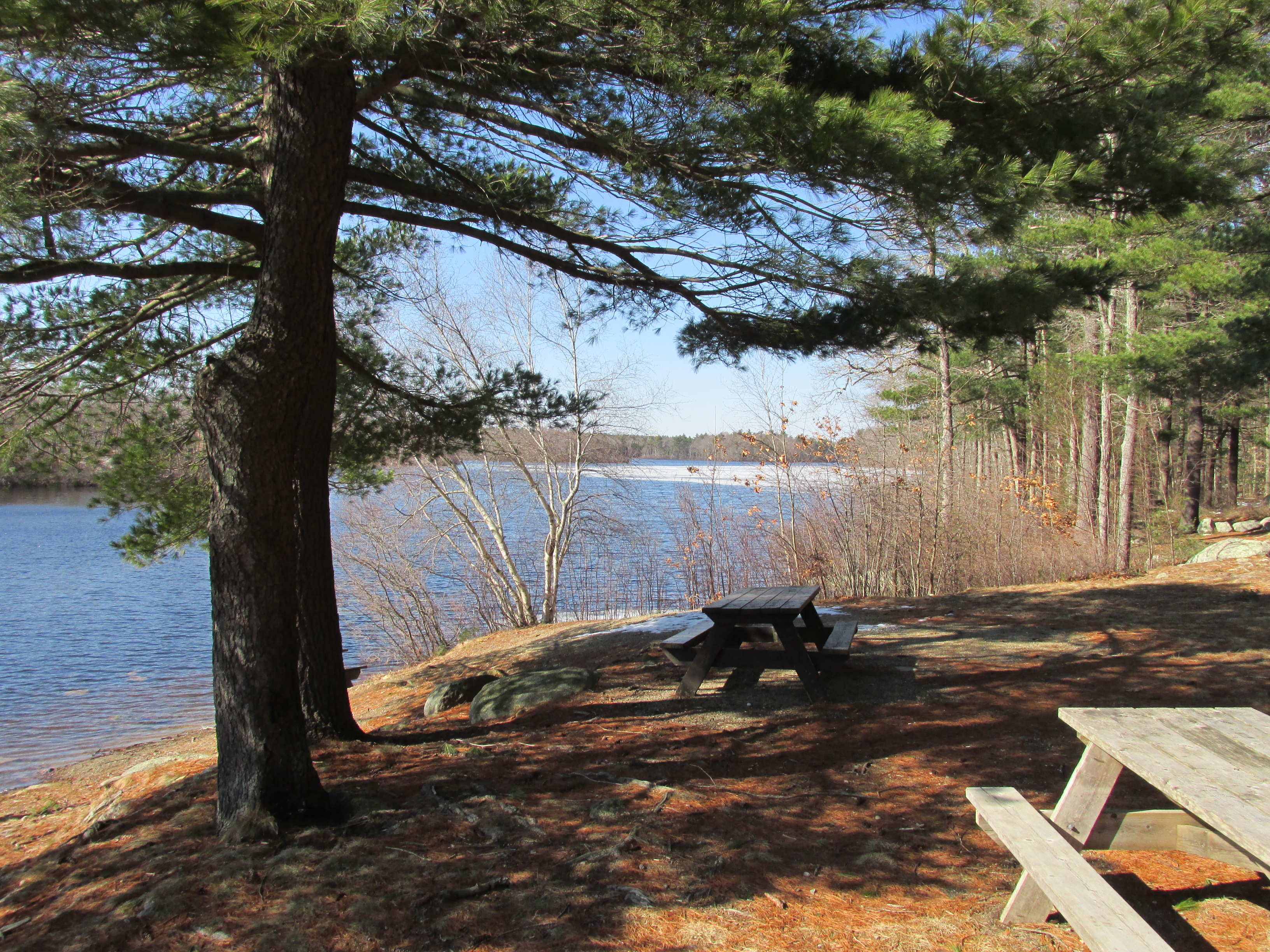
Massachusetts, US
You might spot Eastern White Pine and Common Eastern Bumble Bee.
View guide →

Rhode Island, US
You might spot Common Mugwort, Duck, and Azure Bluet.
View guide →

Rhode Island, US
You might spot Common Eastern Bumble Bee and Osprey.
View guide →
Take the discovery with you
Snap it with Snappit to identify it, learn what makes it special, and add the discovery to your collection.