





Cabbages And Mustards
brassica
Cabbages and mustards are leafy plants that come in many colors and shapes! They are fun to eat and can grow in gardens or fields.
Habitat: Cabbages and mustards can be found in gardens, farms, and open fields.
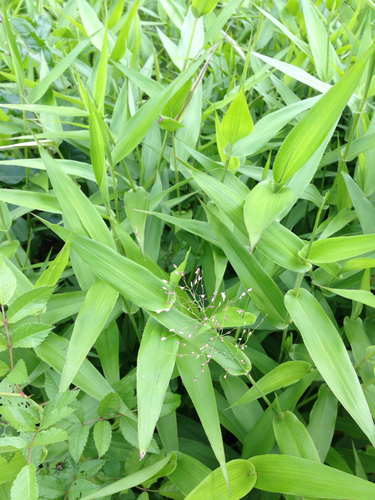
The Cabbages And Mustards is a diverse group of plants typically featuring broad, often crinkled or smooth green leaves, which can form dense, rounded heads or grow upright. Its small, four-petaled flowers are usually bright yellow, sometimes white, arranged in clusters. Distinctive leaf shapes differentiate them.
Category
PlantsRarity
Common
Danger
0/5 · No known danger
Snaps
Be the first to snap!
Broccoli, kale, and Brussels sprouts are all members of the cabbage family!
Mustard seeds have been used for thousands of years as food and medicine!
Some types of mustard can grow over a meter tall in just a few weeks!
The spicy kick in mustard comes from chemicals released when the seeds are crushed!
Cabbages And Mustards can create pungent mustard oils that deter many insects and animals from eating them.
Many varieties store massive amounts of nutrients in their thick leaves or dense heads, like a living food reserve.
Some types can grow very quickly from seed to maturity, helping them establish before competitors.
Pieris rapae
Larvae consume leaves.
Apis mellifera
Collects nectar and pollen.
Brevicoryne brassicae
Sucks sap from leaves.
Plutella xylostella
Larvae chew plant tissues.
Social animals live in organized groups, cooperating for survival benefits such as foraging, defense, and raising offspring.
Colorful describes organisms or objects displaying a wide range of bright and distinct colors.
Grassland habitats are terrestrial biomes dominated by grasses and herbaceous plants, supporting a variety of grazing animals.
This trait characterizes organisms whose diet consists entirely or primarily of plant material.

Describes organisms that transfer pollen, enabling the fertilization and reproduction of plants.
Danger
0/5 · No known danger
No special safety notes yet.
The easiest way to identify Cabbages And Mustards is to use the Snappit nature identifier app.
15-150 cm
10-90 cm
1-2 cm
Spring to Summer
Yes
None
Biennial
Zoom in to split clusters and explore where this object has been snapped.
Recent snaps will appear here as new observations are added.
Take the discovery with you
Snap it with Snappit to identify it, learn what makes it special, and add the discovery to your collection.









.jpg&width=800)



_001.jpg&width=800)




