Camembert Brittlegill
russula amoenolens
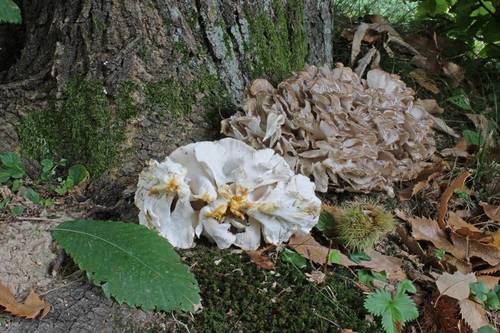
The Camembert Brittlegill is a special mushroom that looks like a little cheese wheel! Kids love to spot these colorful fungi growing in the forest.
Habitat: Forests, especially under trees and in damp areas.
The Camembert Brittlegill has a creamy grey-brown to olive cap, often darker in the middle, resembling an aged Camembert cheese. Its sturdy white stem and gills provide a striking contrast, making it easy to spot against forest litter.
Category
FungiRarity
Common
Danger
1/5 · Very low
Snaps
Be the first to snap!
It's part of a huge fungi family with over 750 species worldwide!
Its scientific name 'amoenolens' means 'pleasant smelling' in Latin, because of its unique aroma!
The 'brittlegill' part of its name comes from its delicate gills that snap easily!
You can often smell this mushroom's cheesy scent before you even see it!
Camembert Brittlegill has a powerful cheesy scent that helps attract small forest creatures, aiding in spore dispersal.
Camembert Brittlegill can weave a hidden root network, helping trees absorb water and nutrients from the soil.
Camembert Brittlegill helps recycle nutrients by breaking down forest debris, enriching the soil for new plant growth.
Quercus robur
Trades nutrients with its roots.
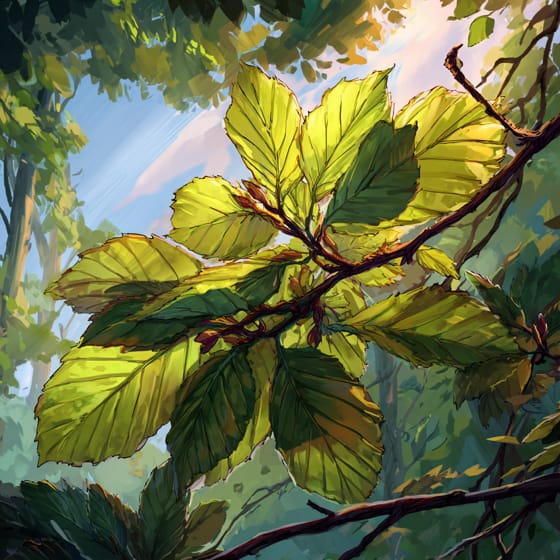
Fagus sylvatica
Forms a vital underground partnership.
Arion lusitanicus
Slugs sometimes graze on its cap.
Solitary animals live alone for most of their lives, only interacting with others for mating or parental care.
Colorful describes organisms or objects displaying a wide range of bright and distinct colors.
Describes organisms that break down dead organic material, recycling nutrients back into the ecosystem.
Forest habitats are terrestrial environments dominated by dense tree cover, supporting a high diversity of plant and animal life.

Diurnal animals are primarily active during daylight hours, typically resting or sleeping at night.
Danger
1/5 · Very low
Do not touch or eat wild mushrooms without adult supervision.
The easiest way to identify Camembert Brittlegill is to use the Snappit nature identifier app.
4-8 cm
inedible
4-10 cm
Forests, especially under trees and in damp areas.
soil
Summer to fall
White to creamy white
Zoom in to split clusters and explore where this object has been snapped.
Recent snaps will appear here as new observations are added.
Take the discovery with you
Snap it with Snappit to identify it, learn what makes it special, and add the discovery to your collection.