





catmints
Nepeta
Catmints are lovely plants with soft, green leaves and pretty purple flowers. They smell wonderful and attract butterflies and bees, making gardens a happy place!
Habitat: Urban areas
The catmints has fuzzy, grey-green leaves with a distinct minty scent and square stems. It produces tall spikes of small, tubular flowers that are often purple, blue, or white, making it a vibrant addition to any garden.
Category
PlantsRarity
Common
Danger
1/5 · Very low
Snaps
Be the first to snap!
Ancient Egyptians may have used a type of catmint to calm their sacred cats!
Humans sometimes brew catmint leaves into a tea to help them relax before bed.
Its square stems and minty smell show it's related to many herbs like basil and oregano!
The scent of catmint can sometimes even make big cats, like lions, feel playful!
Catmints can produce a special chemical, nepetalactone, that makes many cats feel happy and playful!
This plant has fuzzy leaves that help it save water, allowing it to survive in very dry places.
Catmints display vibrant, nectar-rich flowers that act like a beacon, attracting many helpful bees and butterflies.
Apis mellifera
collects nectar and pollen

Bombus impatiens
visits flowers for nectar
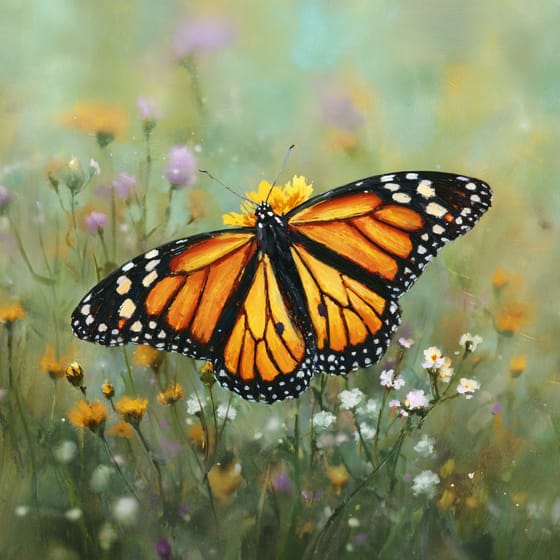
Danaus plexippus
gathers nectar during migration
Aromatic plants produce and emit fragrant volatile organic compounds, often for defense or to attract pollinators.
Flowering plants are any plants that produce flowers as part of their reproductive cycle.
Summer blooming plants produce their flowers during the summer season, often providing vibrant color when many other plants have finished.
Fragrant flowers emit a pleasant aroma, often to attract pollinators or for defense.

Medicinal plants possess chemical compounds that can be used for therapeutic purposes to treat illnesses or maintain health.

Describes plants that are particularly attractive and beneficial to a wide range of pollinating organisms.

This habitat trait indicates species that can coexist with humans in urban and suburban environments, utilizing man-made structures and green spaces.

Describes organisms that transfer pollen, enabling the fertilization and reproduction of plants.
Danger
1/5 · Very low
Always ask an adult before touching or smelling plants.
The easiest way to identify catmints is to use the Snappit nature identifier app.
30-90 cm
30-90 cm
0.5-1.5 cm
Late spring to fall
Yes
None
Perennial
Zoom in to split clusters and explore where this object has been snapped.
Recent snaps will appear here as new observations are added.
Take the discovery with you
Snap it with Snappit to identify it, learn what makes it special, and add the discovery to your collection.








.jpg&width=800)


_001.jpg&width=800)




