





common selfheal
Prunella vulgaris
Common selfheal is a small plant with purple flowers that loves to grow in grassy places. It's known for its healing properties and can be found in many gardens and fields.
Habitat: Grasslands
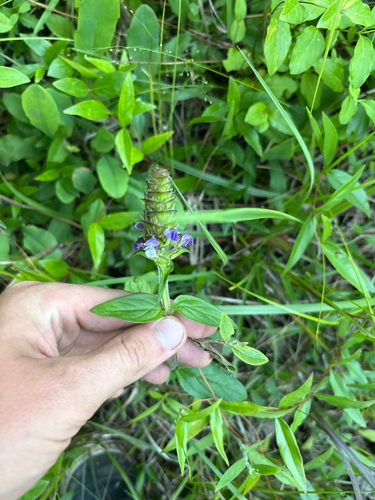
The common selfheal is a low-growing plant with square stems and opposing oval leaves. Its most striking feature is its dense, purplish-blue flower spikes, often appearing cone-like, making it distinct from many common lawn plants.
Category
PlantsRarity
Common
Danger
1/5 · Very low
Snaps
37
Even its young leaves and flowers can be added to salads!
In some cultures, it was believed to ward off evil spirits!
Its square stems instantly reveal it's a member of the mint family!
This resilient plant can thrive even when repeatedly mown!
Common selfheal has creeping stems that root at the nodes, allowing it to spread efficiently and cover ground.
Common selfheal produces dense, nectar-rich flower spikes that act as a strong visual and food signal for many insects.
Common selfheal contains natural compounds that have traditionally been used to soothe minor skin irritations and wounds.
Apis mellifera
collects nectar and pollen from its flowers
Bombus terrestris
a frequent visitor to its dense flower spikes
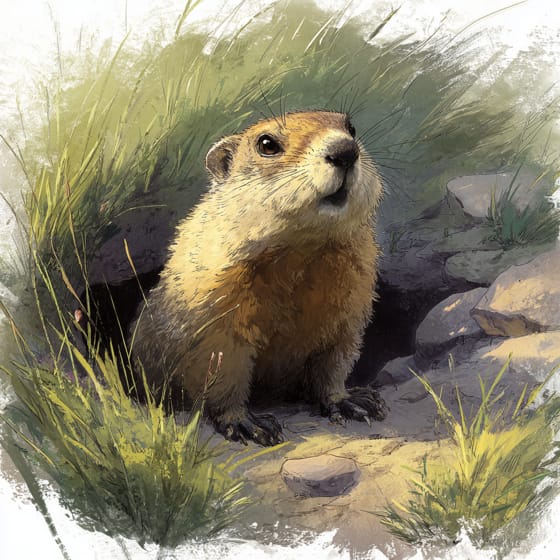
Marmota monax
often grazes on its leaves and stems

Odocoileus virginianus
includes common selfheal in its varied diet
Flowering plants are any plants that produce flowers as part of their reproductive cycle.
Spring blooming plants produce their flowers during the spring season, often signifying the end of winter and the start of new growth.
Summer blooming plants produce their flowers during the summer season, often providing vibrant color when many other plants have finished.
Fragrant flowers emit a pleasant aroma, often to attract pollinators or for defense.

Medicinal plants possess chemical compounds that can be used for therapeutic purposes to treat illnesses or maintain health.

Edible plants are those parts of a plant that are considered safe for human consumption.

Grassland habitats are terrestrial biomes dominated by grasses and herbaceous plants, supporting a variety of grazing animals.

Describes plants that are particularly attractive and beneficial to a wide range of pollinating organisms.
Danger
1/5 · Very low
Always ask an adult before touching or picking any plants.
The easiest way to identify common selfheal is to use the Snappit nature identifier app.
5-30 cm
15-45 cm
0.5-2 cm
Spring to Fall
Yes
None
Perennial
Zoom in to split clusters and explore where this object has been snapped.
May 17, 2026
Fayette County Courthouse Historic DistrictPhoto attribution
no rights reserved
License: CC0 1.0 ↗
Image may be shown cropped inside the card frame.
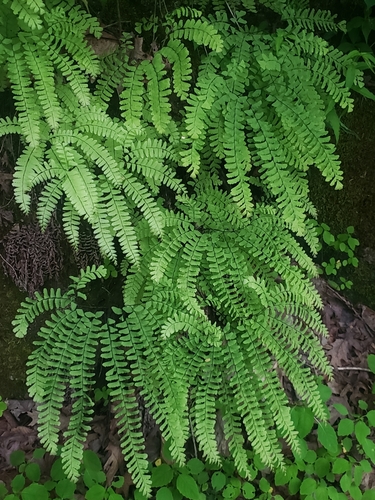
Iowa, US
You might spot Northern Maidenhair Fern and Wood Nettle.
View guide →

Washington, US
You might spot Pacific Tree Frog and Long-Toed Salamander.
View guide →

Arkansas, US
You might spot Pear-Shaped Puffball and American Beautyberry.
View guide →
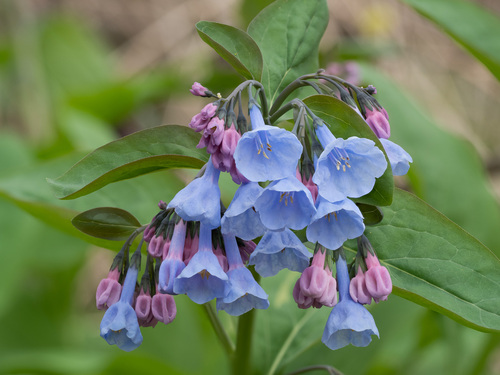
Virginia, US
You might spot Virginia Bluebells and Virginia Springbeauty.
View guide →
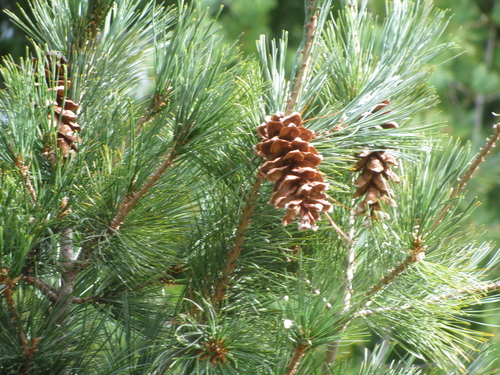
New Hampshire, US
You might spot Eastern White Pine, Eastern Skunk Cabbage, and Duck.
View guide →

California, US
You might spot Great Blue Heron, Western Gull, and Coyote.
View guide →
Take the discovery with you
Snap it with Snappit to identify it, learn what makes it special, and add the discovery to your collection.








.jpg&width=800)


_001.jpg&width=800)



