




Chinstrap Penguin
Pygoscelis antarcticus
The Chinstrap Penguin gets its name from the black band under its head that looks like a chinstrap. They are very friendly and like to gather in large groups.
Habitat: Sub-Antarctic islands
The Chinstrap Penguin has a distinctive thin black band under its chin, resembling a strap, contrasting with its white face. It features a black back, white belly, and striking reddish-pink eyes, making it easily identifiable among other penguins.
Category
BirdsRarity
Common
Danger
2/5 · Low
Snaps
Be the first to snap!
Chinstraps spend almost their entire lives at sea, only coming to land to breed.
Male Chinstraps "propose" to females by offering a special pebble to their chosen mate.
Their huge colonies can number hundreds of thousands of birds, making a lot of noise!
They build their nests out of small stones on rocky, ice-free ground, carefully arranged.
Chinstrap Penguins can propel themselves through water at high speeds using powerful flippers that act like wings for swimming.
Chinstrap Penguins have a thick layer of blubber that helps them stay warm and insulated in freezing Antarctic waters.
Chinstrap Penguins can leap out of the water onto ice floes, saving energy and avoiding underwater predators.
Chinstrap Penguins have eyes specially adapted for clear vision underwater, helping them spot tiny prey.
These penguins love to eat tiny krill, small fish, and squid found in the cold Southern Ocean.
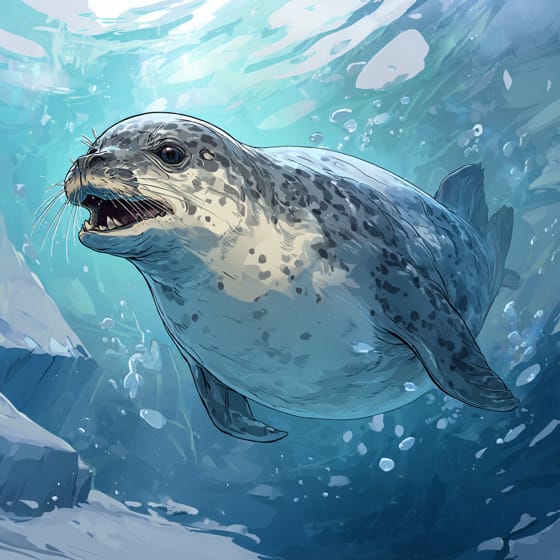
Hydrurga leptonyx
A major predator, snatching penguins from the water or ice edge.
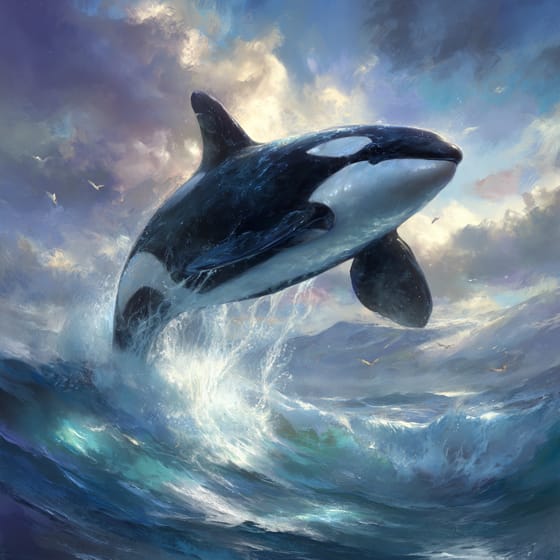
Orcinus orca
Large pods hunt penguins and seals in the Southern Ocean.
Euphausia superba
Their primary food source, forming huge swarms in the Antarctic.
Pleuragramma antarcticum
An important prey fish, especially when krill is scarce.
Wildlife encompasses all undomesticated animal and plant life existing in their natural habitats.
Feathered describes animals, primarily birds, possessing a covering of feathers.
Characterized by having toes connected by a membrane, typically aiding in swimming.
Social animals live in organized groups, cooperating for survival benefits such as foraging, defense, and raising offspring.

Piscivorous organisms are animals that primarily subsist on a diet of fish.

Coastal habitats are dynamic environments located along the interface between land and sea, influenced by tides, waves, and saltwater.
Danger
2/5 · Low
Watch quietly from a distance and never try to feed or chase wild animals.
The easiest way to identify Chinstrap Penguin is to use the Snappit nature identifier app.
68-76 cm
3.2-5 kg
15-20 years
35 km/h
These penguins love to eat tiny krill, small fish, and squid found in the cold Southern Ocean.
Sub-Antarctic islands
Filter Feeding
Zoom in to split clusters and explore where this object has been snapped.
Recent snaps will appear here as new observations are added.
Take the discovery with you
Snap it with Snappit to identify it, learn what makes it special, and add the discovery to your collection.




.jpg&width=800)










