





climbing hempvine
Mikania scandens
Climbing hempvine is a fast-growing plant that loves to climb on other plants and structures. It has heart-shaped leaves and can produce small white flowers, making it a fun plant to spot in gardens and wild areas.
Habitat: Urban areas
The climbing hempvine has slender, purplish-green stems that twist and climb, bearing vibrant green leaves often shaped like an arrowhead or triangle. Its tiny, fuzzy white to pale purple flowers bloom in clusters, forming soft, cottony-looking puffs along its extensive vines.
Category
PlantsRarity
Common
Danger
1/5 · Very low
Snaps
4
It can completely cover other plants like a green blanket, sometimes even entire trees!
Its scientific name, "Mikania," honors a Czech botanist who studied plants!
Its seeds have parachute-like hairs, letting them float away on the wind to new spots!
Some call it "mile-a-minute" vine for its incredibly speedy growth in warm weather!
Climbing hempvine can rapidly twist its flexible stems around other plants or structures, helping it reach sunlight high above the ground.
This vine can spread extensively over the ground or water, forming dense, interwoven mats that help it dominate open areas quickly.
Climbing hempvine has small, abundant flowers that provide a vital source of sugary nectar for many insects when other plants are done blooming.
Apis mellifera
collects nectar and pollen
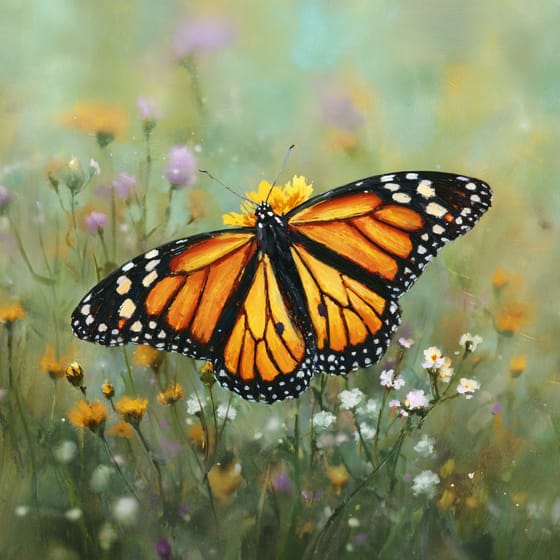
Danaus plexippus
sips nectar from its blossoms
Anas platyrhynchos
uses dense mats for nesting near water
Flowering plants are any plants that produce flowers as part of their reproductive cycle.
Shade tolerant plants are adapted to grow and thrive in areas with low light levels, requiring less direct sunlight.
Rapid growing plants exhibit accelerated growth rates, quickly increasing in size and biomass within a short period.
This habitat trait indicates species that can coexist with humans in urban and suburban environments, utilizing man-made structures and green spaces.
No aliases listed yet.
Danger
1/5 · Very low
Always wash your hands after touching plants and ask an adult if you're not sure about a plant.
The easiest way to identify climbing hempvine is to use the Snappit nature identifier app.
200-600 cm
100-300 cm
0.5-1 cm
Late summer to fall
No
None
Perennial
Zoom in to split clusters and explore where this object has been snapped.

Louisiana, US
You might spot Rough Horsetail, Northern Mockingbird, and Anole.
View guide →

Georgia, US
You might spot Roseate Spoonbill and American Alligator.
View guide →

Connecticut, US
You might spot American Wintergreen and Pink Lady's Slipper.
View guide →

Virginia, US
You might spot Conifers, Virginia Creeper, and Black Walnut.
View guide →
Take the discovery with you
Snap it with Snappit to identify it, learn what makes it special, and add the discovery to your collection.








.jpg&width=800)



_001.jpg&width=800)



