.JPG&width=800)





Common Tachinid
Tachina fera
The Common Tachinid is a friendly fly that helps nature by eating pests. They have fuzzy bodies and can be found buzzing around gardens and fields.
Habitat: Grasslands
The Common Tachinid has a robust, bristly body, often grey or dark with pale stripes on its thorax and a distinct reddish-orange tip on its abdomen. It possesses prominent bristles all over its body, making it look much hairier and spikier than a typical housefly.
Category
InsectsRarity
Common
Danger
1/5 · Very low
Snaps
Be the first to snap!
Many tachinid flies use a special tube called an ovipositor to lay eggs right inside their host!
Some tachinid flies can even drop their eggs on plants, hoping a host will eat them!
Their eggs are tiny, white, and often look like little grains of rice stuck on a host.
There are over 8,200 different kinds of tachinid flies all around the world!
Common Tachinid can lay its eggs directly onto or into other insects, ensuring its young have food.
Common Tachinid has stiff bristles covering its body that might help deter predators or navigate dense foliage.
Common Tachinid has a life cycle that helps control pest populations by parasitizing caterpillars.
Adults sip nectar, but their young are tiny insect warriors that eat other insects from the inside!
Age differences: Adults drink flower nectar, but their larvae live inside and consume caterpillars or other insect larvae.
Lymantria dispar
Their larvae develop inside the moth caterpillars.
Pieris rapae
The fly's larvae feed on the butterfly's caterpillars.
Mamestra brassicae
A known host for the tachinid larvae to grow.
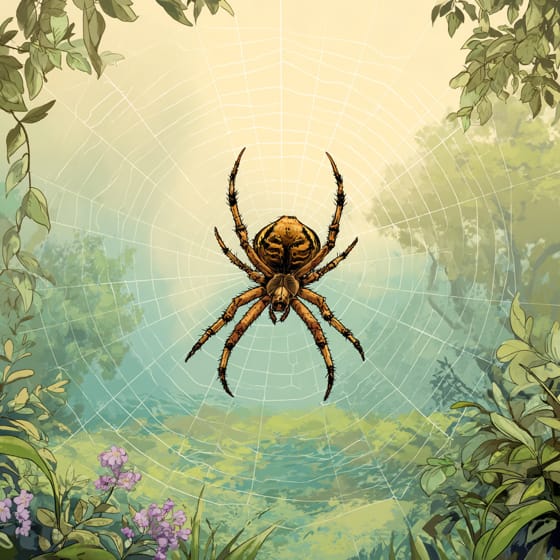
Argiope aurantia
Adult flies can become prey for these orb-weaving spiders.
Furry describes animals possessing a dense covering of soft hair or fur.
Social animals live in organized groups, cooperating for survival benefits such as foraging, defense, and raising offspring.
Grassland habitats are terrestrial biomes dominated by grasses and herbaceous plants, supporting a variety of grazing animals.
This trait identifies organisms whose diet primarily consists of insects and other small invertebrates.

Describes plants that are particularly attractive and beneficial to a wide range of pollinating organisms.

Diurnal animals are primarily active during daylight hours, typically resting or sleeping at night.

Describes a species whose presence and role have a disproportionately large effect on its environment.

Describes organisms that transfer pollen, enabling the fertilization and reproduction of plants.
No aliases listed yet.
Danger
1/5 · Very low
Don't touch flies, but enjoy watching them from a distance!
The easiest way to identify Common Tachinid is to use the Snappit nature identifier app.
12-25 mm
6-13 mm
14-30 days
15 km/h
Adults sip nectar, but their young are tiny insect warriors that eat other insects from the inside!
Grasslands
6
Zoom in to split clusters and explore where this object has been snapped.
Recent snaps will appear here as new observations are added.
Take the discovery with you
Snap it with Snappit to identify it, learn what makes it special, and add the discovery to your collection.






.jpg&width=800)



