Coral Fungi
ramaria
Coral Fungi look like colorful underwater coral but grow on the forest floor! They come in many shapes and colors, making them exciting to find in nature.
Habitat: Moist forest floors, often near decaying wood.
The Coral Fungi has a striking appearance, with upright, intricately branched structures resembling underwater coral or tiny miniature trees. It often comes in vibrant shades of yellow, white, pink, or purple, standing out against the forest floor.
Category
FungiRarity
Common
Danger
2/5 · Low
Snaps
Be the first to snap!
Even though they look like plants, coral fungi are more closely related to animals!
One special kind, Ramaria flava, is collected and eaten as a tasty vegetable!
Some types can grow so fast, they seem to appear overnight after a good rain!
They don't have roots, but instead have an invisible network of threads underground!
Coral Fungi can break down dead wood and leaves because of special enzymes that help them return nutrients to the soil.
Coral Fungi has a unique branching shape that helps it create tiny habitats and shelter for small insects and creatures.
Coral Fungi can launch millions of microscopic spores from its many branch tips, helping new fungi grow far away.
Quercus rubra
Decomposes fallen leaves and wood.
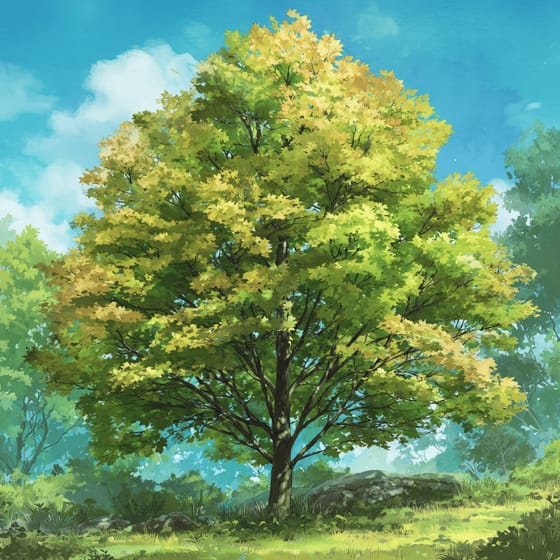
Acer saccharum
Decomposes fallen leaves and wood.
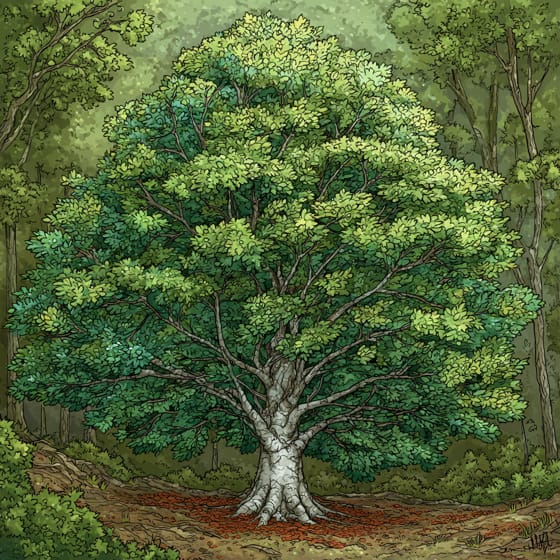
Fagus grandifolia
Decomposes fallen leaves and wood.
Solitary animals live alone for most of their lives, only interacting with others for mating or parental care.
Colorful describes organisms or objects displaying a wide range of bright and distinct colors.
This trait characterizes organisms whose diet consists entirely or primarily of plant material.
Describes organisms that break down dead organic material, recycling nutrients back into the ecosystem.

Forest habitats are terrestrial environments dominated by dense tree cover, supporting a high diversity of plant and animal life.
Danger
2/5 · Low
Do not touch or eat wild fungi unless you're with an adult who knows it's safe.
The easiest way to identify Coral Fungi is to use the Snappit nature identifier app.
5-20 cm
edible
Moist forest floors, often near decaying wood.
soil
Late summer and fall
White
Zoom in to split clusters and explore where this object has been snapped.
Recent snaps will appear here as new observations are added.
Take the discovery with you
Snap it with Snappit to identify it, learn what makes it special, and add the discovery to your collection.