



Corythosaurus
Corythosaurus casuarius
Corythosaurus was a prehistoric dinosaur known for its distinctive features. Scientists study its bones to learn about how dinosaurs lived.
Habitat: Mesozoic forests and floodplains
The Corythosaurus has a distinctive, tall, helmet-like crest on its head, shaped like a Roman helmet. Its body was robust, covered in scales, and likely displayed earthy tones of green, brown, or gray for camouflage.
Category
AncientRarity
Common
Danger
1/5 · Very low
Snaps
Be the first to snap!
Corythosaurus lived alongside fierce predators like T-Rex!
Its amazing crest had a winding air tube inside!
Its babies were tiny, about the size of a chicken when hatched!
Some scientists think it could hold its breath underwater for a long time!
Corythosaurus can make loud booming calls because its hollow head crest amplifies sound, helping them communicate warnings.
Corythosaurus might have used nostrils, located high on its crest, like a snorkel for breathing while feeding in water.
Corythosaurus has strong hind legs that help them run swiftly to escape predators or navigate dense prehistoric forests.
A plant-eater, Corythosaurus munched on leaves and needles from various prehistoric plants.
Tyrannosaurus rex
Large theropod predator.
Daspletosaurus torosus
Another large theropod predator.
Taxodium distichum
Fed on ancient cypress trees.
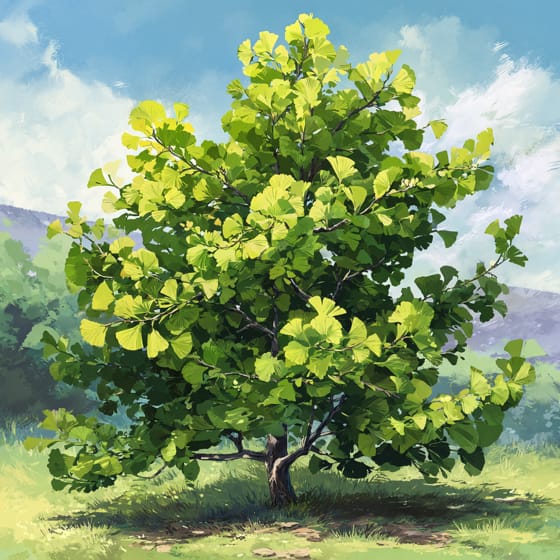
Ginkgo biloba
Consumed leaves of ginkgo trees.
Cycas revoluta
Browser of ancient cycad plants.
Colorful describes organisms or objects displaying a wide range of bright and distinct colors.
Ancient refers to organisms, objects, or geological formations that have existed for an extremely long period.
An artifact is an object made or modified by human culture, typically of historical or archaeological interest.
A fossil is the preserved remains or traces of an ancient organism embedded in rock or other geological deposits.
Danger
1/5 · Very low
While extremely dangerous in their time, this creature is now extinct.
The easiest way to identify Corythosaurus is to use the Snappit nature identifier app.
7-9 m
3000-5000 kg
A plant-eater, Corythosaurus munched on leaves and needles from various prehistoric plants.
Mesozoic forests and floodplains
Grazing
Late Cretaceous
66
Zoom in to split clusters and explore where this object has been snapped.
Recent snaps will appear here as new observations are added.
Take the discovery with you
Snap it with Snappit to identify it, learn what makes it special, and add the discovery to your collection.