





cutleaf water parsnip
Berula erecta
Cutleaf water parsnip is a plant that grows in wet areas like marshes and along rivers. Its leaves are shaped like fingers, making it look very unique and interesting!
Habitat: Wetlands
The cutleaf water parsnip has sturdy, hollow green stems and finely divided, fern-like leaves that are bright green. Its small, white flowers grow in flat-topped clusters, or umbels, atop the stems, making it look like a delicate lace plant in its wet habitat.
Category
PlantsRarity
Common
Danger
1/5 · Very low
Snaps
Be the first to snap!
Animals like muskrats and waterfowl often snack on its leaves and seeds!
Despite its name, it's NOT a parsnip; it's more closely related to parsley!
Its strong roots can help stabilize stream banks, preventing erosion during floods!
Some parts of this plant are even edible for humans, tasting slightly peppery!
Cutleaf water parsnip has strong roots that can anchor it firmly in soft, muddy riverbeds, preventing it from being washed away.
This plant can grow submerged or partly submerged, thanks to special tissues that help it get air when roots are underwater.
Its intricately cut leaves create tiny underwater havens, providing shelter for small aquatic insects and fish from predators.
Anas platyrhynchos
Eats seeds and foliage
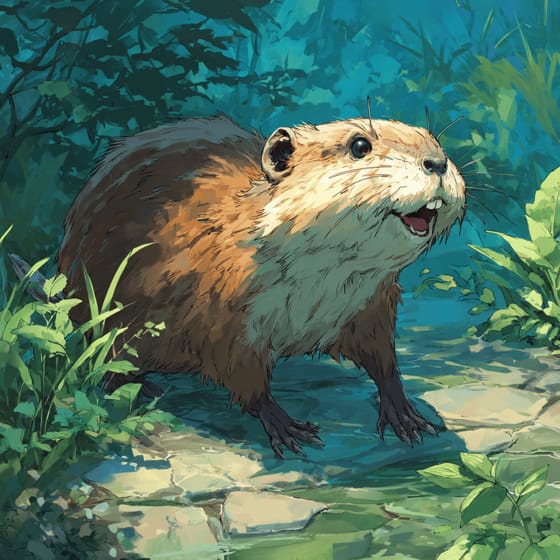
Ondatra zibethicus
Consumes leaves and stems
Eristalis tenax
Visits flowers for nectar
Gasterosteus aculeatus
Hides among underwater stems
Flowering plants are any plants that produce flowers as part of their reproductive cycle.
Grass-like plants are herbaceous plants that visually resemble true grasses, typically having long, narrow leaves.
Summer blooming plants produce their flowers during the summer season, often providing vibrant color when many other plants have finished.
Medicinal plants possess chemical compounds that can be used for therapeutic purposes to treat illnesses or maintain health.

Edible plants are those parts of a plant that are considered safe for human consumption.

Describes plants that are particularly attractive and beneficial to a wide range of pollinating organisms.

This habitat trait identifies species found in wetlands, which are areas of land saturated with water, either permanently or seasonally, including marshes, swamps, and bogs.

Freshwater habitats include non-saline aquatic environments such as rivers, lakes, ponds, and wetlands, vital for numerous species.
No aliases listed yet.
Danger
1/5 · Very low
Always look but don't touch wild plants unless a grown-up says it's safe.
The easiest way to identify cutleaf water parsnip is to use the Snappit nature identifier app.
30-100 cm
20-50 cm
0.1-0.2 cm
Summer
Yes
None
Perennial
Zoom in to split clusters and explore where this object has been snapped.
Recent snaps will appear here as new observations are added.
Take the discovery with you
Snap it with Snappit to identify it, learn what makes it special, and add the discovery to your collection.








.jpg&width=800)



_001.jpg&width=800)



