Dyer'S Polypore
phaeolus schweinitzii
The Dyer's Polypore is a colorful fungus that can make beautiful dyes! It grows on the ground and can be found in forests, delighting curious nature explorers.
Habitat: Forests, often at the base of trees and on fallen logs.
The Dyer'S Polypore is a large, irregularly shaped fungus with a velvety, fuzzy surface. When young, it features bright yellow-orange margins and a brown center, later becoming entirely olive-brown to dark brown. Its bracket-like form makes it stand out against tree bases.
Category
FungiRarity
Common
Danger
0/5 · No known danger
Snaps
Be the first to snap!
It often smells faintly of anise, like licorice, especially when freshly cut!
It's usually found growing at the base or roots of conifer trees.
Older Dyer's Polypores can grow huge, sometimes over 60 centimeters wide!
This fungus causes "brown cubical rot," making tree wood crumble into cubes!
Dyer'S Polypore can create amazing yellow, brown, and green dyes because it contains natural pigments used by artists.
Dyer'S Polypore has strong enzymes that help them break down tough wood, recycling nutrients back into the forest soil.
Dyer'S Polypore can leave a deep reddish-brown stain on the wood it decays because of specific chemicals it produces.
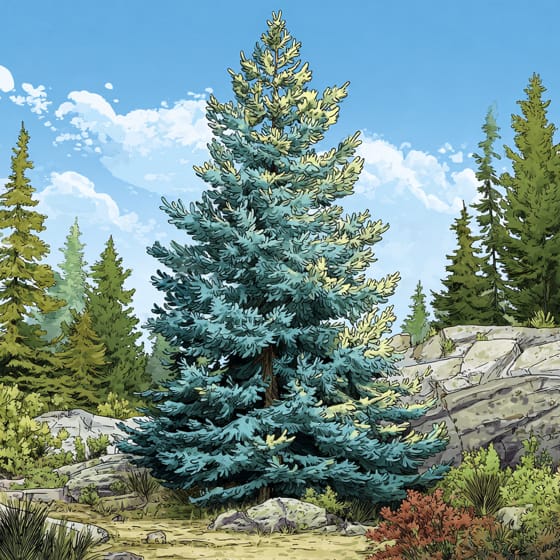
Picea glauca
Causes root rot in this conifer.
Pinus ponderosa
Infects heartwood of older pine trees.
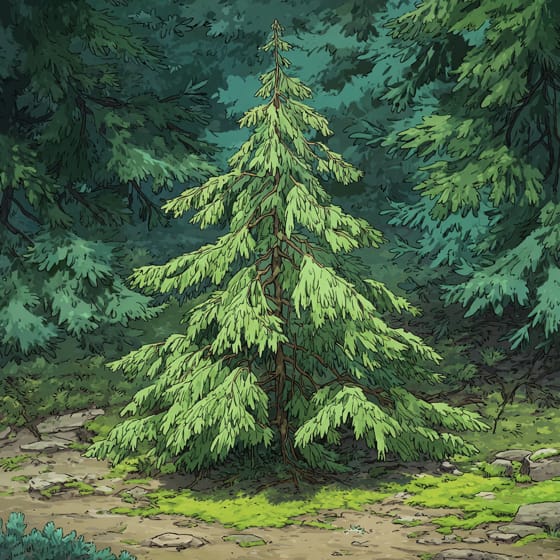
Tsuga canadensis
Can weaken and kill hemlock trees.
Solitary animals live alone for most of their lives, only interacting with others for mating or parental care.
Colorful describes organisms or objects displaying a wide range of bright and distinct colors.
Describes organisms that break down dead organic material, recycling nutrients back into the ecosystem.
Forest habitats are terrestrial environments dominated by dense tree cover, supporting a high diversity of plant and animal life.
Danger
0/5 · No known danger
No special safety notes yet.
The easiest way to identify Dyer'S Polypore is to use the Snappit nature identifier app.
5-20 cm
inedible
10-60 cm
Forests, often at the base of trees and on fallen logs.
wood
Late summer to fall
Olive-brown
Zoom in to split clusters and explore where this object has been snapped.
Recent snaps will appear here as new observations are added.
Take the discovery with you
Snap it with Snappit to identify it, learn what makes it special, and add the discovery to your collection.