





Pipevine Swallowtail
Battus philenor
The Pipevine Swallowtail is a stunning butterfly with iridescent blue wings. It loves to dance around flowers in the garden!
Habitat: Gardens and forests
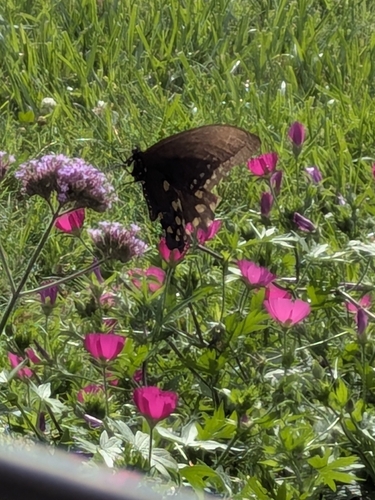
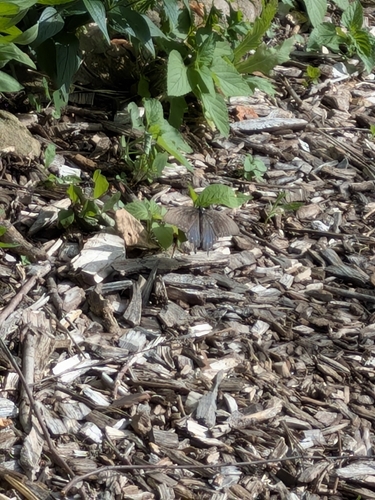
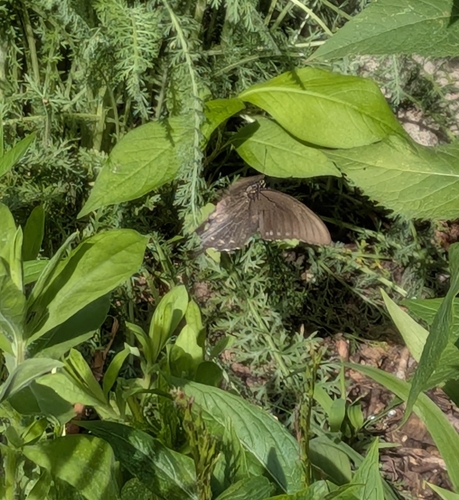
The Pipevine Swallowtail has velvety black wings, often with an iridescent blue-green sheen on the hindwings, especially vibrant in males. Its underwings display a striking row of bright orange spots against a metallic blue band, making it easily distinguishable from other dark butterflies.
Category
InsectsRarity
Common
Danger
2/5 · Low
Snaps
114
It drinks nectar using a long, straw-like 'tongue' called a proboscis, perfect for sipping from deep flowers!
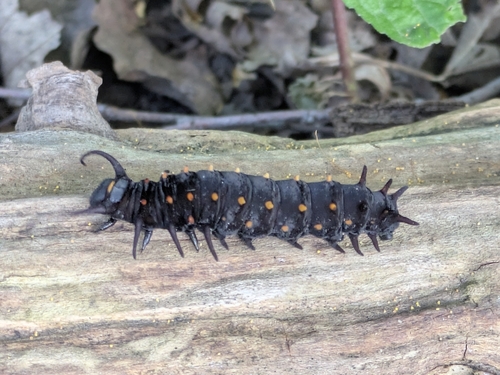
Its spiky, dark red caterpillar looks like a tiny dragon, warning predators of its toxic meal!
The dazzling blue-green shimmer on its wings isn't paint, but tiny scales that reflect light like a prism!
This butterfly actually has a chemical in its body that tastes terrible to birds, making them spit it out!
Pipevine Swallowtail can absorb toxins from pipevine plants because it helps them become poisonous, deterring hungry predators.
Pipevine Swallowtail has a distinctive look that many other harmless butterflies copy, helping those mimics avoid being eaten by predators.
Pipevine Swallowtail can taste with special receptors on its feet, helping it find the perfect nectar flowers or host plants for its eggs.
Caterpillars munch on toxic pipevine leaves, while adults sip nectar from various flowers.
Age differences: Caterpillars consume pipevine leaves, while adult butterflies drink nectar from flowers.
Aristolochia serpentaria
Host plant for caterpillars, providing toxins.
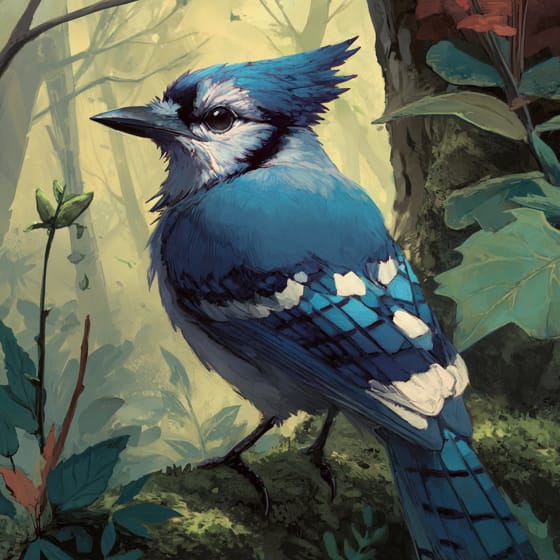
Cyanocitta cristata
Birds learn to avoid after trying to eat.
Phlox paniculata
Adults visit flowers for nectar, aiding pollination.
Wildlife encompasses all undomesticated animal and plant life existing in their natural habitats.
Colorful describes organisms or objects displaying a wide range of bright and distinct colors.
This trait characterizes organisms whose diet consists entirely or primarily of plant material.
Forest habitats are terrestrial environments dominated by dense tree cover, supporting a high diversity of plant and animal life.

Diurnal animals are primarily active during daylight hours, typically resting or sleeping at night.

This trait identifies organisms that exhibit exceptional swiftness in movement for hunting, escape, or travel.

This habitat trait indicates species that can coexist with humans in urban and suburban environments, utilizing man-made structures and green spaces.

Describes organisms that transfer pollen, enabling the fertilization and reproduction of plants.
Danger
2/5 · Low
Do not touch or pick up. Some insects sting or bite. Ask an adult for help.
The easiest way to identify Pipevine Swallowtail is to use the Snappit nature identifier app.
70-130 mm
20-40 mm
10-14 days
20 km/h
Caterpillars munch on toxic pipevine leaves, while adults sip nectar from various flowers.
Gardens and forests
Foraging
Zoom in to split clusters and explore where this object has been snapped.
Jun 16, 2026
Haskell-Baker WetlandsPhoto attribution
(c) Lydia Dexter, some rights reserved (CC BY)
License: CC BY 4.0 ↗
Image may be shown cropped inside the card frame.
Jun 16, 2026
Haskell-Baker WetlandsPhoto attribution
(c) Lydia Dexter, some rights reserved (CC BY)
License: CC BY 4.0 ↗
Image may be shown cropped inside the card frame.
Jun 16, 2026
Haskell-Baker WetlandsPhoto attribution
(c) Lydia Dexter, some rights reserved (CC BY)
License: CC BY 4.0 ↗
Image may be shown cropped inside the card frame.
Jun 16, 2026
Haskell-Baker WetlandsPhoto attribution
(c) Lydia Dexter, some rights reserved (CC BY)
License: CC BY 4.0 ↗
Image may be shown cropped inside the card frame.
May 17, 2026
Norfolk Botanical GardenPhoto attribution
(c) Gold eagle Kroll, some rights reserved (CC BY)
License: CC BY 4.0 ↗
Image may be shown cropped inside the card frame.

California, US
You might spot Monarch, Bee, and Anise Swallowtail.
View guide →

Arizona, US
You might spot Northern Cardinal, Engelmann's Hedgehog Cactus, and Queen.
View guide →

Arkansas, US
You might spot Widow's-Cross, Yucca Giant-Skipper, and Outis Skipper.
View guide →

California, US
You might spot White Globe Lily, Rose Campion, and Pipevine Swallowtail.
View guide →

Florida, US
You might spot Brown Anole, White Ibis, and Anhinga.
View guide →

Kansas, US
You might spot American Robin, Monarch, and Italian Wall Lizard.
View guide →
Take the discovery with you
Snap it with Snappit to identify it, learn what makes it special, and add the discovery to your collection.







.jpg&width=800)


