





Carpenter Bee
Xylocopa virginica
Carpenter Bees are large, shiny bees that drill holes in wood. They are excellent pollinators and love to visit flowers.
Habitat: Wooded areas and gardens
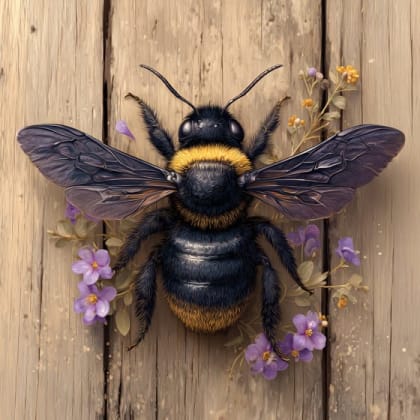
The Carpenter Bee is a large, robust bee, often appearing black or metallic blue-black with a shiny, hairless abdomen. This smooth abdomen helps distinguish it from fuzzy bumblebees. Some species might feature yellow hairs on their thorax.
Category
InsectsRarity
Common
Danger
2/5 · Low
Snaps
3
Did you know male Carpenter Bees don't have a stinger at all? Only females can sting!
Some female Carpenter Bees are 'super moms' that share a nest entrance but have their own separate rooms!
These amazing bees often use the same tunnels year after year, sometimes for generations!
They don't eat wood; they just tunnel through it to make cozy homes for their babies!
Carpenter Bee can bore perfect tunnels into wood because of powerful mandibles that help them create nests for their young.
Carpenter Bee has a fuzzy body that helps them carry pollen, fertilizing many different plants as they feed.
Carpenter Bee can perform buzz pollination to shake pollen free, helping specific flowers release their hidden treasures.
Carpenter bees are busy vegetarians, sipping nectar for energy and collecting pollen for their growing babies.
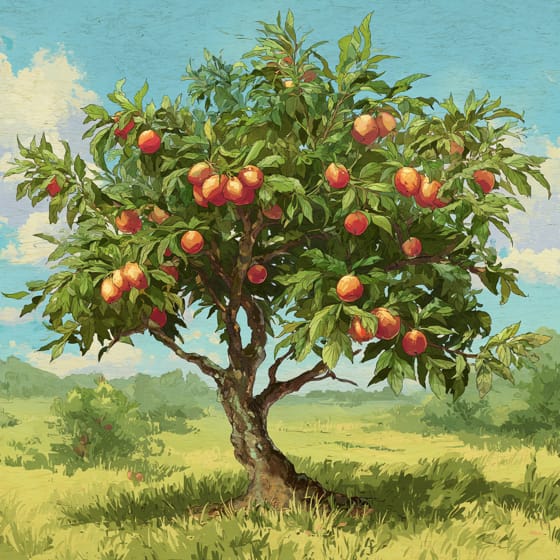
Prunus persica
Helps fertilize flowers for delicious fruit.
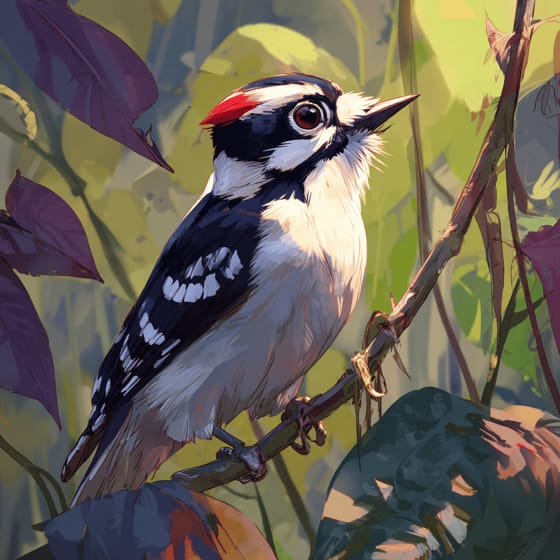
Picoides pubescens
Woodpeckers drill into tunnels to find larvae.
Quercus rubra
Excavates nests in dead wood of oak trees.
Physocephala marginata
Larvae consume carpenter bee larvae in nests.
Wildlife encompasses all undomesticated animal and plant life existing in their natural habitats.
Solitary animals live alone for most of their lives, only interacting with others for mating or parental care.
This trait characterizes organisms whose diet consists entirely or primarily of plant material.
Forest habitats are terrestrial environments dominated by dense tree cover, supporting a high diversity of plant and animal life.

Describes organisms that transfer pollen, enabling the fertilization and reproduction of plants.
Danger
2/5 · Low
Do not touch or pick up. Some insects sting or bite. Ask an adult for help.
The easiest way to identify Carpenter Bee is to use the Snappit nature identifier app.
30-50 mm
15-25 mm
300-365 days
20 km/h
Carpenter bees are busy vegetarians, sipping nectar for energy and collecting pollen for their growing babies.
Wooded areas and gardens
Foraging
Zoom in to split clusters and explore where this object has been snapped.
Take the discovery with you
Snap it with Snappit to identify it, learn what makes it special, and add the discovery to your collection.









.jpg&width=800)



