




Orb-weaver Spider
Araneidae
Orb-weaver Spiders are famous for their beautiful, round webs. They are great at catching insects in their sticky traps.
Habitat: Gardens and forests
The Orb-weaver Spider is known for its often large, rounded abdomen, which can be smooth or spiky and brightly colored with intricate patterns. Many species have hairy legs. They are distinguished by their classic, geometrically perfect spiral webs.
Category
InsectsRarity
Common
Danger
2/5 · Low
Snaps
Be the first to snap!
Many orb-weavers are active at night, spinning a fresh, sticky web daily.
Some gigantic orb-weaver webs can stretch across streams and even small rivers.
Some species decorate their webs with zig-zag silk patterns called stabilimenta.
Their amazing silk is stronger than steel by weight, yet super stretchy!
Orb-weaver Spiders can spin incredibly strong and intricate spiral webs using specialized silk glands that help them efficiently capture flying insects.
Orb-weaver Spiders have tiny, sensitive hairs on their legs and body that help them feel subtle vibrations from trapped prey or approaching dangers.
Orb-weaver Spiders can eat their old or damaged silk webs, reusing the protein to build a fresh, strong web almost every single night.
Orb-weaver Spiders have several types of silk, including very sticky strands that help them snare and hold struggling prey securely in their webs.
These spiders mainly eat insects caught in their amazing sticky webs.
Musca domestica
Traps flies in its sticky web.
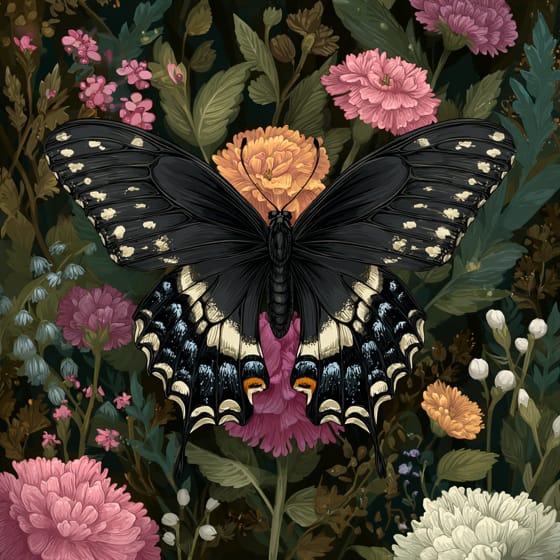
Papilio polyxenes
Catches butterflies and moths that fly into its web.

Vespa crabro
Some hornets can attack and eat spiders.
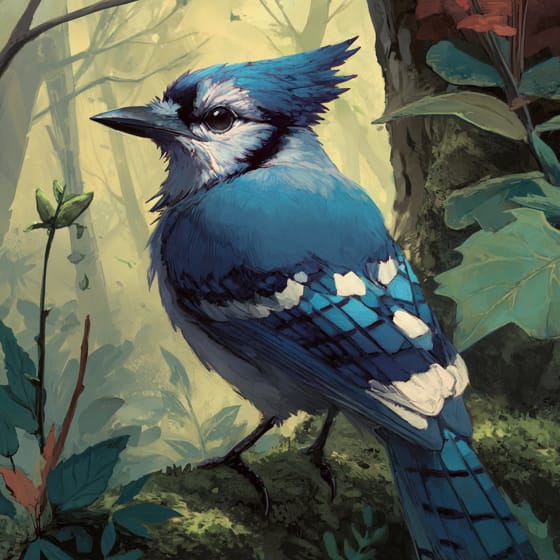
Cyanocitta cristata
Birds frequently feed on spiders and their egg sacs.
Wildlife encompasses all undomesticated animal and plant life existing in their natural habitats.
This trait characterizes organisms that construct elaborate silken webs for catching prey, shelter, or reproduction.
Colorful describes organisms or objects displaying a wide range of bright and distinct colors.
This trait identifies organisms whose diet primarily consists of insects and other small invertebrates.

Forest habitats are terrestrial environments dominated by dense tree cover, supporting a high diversity of plant and animal life.

Nocturnal animals are primarily active during the nighttime hours, typically resting or sleeping during the day.
Danger
2/5 · Low
Do not touch or pick up. Some insects sting or bite. Ask an adult for help.
The easiest way to identify Orb-weaver Spider is to use the Snappit nature identifier app.
3-30 mm
180-365 days
These spiders mainly eat insects caught in their amazing sticky webs.
Gardens and forests
Ambush
8
Zoom in to split clusters and explore where this object has been snapped.
Recent snaps will appear here as new observations are added.
Take the discovery with you
Snap it with Snappit to identify it, learn what makes it special, and add the discovery to your collection.










.jpg&width=800)


