





Eurasian Curlew
Numenius arquata
The Eurasian Curlew is a large, long-legged bird with a beautiful curved beak. They love to roam around wetlands and coastal areas, searching for tasty worms and crustaceans to eat.
Habitat: Coastal areas
The Eurasian Curlew is a large wading bird with mottled brown plumage, a pale belly, and long grey-blue legs. Its most distinctive feature is its incredibly long, slender, downcurved bill, which is perfect for probing deep into mud and soil.
Category
BirdsRarity
Common
Danger
1/5 · Very low
Snaps
Be the first to snap!
Curlew chicks can run and find food by themselves just hours after hatching.
Some curlews travel thousands of kilometers each year, flying between continents!
Their bill can grow up to 20cm long – sometimes longer than a standard pencil!
They make a beautiful, bubbling 'cur-lee' call that gives them their name!
Eurasian Curlews have a super sense of touch in their bill tips that helps them find hidden worms underground.
Eurasian Curlews can use their long, curved bill to probe deeply into mud and soft soil to find food.
Eurasian Curlews have mottled brown plumage that helps them blend perfectly into their grassy and muddy habitats.
Eurasian Curlews use their loud, bubbling 'cur-lee' call to communicate with others and warn of danger.
They use their long, curved bills to probe for insects, worms, and small crustaceans hidden in the mud and soil.
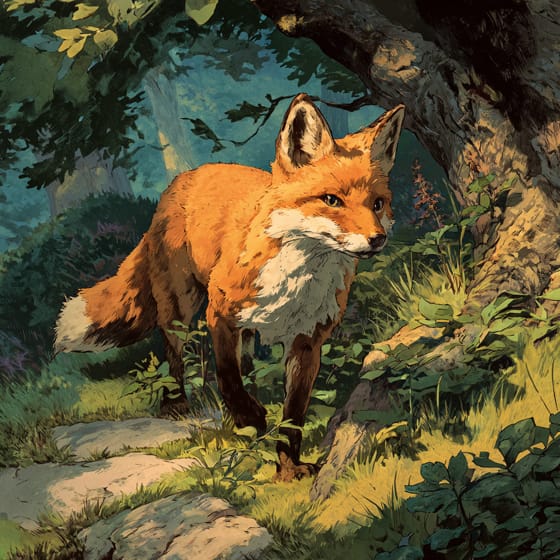
Vulpes vulpes
Preys on eggs and vulnerable young chicks in nests.
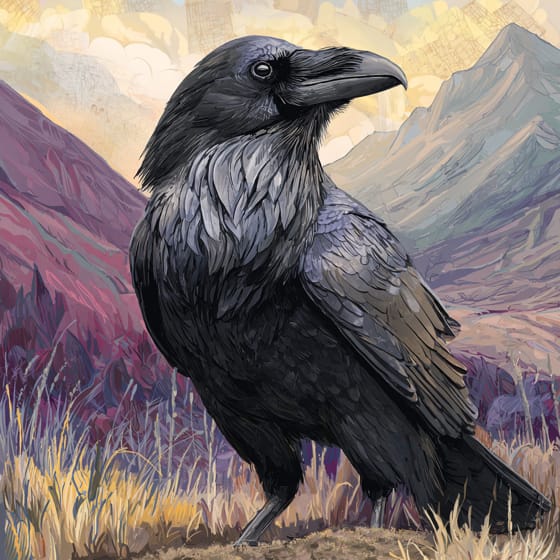
Corvus corax
May take eggs and small chicks from unattended nests.
Nereis virens
Probes for these marine worms in intertidal mudflats.
Carcinus maenas
Crushes and eats small crabs found on the mudflats.
Feathered describes animals, primarily birds, possessing a covering of feathers.
Social animals live in organized groups, cooperating for survival benefits such as foraging, defense, and raising offspring.
Singing animals produce complex vocalizations, often for purposes of attracting mates, defending territory, or communicating within their species.
This habitat trait identifies species found in wetlands, which are areas of land saturated with water, either permanently or seasonally, including marshes, swamps, and bogs.

Coastal habitats are dynamic environments located along the interface between land and sea, influenced by tides, waves, and saltwater.

This trait identifies organisms whose diet consists entirely or primarily of animal tissue.

Diurnal animals are primarily active during daylight hours, typically resting or sleeping at night.

Migratory animals undertake seasonal movements from one region to another, typically in response to changes in climate or food availability.

Endangered status indicates a species is at a very high risk of extinction in the wild in the near future.
No aliases listed yet.
Danger
1/5 · Very low
If you see a bird, watch quietly from a distance so you don't scare it away.
The easiest way to identify Eurasian Curlew is to use the Snappit nature identifier app.
50-60 cm
80-106 cm
0.58-1.3 kg
10-32 years
70 km/h
They use their long, curved bills to probe for insects, worms, and small crustaceans hidden in the mud and soil.
Coastal areas
Zoom in to split clusters and explore where this object has been snapped.
Recent snaps will appear here as new observations are added.
Take the discovery with you
Snap it with Snappit to identify it, learn what makes it special, and add the discovery to your collection.




.jpg&width=800)







