





Little Blue Heron
Egretta caerulea
The Little Blue Heron is a beautiful bird with striking blue feathers. It loves to wade in shallow waters to catch fish and other tasty treats. Watching them hunt is a fun sight!
Habitat: Wetlands
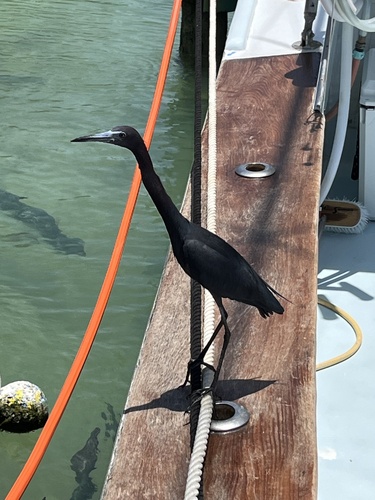
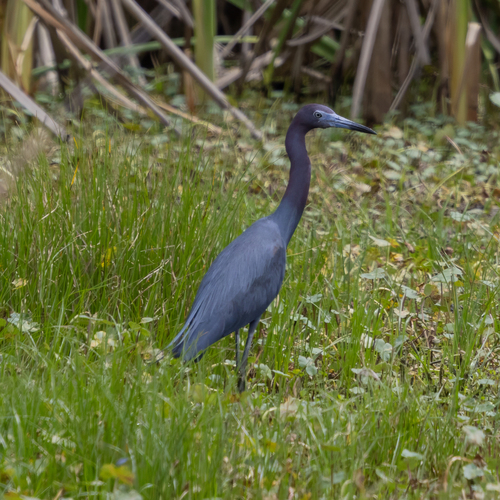
The Little Blue Heron is a medium-sized heron, distinctively recognized by its slate-blue plumage, often with a purplish head and neck. Juveniles are entirely white, providing excellent camouflage before molting into their adult colors. It has dull greenish legs and a bicolored bill with a dark tip.
Category
BirdsRarity
Common
Danger
1/5 · Very low
Snaps
47
Little Blue Herons often nest in big groups with other heron species.
Their calls can sound like a harsh, throaty 'schaaah', quite surprising!
They sometimes hunt at night, using their great night vision!
Watch them fluff their head feathers when they feel excited or threatened!
Little Blue Heron has a unique color transformation, starting white and turning blue, that helps it adapt to different hunting environments as it matures.
Little Blue Heron can slowly stalk its prey and stand perfectly still for long periods, which helps it ambush unsuspecting fish and amphibians.
Little Blue Heron can gently stir the water with its foot, which helps to startle hidden prey and bring them closer for an easy catch.
Little Blue Heron has long legs and toes that help it wade in shallow waters without sinking, reaching prey others cannot.
Little Blue Herons mainly eat small aquatic animals, catching them with their sharp bills!
Age differences: Juveniles may focus on easier-to-catch insects and tadpoles before tackling larger fish.
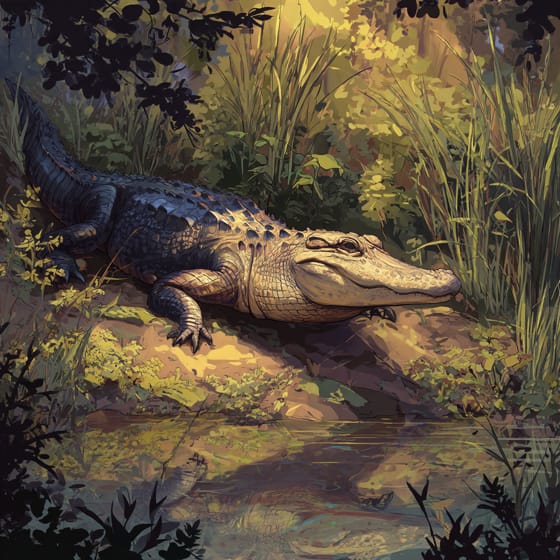
Alligator mississippiensis
Adults can be prey for large alligators.
Gambusia affinis
They are a primary food source in many habitats.
%2C_Vorderansich.jpg&width=800)
Lithobates sphenocephalus
Frogs and their tadpoles are common prey items.

Rhizophora mangle
They often nest and roost among mangrove trees.

Ardea alba
Often nests in mixed colonies, benefiting from shared vigilance.
Feathered describes animals, primarily birds, possessing a covering of feathers.
Solitary animals live alone for most of their lives, only interacting with others for mating or parental care.
Colorful describes organisms or objects displaying a wide range of bright and distinct colors.
Piscivorous organisms are animals that primarily subsist on a diet of fish.

An ambush predator hunts by patiently waiting and concealing itself, then launching a sudden attack when unsuspecting prey comes within range.

This habitat trait identifies species found in wetlands, which are areas of land saturated with water, either permanently or seasonally, including marshes, swamps, and bogs.

Diurnal animals are primarily active during daylight hours, typically resting or sleeping at night.

Describes a species whose presence and role have a disproportionately large effect on its environment.
No aliases listed yet.
Danger
1/5 · Very low
Always watch birds from a distance and never try to touch or catch them.
The easiest way to identify Little Blue Heron is to use the Snappit nature identifier app.
56-76 cm
102-106 cm
0.3-0.4 kg
5-10 years
35 km/h
Little Blue Herons mainly eat small aquatic animals, catching them with their sharp bills!
Wetlands
Zoom in to split clusters and explore where this object has been snapped.
May 29, 2026
Theater of the SeaPhoto attribution
(c) Jeanne Marie, some rights reserved (CC BY)
License: CC BY 4.0 ↗
Image may be shown cropped inside the card frame.
Apr 26, 2026
AfricatownPhoto attribution
(c) Dan Vickers, some rights reserved (CC BY)
License: CC BY 4.0 ↗
Image may be shown cropped inside the card frame.

South Carolina, US
You might spot American Alligator, Anole, and Great Blue Heron.
View guide →

Florida, US
You might spot American Alligator, Brown Anole, and Red-Shouldered Hawk.
View guide →

Rhode Island, US
You might spot White-Tailed Deer, Great Egret, and Duck.
View guide →

Georgia, US
You might spot Baldcypress, Anole, and American Alligator.
View guide →

Rhode Island, US
You might spot White-Tailed Deer and Common Eastern Bumble Bee.
View guide →

Florida, US
You might spot Brown Anole, White Ibis, and Anhinga.
View guide →
Take the discovery with you
Snap it with Snappit to identify it, learn what makes it special, and add the discovery to your collection.




.jpg&width=800)






