





Feverfew
Tanacetum parthenium
Feverfew is a pretty plant with daisy-like flowers. People used to think it could help with fevers, but now we know it's just lovely to look at in gardens.
Habitat: Gardens
The Feverfew is a bushy plant with bright green, deeply lobed leaves. It has numerous small, daisy-like flowers with white ray petals surrounding a sunny yellow disc center, making it look like a miniature daisy bush.
Category
PlantsRarity
Common
Danger
2/5 · Low
Snaps
1
Feverfew belongs to the daisy family, like giant sunflowers and tiny dandelions!
Feverfew's name means 'fever reducer' in Latin, used by ancient people for fevers!
Its tiny seeds are super light, carried far by wind to find new homes!
Special oils in its leaves give Feverfew a strong, unique scent!
Feverfew has strongly aromatic leaves that can deter some grazing animals from eating it.
Its abundant white-and-yellow flowers act like a bright signal, attracting many insects for pollination.
Feverfew produces many tiny, light seeds that are easily spread by wind, helping new plants grow far away.
Apis mellifera
Visits flowers for nectar and pollen.
Vanessa cardui
Feeds on nectar, aiding pollination.
Myzus persicae
Sucks sap from leaves and stems.
Ornamental plants are cultivated primarily for their aesthetic appeal, enhancing landscapes and gardens with their attractive foliage, flowers, or form.
Fragrant flowers emit a pleasant aroma, often to attract pollinators or for defense.
Medicinal plants possess chemical compounds that can be used for therapeutic purposes to treat illnesses or maintain health.
Danger
2/5 · Low
Enjoy feverfew's beauty from a safe distance and don't eat any part of the plant without asking an adult.
The easiest way to identify Feverfew is to use the Snappit nature identifier app.
30-60 cm
30-45 cm
1-2 cm
Summer
Yes
Mild
Perennial
Zoom in to split clusters and explore where this object has been snapped.

Massachusetts, US
You might spot Common Eastern Bumble Bee and Canada Goose.
View guide →

Massachusetts, US
You might spot Painted Turtle, American Pokeweed, and Canada Goose.
View guide →

Massachusetts, US
You might spot Canada Goose, Painted Turtle, and Common Mugwort.
View guide →
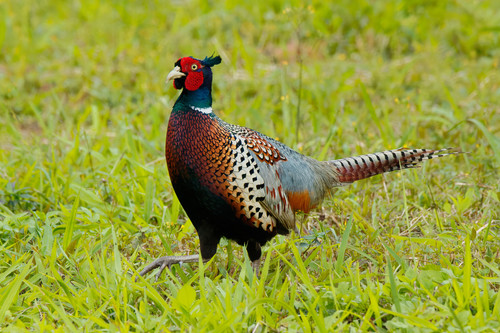
England, UK
You might spot Ring-Necked Pheasant, Goose, and Eurasian Coot.
View guide →
Take the discovery with you
Snap it with Snappit to identify it, learn what makes it special, and add the discovery to your collection.









.jpg&width=800)


_001.jpg&width=800)




