Painted Turtle

Furnace Brook Parkway offers a scenic escape through Quincy, Massachusetts.
Furnace Brook Parkway offers a scenic escape through Quincy, Massachusetts. This historic parkway, maintained by the Massachusetts Department of Conservation and Recreation (DCR), serves as a picturesque connector between the expansive Blue Hills Reservation and the coastal beauty of Quincy Shore Reservation at Quincy Bay. More than just a road, it's a linear park providing a tranquil setting for recreation, following the winding path of Furnace Brook and Blacks Creek, allowing visitors to immerse themselves in natural beauty and rich local history.
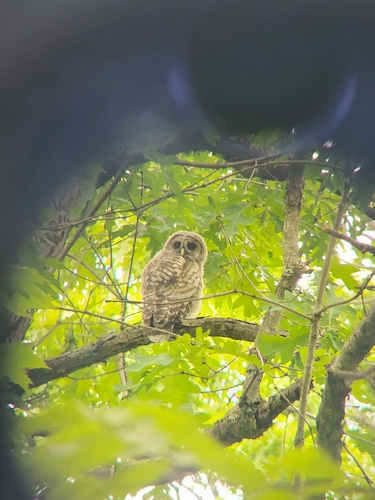
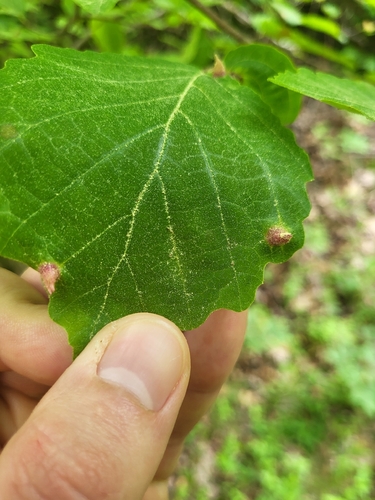
Along its route, the parkway showcases diverse natural habitats, including wooded areas, the flowing Furnace Brook, and the coastal marshlands near Blacks Creek, which eventually leads to Quincy Bay. Visitors can spot common New England wildlife such as various songbirds, squirrels, rabbits, and possibly deer within its green spaces. The waters of Furnace Brook and Blacks Creek are home to turtles and several species of fish, while native plant communities, including diverse trees like oaks and maples, and seasonal wildflowers such as asters and goldenrods, add vibrant color and support local pollinators.
Furnace Brook Parkway is an ideal destination for those seeking a blend of nature, history, and outdoor activity. Whether you're enjoying a leisurely stroll, an invigorating hike, or simply a scenic drive, the parkway provides memorable views and a peaceful ambiance. Its historical significance, combined with its role as a natural corridor connecting major recreational areas, makes it a cherished local gem offering a refreshing retreat from urban life. Turn your visit into a safari! Use the Snappit app to scan and log wildlife sightings here.
Furnace Brook Parkway's origins trace back to the late 19th century when it was conceived as an integral part of the ambitious Metropolitan Park System of Greater Boston. Landscape architect Charles Eliot, a protégé of Frederick Law Olmsted, envisioned an expanded network of parks and waterways, with Furnace Brook Parkway serving as a crucial link between the Blue Hills and Quincy Shore Reservations. Construction of the parkway commenced in 1904 and was completed in 1916. The route was carefully planned to follow the natural course of Furnace Brook, which itself was named in the 1600s for its proximity to the Winthrop Iron Furnace, the first iron blast furnace in what would become the United States. Traveling through lands once owned by the distinguished Adams family, the parkway is dotted with historic sites. Its historical significance and design were formally recognized when it was added to the National Register of Historic Places in 2004.
Walk, hike, jog, or bike along its trails and pathways. Enjoy birdwatching, photography, or simply a scenic drive. Explore the connecting Quincy Shore Reservation for coastal views or the Blue Hills Reservation for more extensive hiking.
Spring: Blooming native wildflowers, active songbirds, and fresh greenery.
Summer: Lush foliage, but can be warm and humid. Good for shaded walks.
Fall: Peak foliage, cooler temperatures, and migratory bird activity.
Winter: Can be cold and snowy; some trails may be less accessible. Opportunities for cross-country skiing in connecting Blue Hills Reservation if snow permits.
Furnace Brook Parkway is easily accessible with multiple parking lots available along its length. While primarily a road, it offers various trails suitable for walking and hiking. Some sections may include paved surfaces or relatively flat terrain. Pedestrian accessibility at certain intersections may have safety concerns, so visitors should be mindful of traffic.
Enjoy the picturesque roadway that meanders along Furnace Brook and Blacks Creek.
Look for informational plaques detailing the parkway's history and its connection to the Adams family and early American industry.
The eastern end of the parkway offers expansive vistas of Quincy Bay and the Boston Harbor Islands.
The parkway provides a gateway to the extensive trail network and natural beauty of the Blue Hills.
Each card links to a full Explore page with photos, traits, and fun facts.
Start with the big picture, then zoom in to explore individual wildlife observations around this place.
Combine your visit
Extend your trip by exploring the connected Blue Hills Reservation for rugged trails or Quincy Shore Reservation for coastal views and beach access.
Visit during off-peak hours
For a more peaceful experience, especially if walking or cycling, consider visiting early mornings or late afternoons.
Wear appropriate footwear
Trails can vary from paved paths to natural terrain; comfortable walking or hiking shoes are recommended.
Bring your camera
The parkway offers numerous photographic opportunities, from scenic landscapes and historical markers to wildlife sightings.
Look for historical markers
Keep an eye out for interpretive signs that provide insights into the parkway's rich history and its connection to prominent figures like the Adams family.
Pack water and snacks
Especially if you plan on longer walks or connecting to the larger reservations.
Jun 6, 2026
Photo attribution
(c) Sean Rigney, some rights reserved (CC BY)
License: CC BY 4.0 ↗
Image may be shown cropped inside the card frame.
Jun 6, 2026
Photo attribution
(c) Sean Rigney, some rights reserved (CC BY)
License: CC BY 4.0 ↗
Image may be shown cropped inside the card frame.
Jun 6, 2026
Jun 6, 2026
Jun 6, 2026

Maryland, US
You might spot White-Tailed Deer and Eastern Gray Squirrel.
View guide →
.jpg)
District of Columbia, US
You might spot Eastern Gray Squirrel, Duck, and House Sparrow.
View guide →

Illinois, US
You might spot American Robin, Canada Goose, and House Sparrow.
View guide →

Virginia, US
You might spot Spotted Lanternfly and Northern Cardinal.
View guide →
Take the discovery with you
Identify the wildlife you spot, learn as you go, and keep a collection of the adventure.