





Florida False Sunflower
phoebanthus grandiflorus
The Florida False Sunflower is a bright and cheerful flower that can bring a smile to anyone's face! Its sunny yellow petals look like a little piece of sunshine in the garden.
Habitat: They thrive in sunny fields, gardens, and along roadsides in Florida.
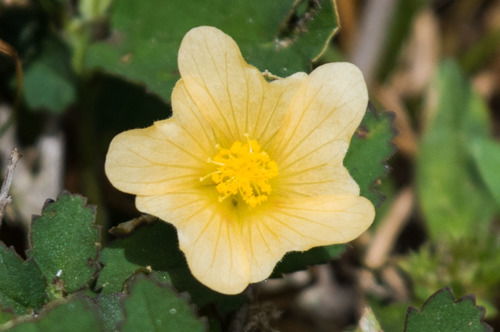
The Florida False Sunflower has vibrant yellow, daisy-like flowers with many thin petals surrounding a darker yellow center. Its rough, hairy stems and leaves, often growing upright, make it visually distinct from true sunflowers, despite its sunny appearance. It forms clumps of bright color.
Category
PlantsRarity
Common
Danger
0/5 · No known danger
Snaps
Be the first to snap!
It loves sandy soil so much, it's often found growing near ancient beach dunes!
Its 'false' name means it's related to, but not a true member of the sunflower family!
The scientific name 'Phoebanthus' cleverly means 'sun flower' in ancient Greek!
This sunny flower grows wild only in Florida, making it a true Sunshine State native!
Florida False Sunflower can thrive in dry, sandy soils that other plants struggle in, thanks to its deep root system.
Its bright yellow petals and abundant nectar act like a flashing sign, attracting many bees and butterflies to help it reproduce.
Florida False Sunflower has underground stems (rhizomes) that help it spread and form new plants, creating large colonies.
Apis mellifera
Gathers nectar and pollen
Bombus pennsylvanicus
Visits flowers for nectar and pollen
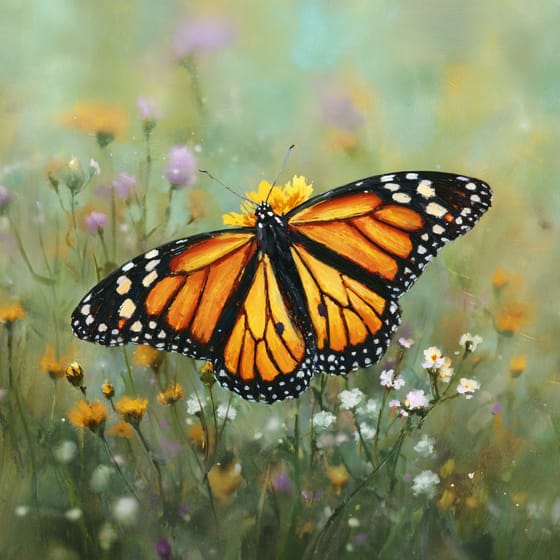
Danaus plexippus
Sips nectar from the flower heads
Colorful describes organisms or objects displaying a wide range of bright and distinct colors.
Grassland habitats are terrestrial biomes dominated by grasses and herbaceous plants, supporting a variety of grazing animals.
This trait characterizes organisms whose diet consists entirely or primarily of plant material.
Diurnal animals are primarily active during daylight hours, typically resting or sleeping at night.

Describes organisms that transfer pollen, enabling the fertilization and reproduction of plants.
Danger
0/5 · No known danger
No special safety notes yet.
The easiest way to identify Florida False Sunflower is to use the Snappit nature identifier app.
30-90 cm
30-60 cm
2.5-5 cm
Fall-winter, occasionally year-round
No
None
Perennial
Zoom in to split clusters and explore where this object has been snapped.
Recent snaps will appear here as new observations are added.
Take the discovery with you
Snap it with Snappit to identify it, learn what makes it special, and add the discovery to your collection.









.jpg&width=800)



_001.jpg&width=800)




