





Black Tupelo
Nyssa sylvatica
The Black Tupelo is a beautiful tree that grows tall and has shiny green leaves. In the fall, its leaves turn bright red and orange, making it look like it's wearing a colorful coat!
Habitat: Forests
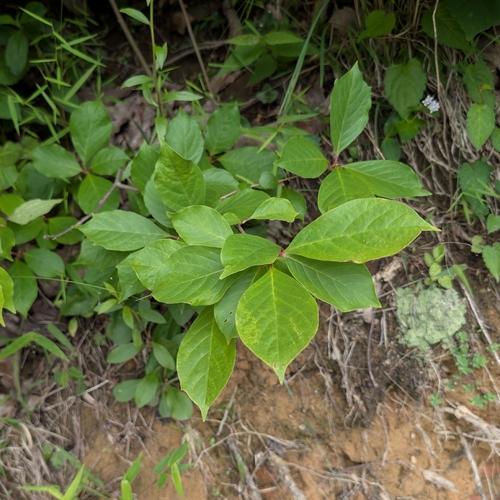
The Black Tupelo is a stately tree with deeply furrowed, dark gray bark that resembles alligator skin on older trees. Its oval leaves turn spectacular shades of fiery red, orange, and purple in autumn, contrasting with its small, blue-black, berry-like fruits.
Category
PlantsRarity
Common
Danger
1/5 · Very low
Snaps
37
Bees love its flowers so much they make a delicious, spicy honey from its nectar!
Its wood is super tough because the grains twist and interlock, making it really hard to split!
Old Black Tupelo trees can grow to be over 100 feet tall, reaching for the sky!
Sometimes it's called the 'Sour Gum' tree because its tart, dark blue fruits look like berries!
Black Tupelo can thrive in soggy soils and even standing water, letting it grow where many other trees cannot survive.
Its leaves turn brilliant shades of red, orange, and purple in autumn, creating one of nature's most stunning displays.
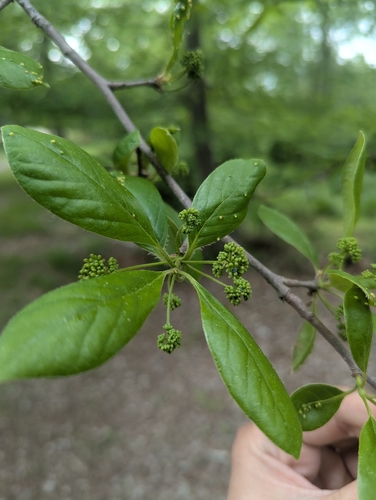
Black Tupelo has tiny flowers that produce lots of nectar, attracting busy bees and other helpful pollinating insects.
Apis mellifera
Collects nectar for honey
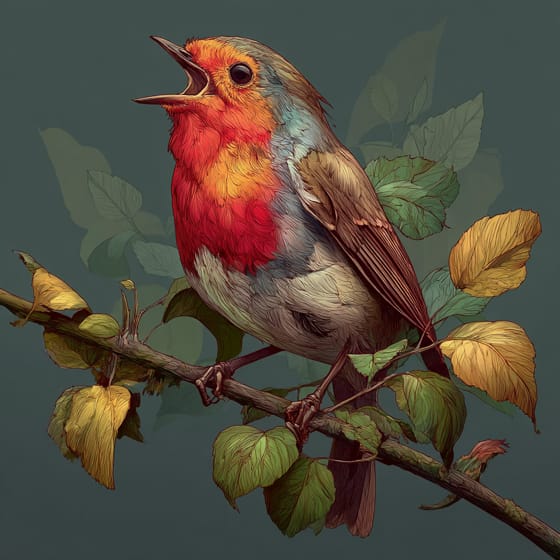
Turdus migratorius
Feasts on its dark blue fruits

Procyon lotor
Enjoys the ripe, tart fruit
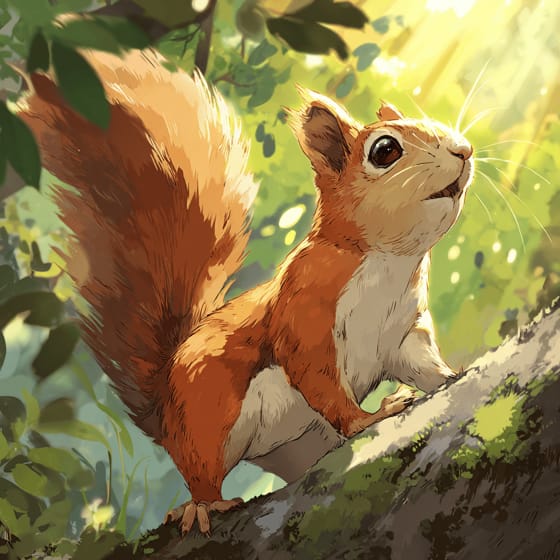
Sciurus carolinensis
Finds homes in its sturdy branches
Deciduous plants periodically shed all their leaves, typically during autumn or dry seasons.
Broadleaf trees are angiosperms characterized by flat, wide leaves that are typically shed annually in temperate climates.
Fruit-bearing plants produce fruits, which are the mature ovaries of flowering plants containing seeds.
A fruit tree is a perennial tree that produces fruit, which is edible to humans or animals.

Colorful describes organisms or objects displaying a wide range of bright and distinct colors.

Fall color refers to the seasonal change in foliage pigmentation, primarily in deciduous plants, displaying vibrant hues.

Timber refers to wood that has been prepared for use in building and carpentry.

Forest habitats are terrestrial environments dominated by dense tree cover, supporting a high diversity of plant and animal life.

This trait characterizes organisms with an exceptionally long lifespan compared to others of their kind.
No aliases listed yet.
Danger
1/5 · Very low
Be careful not to climb too high in trees, and always ask an adult for help.
The easiest way to identify Black Tupelo is to use the Snappit nature identifier app.
1500-3000 cm
900-1500 cm
0.3-0.8 cm
Late spring to early summer
Yes
None
Perennial
Zoom in to split clusters and explore where this object has been snapped.
May 31, 2026
Arrowmont School of Arts and CraftsPhoto attribution
(c) Nick Kleinschmidt, some rights reserved (CC BY)
License: CC BY 4.0 ↗
Image may be shown cropped inside the card frame.
May 28, 2026
Connetquot River State Park PreservePhoto attribution
no rights reserved
License: CC0 1.0 ↗
Image may be shown cropped inside the card frame.

Virginia, US
You might spot Eastern Box Turtle and White-Tailed Deer.
View guide →

Tennessee, US
You might spot Black Bear, Yellow Wakerobin, and Pipevine Swallowtail.
View guide →

Pennsylvania, US
You might spot American Robin, Red-Winged Blackbird, and Lesser Celandine.
View guide →

Pennsylvania, US
You might spot Mountain Laurel, Ghost Pipe, and Sweetfern.
View guide →

New Jersey, US
You might spot Brant, Laughing Gull, and Great Black-Backed Gull.
View guide →

Connecticut, US
You might spot Common Mugwort, Canada Goose, and American Herring Gull.
View guide →
Take the discovery with you
Snap it with Snappit to identify it, learn what makes it special, and add the discovery to your collection.







.jpg&width=800)


_001.jpg&width=800)



