





Forbes' Glory-of-the-snow
Scilla forbesii
Forbes' Glory-of-the-snow is a beautiful flower that blooms in early spring. Its bright blue petals look like little stars shining in the garden, bringing joy to everyone who sees them!
Habitat: Grasslands
The Forbes' Glory-of-the-snow has vibrant, star-shaped flowers, typically in shades of blue or purple, with a distinctive white center. Its narrow, strap-like leaves appear at the base, creating a brilliant carpet of color that stands out against the still-waking landscape.
Category
PlantsRarity
Common
Danger
1/5 · Very low
Snaps
Be the first to snap!
Each tiny bulb can produce multiple flower stems, creating a burst of vibrant color.
Its scientific name, *Scilla*, comes from a Greek word for a squill-like plant!
These resilient plants can form dazzling blue carpets across large garden areas.
They are sometimes called "snow glories" because they can pop up through melting snow!
Forbes' Glory-of-the-snow can flower in very cold weather, taking advantage of sunlight before tree leaves block it.
Forbes' Glory-of-the-snow has an underground bulb that stores energy, allowing it to sprout quickly each spring.
Forbes' Glory-of-the-snow has seeds with a fatty attachment that attracts ants, helping them spread far and wide.
Apis mellifera
Attracts bees for early spring nectar
Bombus terrestris
Provides early season pollen and nectar
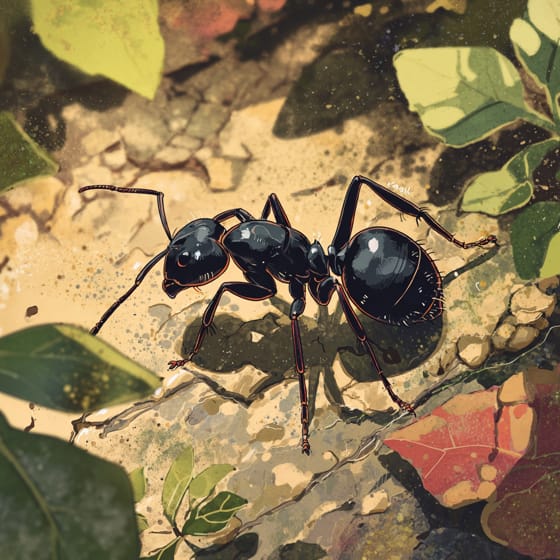
Lasius niger
Disperses seeds for new plant growth
Flowering plants are any plants that produce flowers as part of their reproductive cycle.
Ornamental plants are cultivated primarily for their aesthetic appeal, enhancing landscapes and gardens with their attractive foliage, flowers, or form.
Spring blooming plants produce their flowers during the spring season, often signifying the end of winter and the start of new growth.
Cold hardy plants are able to withstand low temperatures and freezing conditions without significant damage.

Colorful describes organisms or objects displaying a wide range of bright and distinct colors.

Grassland habitats are terrestrial biomes dominated by grasses and herbaceous plants, supporting a variety of grazing animals.

Describes plants that are particularly attractive and beneficial to a wide range of pollinating organisms.
No aliases listed yet.
Danger
1/5 · Very low
Always look but don't touch flowers without asking an adult first.
The easiest way to identify Forbes' Glory-of-the-snow is to use the Snappit nature identifier app.
10-20 cm
5-10 cm
2-3 cm
Early spring
No
Mild
Perennial
Zoom in to split clusters and explore where this object has been snapped.
Recent snaps will appear here as new observations are added.
Take the discovery with you
Snap it with Snappit to identify it, learn what makes it special, and add the discovery to your collection.








.jpg&width=800)



_001.jpg&width=800)




