





Gnathotrichus retusus
Gnathotrichus retusus
The Gnathotrichus retusus is a tiny beetle that loves to live in wood. It has a unique shape and can be found munching on tree bark, helping to break down old wood.
Habitat: Forests
The Gnathotrichus retusus is a small, cylindrical beetle, typically reddish-brown to dark brown or black. It has a rounded rear end and its head is partially hidden by its pronotum, appearing very smooth.
Category
InsectsRarity
Common
Danger
1/5 · Very low
Snaps
Be the first to snap!
Female beetles are the architects, building nurseries for their young.
These tiny beetles carry their own fungus food in special pockets!
They dig intricate tunnels that look like tiny highways inside trees!
They help decompose dead trees, returning nutrients to the forest floor!
Gnathotrichus retusus cultivates special 'ambrosia' fungi inside tree tunnels, which they eat and feed to their young.
Gnathotrichus retusus can bore intricate, branching tunnels deep into the wood of trees to create homes and food farms.
Gnathotrichus retusus can detect chemical signals from stressed or recently cut trees, helping them find new homes.
These beetles and their young eat a special fungus they grow inside tree tunnels.
Age differences: Larvae eat fungus grown by adults, adults also feed on fungus.
Pinus ponderosa
Provides wood for tunnels and fungus farms.
Pseudotsuga menziesii
Offers habitat for beetle colonies and fungus.
Ambrosiella gnathotrichi
The beetle cultivates and eats this specific fungus.
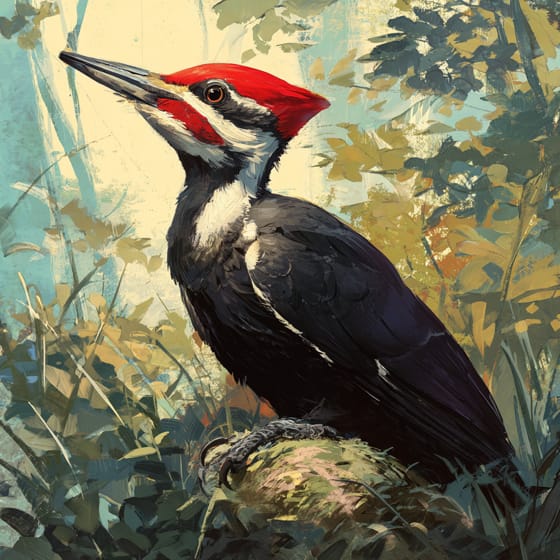
Dryocopus pileatus
Woodpeckers hunt beetles hidden in tree bark.
Solitary animals live alone for most of their lives, only interacting with others for mating or parental care.
Camouflaged describes organisms that possess coloring or patterns that allow them to blend into their environment.
This trait characterizes organisms whose diet consists entirely or primarily of plant material.
Describes organisms that break down dead organic material, recycling nutrients back into the ecosystem.

Forest habitats are terrestrial environments dominated by dense tree cover, supporting a high diversity of plant and animal life.

Describes a species whose presence and role have a disproportionately large effect on its environment.

Pertaining to species that are significantly smaller than typical or average for their kind.
No aliases listed yet.
Danger
1/5 · Very low
These beetles are harmless, but it's best to observe them without touching.
The easiest way to identify Gnathotrichus retusus is to use the Snappit nature identifier app.
2-3.5 mm
30-90 days
These beetles and their young eat a special fungus they grow inside tree tunnels.
Forests
Foraging
6
2-20
Zoom in to split clusters and explore where this object has been snapped.
Recent snaps will appear here as new observations are added.
Take the discovery with you
Snap it with Snappit to identify it, learn what makes it special, and add the discovery to your collection.








.jpg&width=800)


