





Catalpa Sphinx
Ceratomia catalpae
The Catalpa Sphinx is a big, beautiful caterpillar that turns into a moth. It loves to munch on catalpa tree leaves and can be spotted in gardens and parks during summer.
Habitat: Urban areas, Gardens
The Catalpa Sphinx is a medium to large moth, typically gray-brown with dark, wavy lines and a distinct V-shaped mark on its forewings. Its caterpillars are strikingly patterned, ranging from pale green to black, often with yellow or white stripes and a prominent black 'horn' at their rear.
Category
InsectsRarity
Common
Danger
1/5 · Very low
Snaps
3
Catalpa Sphinx caterpillars are super picky eaters; they only eat leaves from catalpa trees!
Despite their spiky tail horn, Catalpa Sphinx caterpillars are completely harmless to touch!
The adult moths are excellent flyers, able to hover in mid-air like tiny helicopters!
These hungry caterpillars can completely strip a whole catalpa tree bare of its leaves!
Catalpa Sphinx caterpillars can rapidly munch through catalpa leaves because of their powerful jaws, helping them grow big quickly.
Adult Catalpa Sphinx moths can fly swiftly and accurately at night, using their large wings to find mates and avoid predators.
The caterpillar has a harmless, spiky "horn" on its tail that helps it look intimidating to potential predators.
Adult moths have mottled grey and brown wings that allow them to perfectly disappear against tree bark during the day.
These insects feast primarily on the leaves of catalpa trees, growing big and strong.
Age differences: Larvae (caterpillars) are voracious leaf-eaters, while adult moths rarely feed, focusing on reproduction.

Catalpa bignonioides
Its caterpillars feed exclusively on its leaves.
Cotesia congregata
Lays eggs inside the caterpillar, eventually killing it.
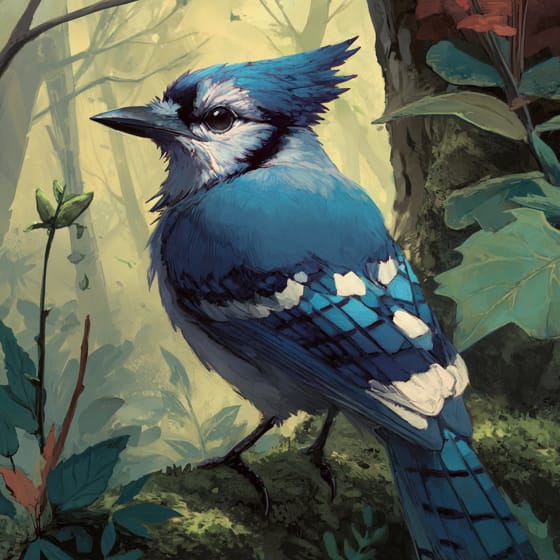
Cyanocitta cristata
Blue Jays frequently prey on the slow-moving caterpillars.
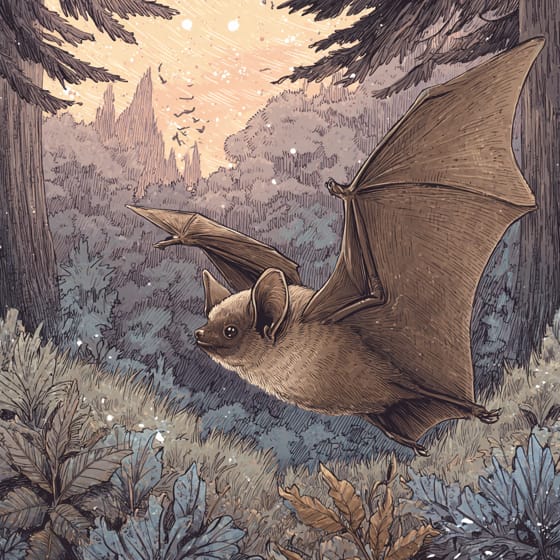
Myotis lucifugus
Adult moths are a food source for bats.
Marked with parallel bands or lines of color.
Colorful describes organisms or objects displaying a wide range of bright and distinct colors.
This trait characterizes organisms whose diet consists entirely or primarily of plant material.
This habitat trait indicates species that can coexist with humans in urban and suburban environments, utilizing man-made structures and green spaces.

Nocturnal animals are primarily active during the nighttime hours, typically resting or sleeping during the day.

Describes organisms that transfer pollen, enabling the fertilization and reproduction of plants.
No aliases listed yet.
Danger
1/5 · Very low
Always look but don't touch caterpillars, as some can be sensitive.
The easiest way to identify Catalpa Sphinx is to use the Snappit nature identifier app.
70-110 mm
30-40 mm
7-10 days
30-45 km/h
These insects feast primarily on the leaves of catalpa trees, growing big and strong.
Urban areas, Gardens
Foraging
Zoom in to split clusters and explore where this object has been snapped.

Georgia, US
You might spot Common Vetch, Tiny Bluet, and Carolina Crane's-Bill.
View guide →

West Virginia, US
You might spot Spotted Lanternfly and Eastern Box Turtle.
View guide →

Indiana, US
You might spot Eastern Newt and Dwarf Larkspur.
View guide →
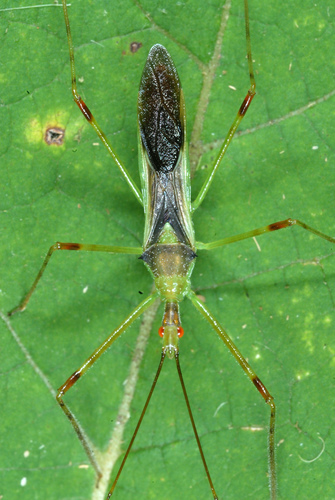
Virginia, US
You might spot Pale Green Assassin Bug and Asian Lady Beetle.
View guide →
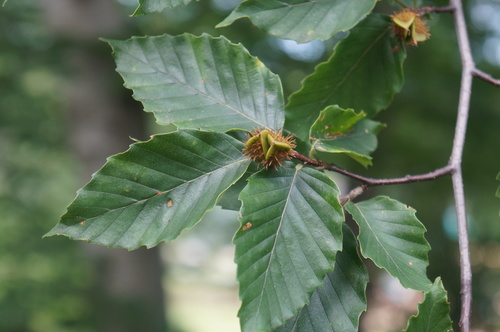
Virginia, US
You might spot American Beech, Strawberry Bush, and American Sweetgum.
View guide →
Take the discovery with you
Snap it with Snappit to identify it, learn what makes it special, and add the discovery to your collection.








.jpg&width=800)



