





Grape Hyacinths
muscari
Grape Hyacinths are beautiful little flowers that look like tiny blue bells! They often bloom in spring and can create a colorful carpet in gardens.
Habitat: Gardens, parks, and grassy areas in temperate regions.
The Grape Hyacinths has vibrant, tiny, urn-shaped flowers tightly packed into a dense cluster, resembling a miniature bunch of grapes. These deep blue to purple blossoms often feature a small white rim at their opening, making them visually distinct in early spring.
Category
PlantsRarity
Common
Danger
0/5 · No known danger
Snaps
Be the first to snap!
Despite their name, Grape Hyacinths are not true hyacinths, nor are they related to actual grapes!
Some Grape Hyacinths can change color as they mature, starting dark blue and fading to a lighter shade!
These tough little plants can often push right through a late snowfall to bloom beautifully in early spring!
They're called "Grape" Hyacinths because their flower clusters look exactly like miniature bunches of grapes!
Grape Hyacinths can bloom very early in spring, taking advantage of sunlight before larger plants leaf out to photosynthesize.
Grape Hyacinths have bulbs underground that store energy, helping them survive winter and sprout quickly.
Grape Hyacinths form dense clumps by producing offset bulbs, which helps them spread and outcompete other plants.
Apis mellifera
Provides early nectar
Bombus lucorum
Collects pollen and nectar
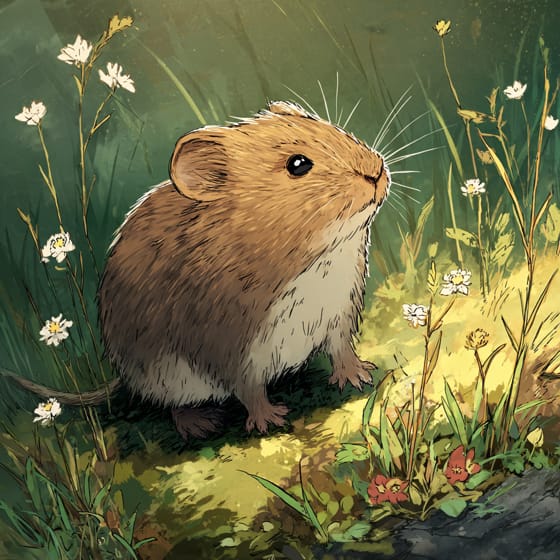
Microtus arvalis
Bulbs are a food source
Colorful describes organisms or objects displaying a wide range of bright and distinct colors.
This trait characterizes organisms whose diet consists entirely or primarily of plant material.
Forest habitats are terrestrial environments dominated by dense tree cover, supporting a high diversity of plant and animal life.
Diurnal animals are primarily active during daylight hours, typically resting or sleeping at night.

Describes organisms that transfer pollen, enabling the fertilization and reproduction of plants.
Danger
0/5 · No known danger
These flowers are safe to touch, but do not eat them.
The easiest way to identify Grape Hyacinths is to use the Snappit nature identifier app.
15-30 cm
5-10 cm
0.5-1 cm
Early spring
No
Mild
Perennial
Zoom in to split clusters and explore where this object has been snapped.
Recent snaps will appear here as new observations are added.
Take the discovery with you
Snap it with Snappit to identify it, learn what makes it special, and add the discovery to your collection.









.jpg&width=800)



_001.jpg&width=800)




