





Myrtle Oak
Quercus myrtifolia
The Myrtle Oak is a special tree that grows in warm places. Its leaves are small and shiny, and it provides homes for many animals. This tree is great for making shady spots to play under!
Habitat: Coastal areas
The Myrtle Oak is a small evergreen tree or shrub with dense, rounded growth. It has small, stiff, oval-shaped leaves that are glossy dark green on top and paler underneath. Its bark is thin, smooth, and grayish-brown, and it produces tiny, dark brown acorns.
Category
PlantsRarity
Common
Danger
1/5 · Very low
Snaps
Be the first to snap!
Hundreds of tiny flowers, called catkins, dance in the wind each spring!
It's a champion at growing in dry, sandy soils where other trees struggle!
Its tiny acorns are a big snack for many Florida animals like squirrels!
Myrtle Oak leaves feel tough, almost like they're made of leather!
Myrtle Oak has small, thick, leathery leaves that help it save water, allowing it to survive in dry, sandy environments.
Myrtle Oak has evergreen leaves, meaning it can photosynthesize and make food all year long, even in winter.
Myrtle Oak has the ability to resprout quickly from its roots after wildfires, helping it thrive in fire-prone areas.
Sciurus carolinensis
consumes acorns
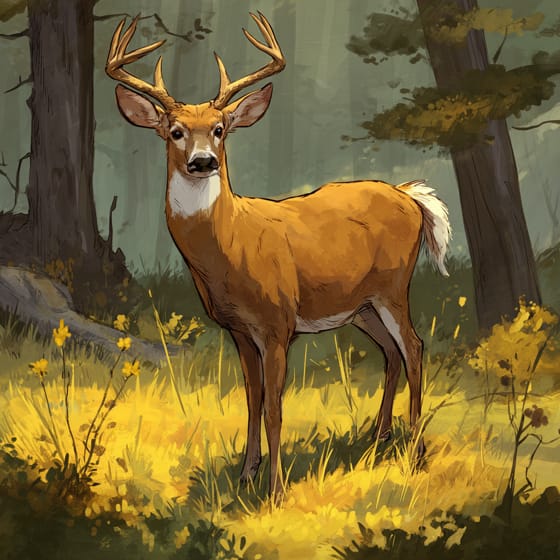
Odocoileus virginianus
browses leaves and twigs
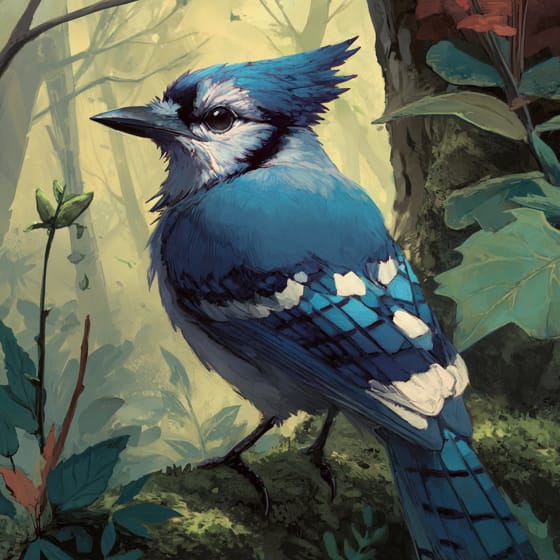
Cyanocitta cristata
forages for acorns

Melanerpes carolinus
stores and eats acorns
Shade tolerant plants are adapted to grow and thrive in areas with low light levels, requiring less direct sunlight.
Broadleaf trees are angiosperms characterized by flat, wide leaves that are typically shed annually in temperate climates.
Evergreen plants retain their foliage throughout the year, never shedding all their leaves at once.
Drought-tolerant plants can survive and flourish in conditions with limited water availability.

Describes plants that are particularly attractive and beneficial to a wide range of pollinating organisms.

This trait characterizes organisms with an exceptionally long lifespan compared to others of their kind.

Coastal habitats are dynamic environments located along the interface between land and sea, influenced by tides, waves, and saltwater.

Describes a species whose presence and role have a disproportionately large effect on its environment.
No aliases listed yet.
Danger
1/5 · Very low
Be careful not to climb too high in trees, and always look out for sharp branches.
The easiest way to identify Myrtle Oak is to use the Snappit nature identifier app.
200-800 cm
150-600 cm
2-5 cm
Spring
No
Mild
Perennial
Zoom in to split clusters and explore where this object has been snapped.
Recent snaps will appear here as new observations are added.
Take the discovery with you
Snap it with Snappit to identify it, learn what makes it special, and add the discovery to your collection.









.jpg&width=800)


_001.jpg&width=800)

