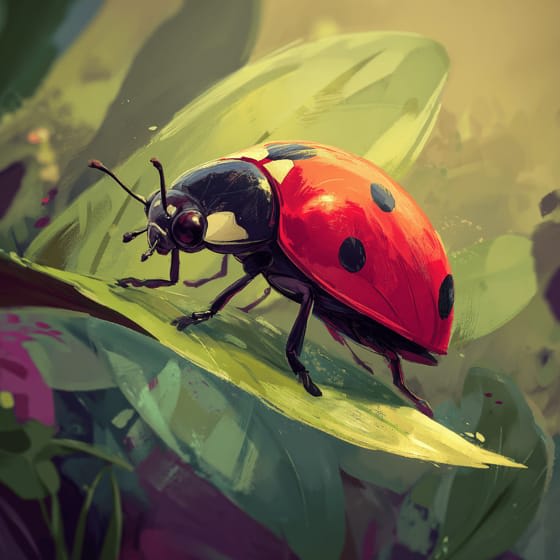





Ladybug
Hippodamia convergens
Ladybugs are small, round insects that are usually red with black spots. They love to eat aphids, which makes them helpful for gardens!
Habitat: Gardens, fields, and forests
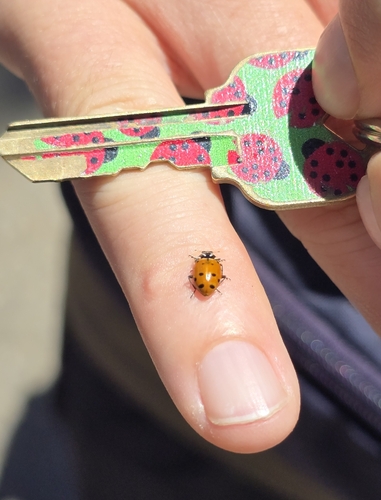
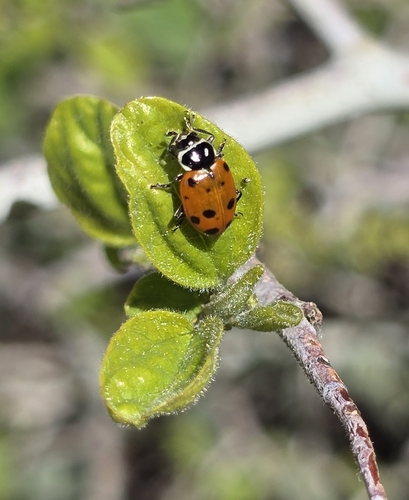
The Ladybug is a small, dome-shaped beetle, typically bright red or orange with distinct black spots. It has short antennae and six tiny legs. Its vibrant colors serve as a warning to predators, making it easily distinguishable from other insects.
Category
InsectsRarity
Common
Danger
2/5 · Low
Snaps
55
A ladybug's spots can actually fade away as it gets older!
Ladybugs aren't actually bugs; they are a type of beetle!
Some ladybugs don't have any spots on their backs at all!
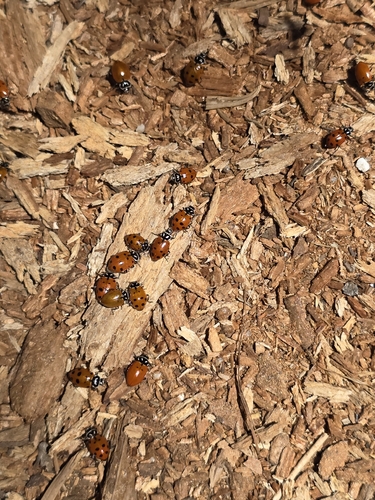
They often gather in huge groups to stay warm in winter hibernation spots.
Ladybug can eat hundreds of aphids because of their insatiable appetite that helps them keep gardens healthy.
Ladybug can ooze a bitter, yellowish fluid from its legs because of special glands that helps them taste bad to predators.
Ladybug can pretend to be dead by retracting its legs and antennae that helps them fool predators into leaving them alone.
Ladybug can fly many miles to gather in warm places because of their strong wings that helps them survive cold winters.
Ladybugs are tiny insectivores that love to munch on soft-bodied garden pests like aphids!
Age differences: Larvae and adults both primarily eat soft-bodied insects like aphids.
Aphis gossypii
a primary food source
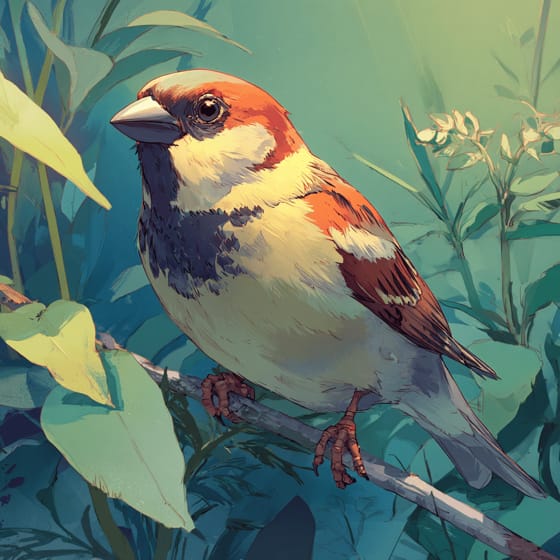
Passer domesticus
a common bird predator
Araneus diadematus
a spider that may prey on them
Dinocampus coccinellae
lays eggs inside the ladybug
Wildlife encompasses all undomesticated animal and plant life existing in their natural habitats.
Colorful describes organisms or objects displaying a wide range of bright and distinct colors.
This trait identifies organisms whose diet primarily consists of insects and other small invertebrates.
Diurnal animals are primarily active during daylight hours, typically resting or sleeping at night.

Describes a species whose presence and role have a disproportionately large effect on its environment.
Danger
2/5 · Low
Do not touch or pick up. Some insects sting or bite. Ask an adult for help.
The easiest way to identify Ladybug is to use the Snappit nature identifier app.
8-21 mm
4-7 mm
30-365 days
5-10 km/h
Ladybugs are tiny insectivores that love to munch on soft-bodied garden pests like aphids!
Gardens, fields, and forests
Foraging
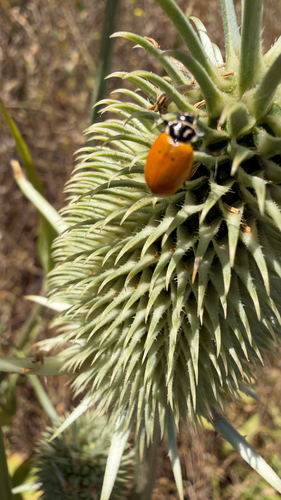
Zoom in to split clusters and explore where this object has been snapped.
Jun 14, 2026
Arastradero PreservePhoto attribution
no rights reserved
License: CC0 1.0 ↗
Image may be shown cropped inside the card frame.
Jun 3, 2026
Generals' Highway Stone BridgesPhoto attribution
(c) Dan Killam, some rights reserved (CC BY)
License: CC BY 4.0 ↗
Image may be shown cropped inside the card frame.
Jun 2, 2026
Generals' Highway Stone BridgesPhoto attribution
(c) Dan Killam, some rights reserved (CC BY)
License: CC BY 4.0 ↗
Image may be shown cropped inside the card frame.
Jun 2, 2026
Generals' Highway Stone BridgesPhoto attribution
(c) Dan Killam, some rights reserved (CC BY)
License: CC BY 4.0 ↗
Image may be shown cropped inside the card frame.
May 25, 2026
Great Sand Dunes National Park and PreservePhoto attribution
(c) Coryn Fox Corvus, some rights reserved (CC BY)
License: CC BY 4.0 ↗
Image may be shown cropped inside the card frame.

California, US
You might spot Acorn Woodpecker and Western Fence Lizard.
View guide →

Texas, US
You might spot Anole, Monarch, and Pinkladies.
View guide →

Utah, US
You might spot Common Golden-Mantled Ground Squirrel and Steller's Jay.
View guide →

Utah, US
You might spot Common Golden-Mantled Ground Squirrel and Steller's Jay.
View guide →

Virginia, US
You might spot Spotted Lanternfly and Northern Cardinal.
View guide →

Arizona, US
You might spot Christmas Cholla and California Barrel Cactus.
View guide →
Take the discovery with you
Snap it with Snappit to identify it, learn what makes it special, and add the discovery to your collection.








.jpg&width=800)


