High Cockscomb
anoplarchus purpurescens
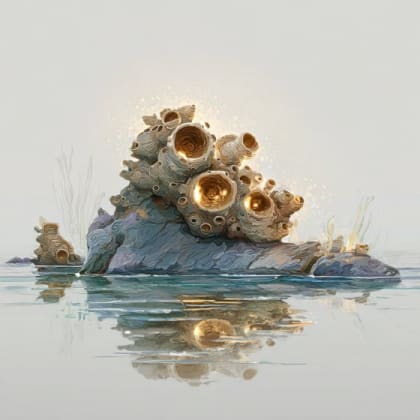
The High Cockscomb is a beautiful and colorful sea creature that lives in coral reefs. Its unique shape and vibrant colors make it a favorite among underwater explorers!
Habitat: Coral reefs in warm ocean waters
The High Cockscomb is a bivalve mollusc with a uniquely ridged and folded shell that often appears purplish-brown. Its outer surface has distinctive, ruffled crests resembling a rooster's comb, making it easily identifiable among other oysters.
Category
InvertebrateRarity
Rare
Danger
1/5 · Very low
Snaps
Be the first to snap!
High Cockscomb oysters help keep ocean water sparkling clean. Wow!
Some High Cockscombs can live for over 30 years! Wow!
Their ruffled shells create mini-habitats for other tiny creatures. Wow!
They attach to surfaces for their entire adult life. Wow!
High Cockscomb can filter many gallons of water daily because they feed by siphoning tiny particles, cleaning their marine environment.
High Cockscomb has a strong 'byssus' (special threads) that helps them firmly attach to rocks and corals, resisting strong currents.
High Cockscomb can grow its shell with intricate layers, allowing them to build unique, complex reef structures over time.
This oyster is a natural filter-feeder, straining tiny food particles from the surrounding water.
Charonia tritonis
This large sea snail preys on oysters.
Octopus vulgaris
Octopuses can skillfully open and eat oysters.
Panulirus ornatus
Lobsters may crush and consume oyster shells.
Pomacentrus coelestis
Its complex shells create hiding spots for small fish.
Solitary animals live alone for most of their lives, only interacting with others for mating or parental care.
Camouflaged describes organisms that possess coloring or patterns that allow them to blend into their environment.
Colorful describes organisms or objects displaying a wide range of bright and distinct colors.
Aquatic habitats encompass environments where organisms live predominantly in water, including oceans, rivers, lakes, and wetlands.

Marine habitats encompass all saltwater environments of the Earth's oceans, supporting an immense diversity of aquatic life.
Danger
1/5 · Very low
No special safety notes yet.
The easiest way to identify High Cockscomb is to use the Snappit nature identifier app.
30 years
This oyster is a natural filter-feeder, straining tiny food particles from the surrounding water.
Coral reefs in warm ocean waters
Filter Feeding
15 m
5 L/h
10 cm
Zoom in to split clusters and explore where this object has been snapped.
Recent snaps will appear here as new observations are added.
Take the discovery with you
Snap it with Snappit to identify it, learn what makes it special, and add the discovery to your collection.