_-_Ficidae_-_Mollusc_shell.jpeg&width=800)





Atlantic Fig Snail
ficus papyratia
The Atlantic Fig Snail has a beautiful, spiraled shell that can be found along coastal areas. These snails love to munch on leaves and fruits, making them fun to spot in nature!
Habitat: Coastal areas, especially in mangroves and on fruiting fig trees.
The Atlantic Fig Snail has a large, thin, and pear-shaped shell with intricate spiraling patterns. Its shell is typically creamy white to light brown, often adorned with darker brown or reddish spots and blotches, resembling a ripe fig, making it uniquely camouflaged.
Category
InvertebrateRarity
Common
Danger
0/5 · No known danger
Snaps
Be the first to snap!
It can grow larger than a human hand!
Their eggs look like tiny strings of pearls!
They use their siphon like a snorkel to breathe!
This snail can change its shell pattern slightly!
Atlantic Fig Snail has a strong, protective shell that helps them hide from predators by pulling completely inside.
Atlantic Fig Snail can glide smoothly over rough surfaces using a strong, slimy foot that helps them stick and move.
Atlantic Fig Snail can quickly burrow into sandy seabeds to escape danger or ambush prey using its powerful foot.
This snail is a super hunter, using its special proboscis to catch yummy clams and other small sea creatures!
Mellita quinquiesperforata
preys on these flat sea creatures
Mercenaria mercenaria
hunts these tasty bivalves
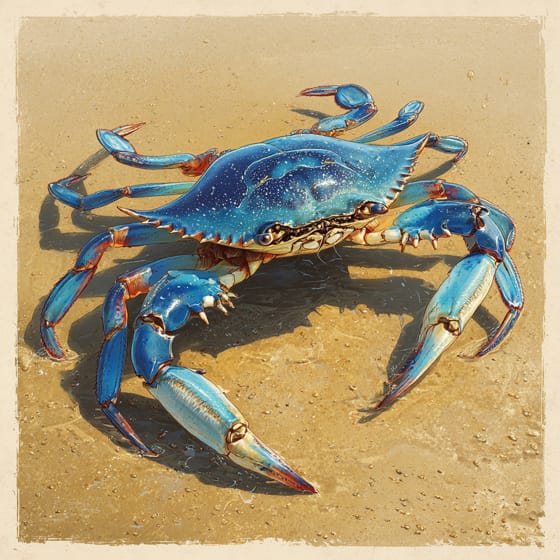
Callinectes sapidus
large crabs might crack its shell
Octopus vulgaris
an intelligent predator that can open shells
Solitary animals live alone for most of their lives, only interacting with others for mating or parental care.
Colorful describes organisms or objects displaying a wide range of bright and distinct colors.
This trait characterizes organisms whose diet consists entirely or primarily of plant material.
Describes organisms that break down dead organic material, recycling nutrients back into the ecosystem.

Coastal habitats are dynamic environments located along the interface between land and sea, influenced by tides, waves, and saltwater.
Danger
0/5 · No known danger
No special safety notes yet.
The easiest way to identify Atlantic Fig Snail is to use the Snappit nature identifier app.
10 cm
80 g
5 years
This snail is a super hunter, using its special proboscis to catch yummy clams and other small sea creatures!
Coastal areas, especially in mangroves and on fruiting fig trees.
Ambush
5 cm/min
Zoom in to split clusters and explore where this object has been snapped.
Recent snaps will appear here as new observations are added.
Take the discovery with you
Snap it with Snappit to identify it, learn what makes it special, and add the discovery to your collection.