





Hornet
Spilomyia
Hornets are larger wasps that build big nests in trees. They can be protective of their homes.
Habitat: Forests and suburban areas
The Hornet is a large, robust insect with a distinctly segmented body, typically marked with bold yellow or orange and black bands. Its head is broad, and it has clear, membranous wings, making it look much chunkier and less hairy than a bee, and often larger than many other common wasps.
Category
InsectsRarity
Common
Danger
4/5 · High
Snaps
Be the first to snap!
Hornet queens start their whole colony by themselves after winter!
Hornet venom has special chemicals to mark enemies for other hornets!
Some hornets are active hunters even at night, using moonlight to see!
Their amazing nests are made entirely from chewed wood pulp, like paper!
Hornet has a potent venomous sting that helps them defend their nest and paralyze prey.
Hornet can chew wood pulp mixed with saliva to build complex, multi-layered paper nests.
Hornet can hunt for insects even at night, using their keen vision to find prey in low light.
Hornet can vibrate their flight muscles to generate heat, helping to keep their nest warm and stable.
Hornets are fierce hunters that eat other insects and enjoy sugary treats like tree sap.
Age differences: Adult hornets consume sugars from sap and fruit, while also hunting insects to feed their growing larvae.
Apis mellifera
Hornet often hunts honeybees near their hives for protein.
Pernis apivorus
Young hornets and nests are a primary food for this bird.
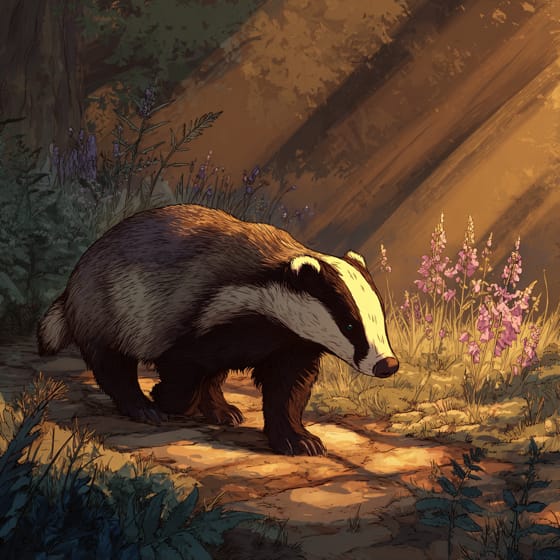
Meles meles
Badgers dig up hornet nests found in the ground to eat the larvae.
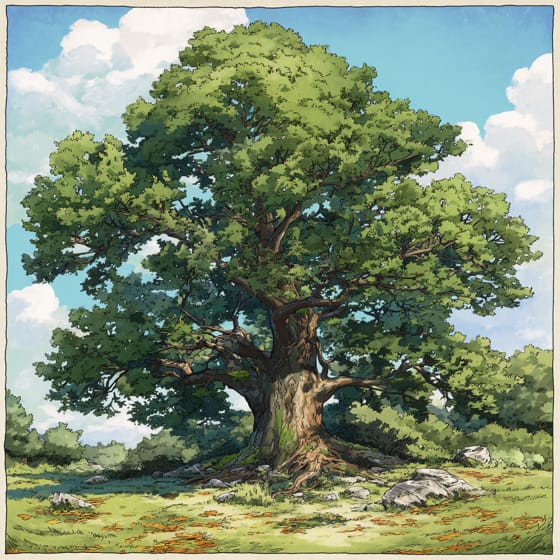
Quercus robur
Hornets often collect sap from oak trees for their own energy.
Wildlife encompasses all undomesticated animal and plant life existing in their natural habitats.
Solitary animals live alone for most of their lives, only interacting with others for mating or parental care.
This trait characterizes organisms whose diet consists entirely or primarily of plant material.
Forest habitats are terrestrial environments dominated by dense tree cover, supporting a high diversity of plant and animal life.

This trait identifies organisms whose diet consists entirely or primarily of animal tissue.

Venomous organisms produce toxins that are injected into another animal, typically through a bite or sting.
Danger
4/5 · High
Do not touch or pick up. Some insects sting or bite. Ask an adult for help.
The easiest way to identify Hornet is to use the Snappit nature identifier app.
30-55 mm
18-35 mm
15-60 days
25 km/h
Hornets are fierce hunters that eat other insects and enjoy sugary treats like tree sap.
Forests and suburban areas
Pursuit
Zoom in to split clusters and explore where this object has been snapped.
Recent snaps will appear here as new observations are added.
Take the discovery with you
Snap it with Snappit to identify it, learn what makes it special, and add the discovery to your collection.








.jpg&width=800)



