Eastern Gray Squirrel
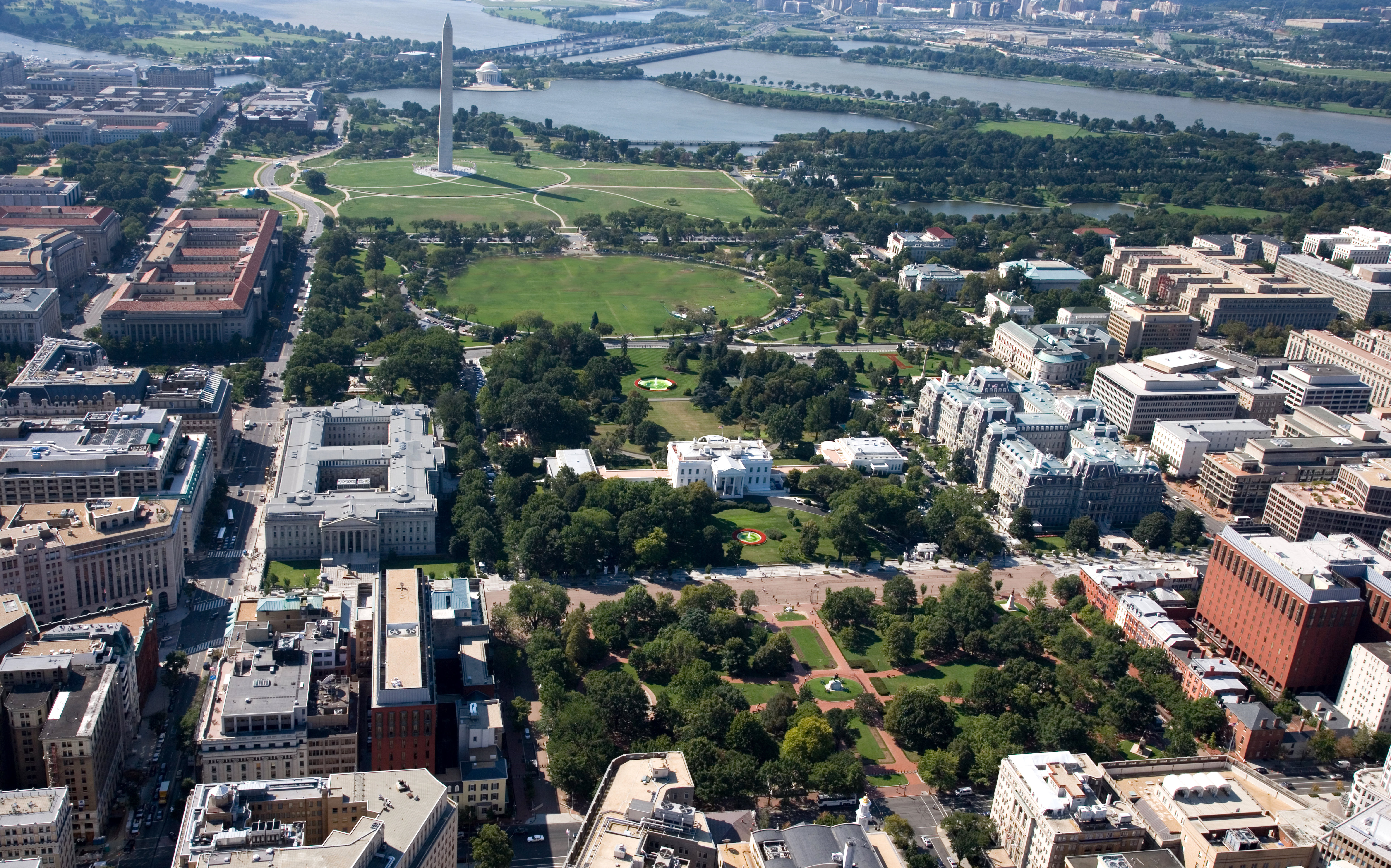
Lafayette Square, a historic 7-acre urban park, offers a captivating blend of natural beauty and profound American history, situated directly north of the iconic White House.
Lafayette Square, a historic 7-acre urban park, offers a captivating blend of natural beauty and profound American history, situated directly north of the iconic White House. More than just a green space, it's a vibrant public square that has served as a silent witness and active participant in countless pivotal moments of the nation's past, making it a truly unique and family-friendly destination in the heart of Washington, D.C. Its serene oasis provides a stunning backdrop for both quiet reflection and dynamic observation, drawing visitors from around the globe.
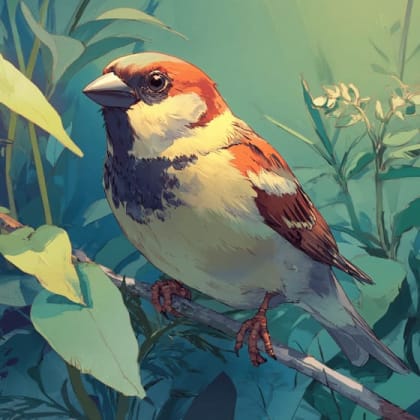
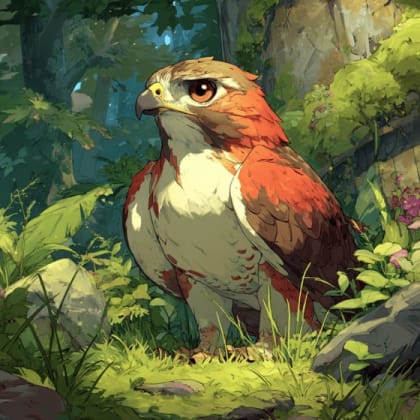
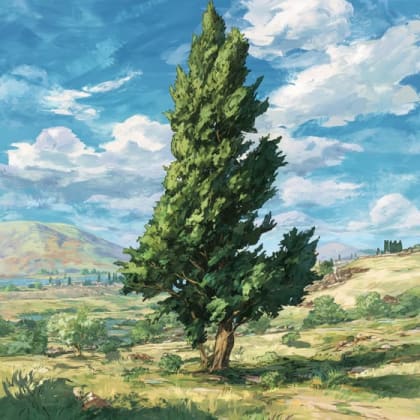
Within this historically rich landscape, visitors can explore picturesque walkways that lead to impressive statues of Revolutionary War heroes, including the central equestrian monument to Andrew Jackson and the Marquis de Lafayette himself. The park's varied flora, such as mature oaks and baldcypress trees, alongside the common dandelion and common grape hyacinth, provides a surprising habitat for urban wildlife. Keep an eye out for easily spotted residents like the Eastern Gray Squirrel, American Robin, Northern Cardinal, and Blue Jay, all frequent visitors to this verdant square. Birdwatchers might also catch glimpses of the ubiquitous Rock Pigeon, House Sparrow, and European Starling, or even a majestic Red-tailed Hawk soaring overhead.
Lafayette Square is worth visiting for its unparalleled direct views of the White House, offering an iconic photo opportunity and a tangible connection to the center of American governance. It serves as a living museum, where history unfolds through its monuments and its ongoing role as a gathering place for public discourse and peaceful demonstrations. The opportunity to observe diverse urban wildlife amidst such significant historical architecture creates a memorable experience, blending civic engagement with the simple pleasures of nature. Turn your visit into a safari! Use the Snappit app to scan and log wildlife sightings here.
Lafayette Square's history is as rich and complex as the nation it borders. Originally part of Pierre L'Enfant's plan for the pleasure grounds surrounding the Executive Mansion, the land was known as "President's Park." However, President Thomas Jefferson decided in 1804 to separate this area from the White House grounds by cutting Pennsylvania Avenue through it, making it a distinct public space. Before its formal establishment as a park, this versatile plot served various purposes, including a racetrack, a graveyard, a zoo, a slave market, and an encampment for soldiers during the War of 1812. The park officially received its current name in 1824, honoring the French General Marquis de Lafayette, whose contributions were crucial to American Revolutionary War victory. In the mid-19th century, influential landscape architect Andrew Jackson Downing redesigned the park in a picturesque style, featuring the intersection of oval walkways that remain today. Designated a National Historic Landmark District in 1970, Lafayette Square has consistently been a site of national symbolic importance, hosting numerous public demonstrations and protests, ranging from early LGBTQ+ activism to modern civil rights movements.
Enjoy the iconic views, take photographs, learn about American history through the statues and interpretive signs, observe urban wildlife like Eastern Gray Squirrels and various bird species, and perhaps witness peaceful demonstrations that reflect the park's ongoing role in public discourse.
Spring: Blooming trees and flowers create a vibrant setting.
Summer: Can be hot and humid with larger crowds, but the park remains accessible.
Autumn: Cooler temperatures and striking fall foliage enhance the historical architecture.
Winter: A quieter experience, often with bare trees, but still offering clear views of the White House.
Lafayette Square features paved pathways throughout, making it accessible for visitors with mobility challenges. Ramp access is available at its 16th Street entrances. Accessible restrooms and wheelchairs are available free of charge at the nearby Ellipse Visitor Center.
Direct, unobstructed views of the White House North Portico.
The central equestrian statue of Andrew Jackson.
Marquis de Lafayette, Major General Comte Jean de Rochambeau, Brigadier General Tadeusz Kosciuszko, and Major General Friedrich Wilhelm von Steuben.
Surrounding historic buildings, including St. John's Episcopal Church ("Church of the Presidents") and Decatur House.
Each card links to a full Explore page with photos, traits, and fun facts.
Start with the big picture, then zoom in to explore individual wildlife observations around this place.
Arrive Early
Visit in the early morning to enjoy fewer crowds and optimal lighting for photography, especially of the White House and park monuments.
Wear Comfortable Shoes
You'll likely want to walk around the entire perimeter of the park and potentially explore nearby President's Park, so comfortable footwear is essential.
Be Prepared for Security
As Lafayette Square is directly opposite the White House, expect Secret Service presence and potential security checkpoints. It's advisable to carry only essential items.
Check for Events
Before your visit, check the National Park Service website for any scheduled events, protests, or temporary closures, as presidential movements can also temporarily restrict access.
Bring Binoculars
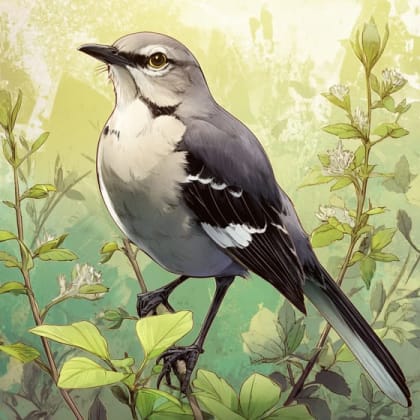
While common urban species are easily seen, binoculars can enhance your birdwatching experience, helping you spot Northern Mockingbirds, Gray Catbirds, or even a Great Crested Flycatcher.
Combine Your Visit
Lafayette Square is perfectly situated for combining with other nearby attractions, such as St. John's Church, the Decatur House, or a self-guided walking tour of the surrounding historic buildings.
Mar 2, 2026
Mar 1, 2026
Mar 1, 2026
Mar 1, 2026
Mar 1, 2026

Maryland, US
You might spot White-Tailed Deer and Eastern Gray Squirrel.
View guide →
.jpg)
District of Columbia, US
You might spot Eastern Gray Squirrel, Duck, and House Sparrow.
View guide →

Illinois, US
You might spot American Robin, Canada Goose, and House Sparrow.
View guide →

Virginia, US
You might spot Spotted Lanternfly and Northern Cardinal.
View guide →
Take the discovery with you
Identify the wildlife you spot, learn as you go, and keep a collection of the adventure.