Holly
Nestled in the heart of Virginia, Tattersall Park offers a serene escape into a world teeming with natural beauty and diverse wildlife.
Nestled in the heart of Virginia, Tattersall Park offers a serene escape into a world teeming with natural beauty and diverse wildlife. This lush park is a delight for families and nature enthusiasts alike, presenting a pristine landscape of mature woodlands, tranquil clearings, and vibrant undergrowth. Visitors can immerse themselves in the quiet solitude of the forest, observing the subtle dance of nature unfold around them in this truly wild wildlife-friendly haven.
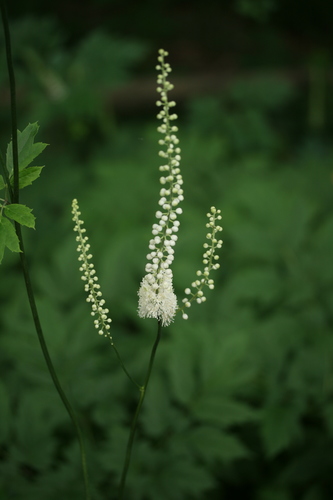
Tattersall Park is characterized by its rich botanical tapestry, boasting a variety of plant life that changes with the seasons. Spring visitors are treated to a spectacular display of wildflowers such as the delicate black cohosh, the early-blooming rue anemone, and the striking Jack-in-the-Pulpit, alongside the distinctive Eastern Skunk Cabbage. The woodlands provide ideal habitats for a wide array of fauna, including the gentle White-tailed Deer, the elusive Red Fox, and a chorus of birds like the Carolina Chickadee and Blue-gray Gnatcatcher, making every visit a unique encounter with Virginia's natural heritage.
This enchanting park is worth visiting for its unparalleled opportunity to reconnect with the natural world. Whether you're seeking peaceful contemplation among ancient trees, an invigorating hike through varied terrain, or the thrill of spotting a Pickerel Frog or a Common Raccoon, Tattersall Park promises memorable moments. Its commitment to preserving its ecological integrity ensures that each visit leaves a lasting impression of Virginia's wild beauty, inviting you to return and explore its many facets throughout the year. Unlock an interactive field guide for this spot: get the Snappit app to identify nature on the go.
Specific historical information regarding the founding or background of Tattersall Park is not readily available through general public records or historical databases. Many natural areas in Virginia, especially smaller or locally managed parks, may have histories tied to private land donations or community initiatives that are not widely documented. The state of Virginia has a rich history of establishing and protecting natural areas, with its first state parks opening in 1936 to preserve significant natural resources and provide recreational opportunities. While Tattersall Park's specific origins remain unpublicized, it contributes to this broader legacy of conservation.
Hiking: Explore the network of trails winding through diverse habitats.
Wildlife Observation: Look for White-tailed Deer, Red Fox, Common Raccoon, and various birds like the Carolina Wren and Red-shouldered Hawk.
Birdwatching: A prime location for spotting Carolina Chickadees, Blue-gray Gnatcatchers, and others.
Nature Photography: Capture the beauty of wildflowers, fungi, and wildlife.
Plant Identification: Discover unique local flora including wavyleaf basketgrass, bloodroot, and American holly.
Spring: Wildflowers in full bloom, migratory birds arriving, amphibians (American Toad, Pickerel Frog) emerging. Temperatures are generally mild.
Summer: Lush greenery, warmer temperatures, active insects (Common Eastern Bumble Bee, Variable Dancer), and reptiles (Common Garter Snake, DeKay's Brownsnake). Insect repellent is advisable.
Fall: Vibrant leaf colors, cooler weather, increased activity of mammals, and potential for hawk migrations.
Winter: Tranquil and less crowded. Excellent for spotting mammals due to reduced foliage. Trails may be slippery or closed if there's snow or ice.
As specific information for Tattersall Park is unavailable, general accessibility in Virginia State Parks often includes efforts to make facilities accessible for individuals with limited mobility. Some state parks feature all-terrain wheelchairs and trails suitable for manual and power wheelchairs, though terrain can be a limiting factor. Visitors with specific accessibility needs are advised to contact local Virginia park services for detailed information on accessible trails and amenities that may be available in similar park settings.
The varied woodland and open clearings providing diverse habitats for species like the American Toad, Common Raccoon, and numerous bird species. Keep an eye out for interesting fungi such as Common Coral Slime and Chlorosplenium chlora.
Each card links to a full Explore page with photos, traits, and fun facts.
Start with the big picture, then zoom in to explore individual wildlife observations around this place.
Wear appropriate footwear
Trails can vary, so comfortable hiking shoes are recommended, especially for longer walks.
Bring binoculars
Essential for birdwatching and spotting distant wildlife.
Carry water and snacks
Stay hydrated, especially during warmer months.
Practice Leave No Trace principles
Pack out everything you pack in to keep the park pristine.
Visit during different seasons
Each season offers a unique perspective on the park's flora and fauna, from spring wildflowers to fall foliage.
Stay on marked trails
This protects the delicate ecosystems and ensures your safety.
Jan 24, 2026
Jan 22, 2026
Jan 22, 2026
Jan 21, 2026
Jan 21, 2026

Maryland, US
You might spot White-Tailed Deer and Eastern Gray Squirrel.
View guide →
.jpg)
District of Columbia, US
You might spot Eastern Gray Squirrel, Duck, and House Sparrow.
View guide →

Illinois, US
You might spot American Robin, Canada Goose, and House Sparrow.
View guide →

Virginia, US
You might spot Spotted Lanternfly and Northern Cardinal.
View guide →
Take the discovery with you
Identify the wildlife you spot, learn as you go, and keep a collection of the adventure.