





Japanese spindle tree
Euonymus japonicus
The Japanese spindle tree is a lovely shrub with shiny green leaves. It can grow tall and is often used in gardens to make them look beautiful and full of life.
Habitat: Urban areas
The Japanese spindle tree has very glossy, dark green oval leaves that often remain on the plant all year, giving it a vibrant appearance. It produces small, inconspicuous green-white flowers, followed by striking pink capsules that split open to reveal bright orange seeds.
Category
PlantsRarity
Common
Danger
2/5 · Low
Snaps
1
It is often used to create dense, evergreen hedges in gardens.
Its fruit pods dramatically split open to reveal vibrant orange seeds inside!
The plant's incredibly hard wood was once used to make skewers and small tools.
This adaptable plant can grow well even in windy spots near the ocean.
The Japanese spindle tree has thick, shiny leaves that stay green even in winter, helping it make food and grow when other plants are bare.
Japanese spindle tree can grow in many tough places, like salty coastal areas or poor soils, helping it survive where other plants can't.
The bright pink berries contain harmful compounds that warn animals not to eat them, protecting its precious seeds from being eaten.
Apis mellifera
collecting nectar and pollen
Phalera bucephala
caterpillars munch on its leaves
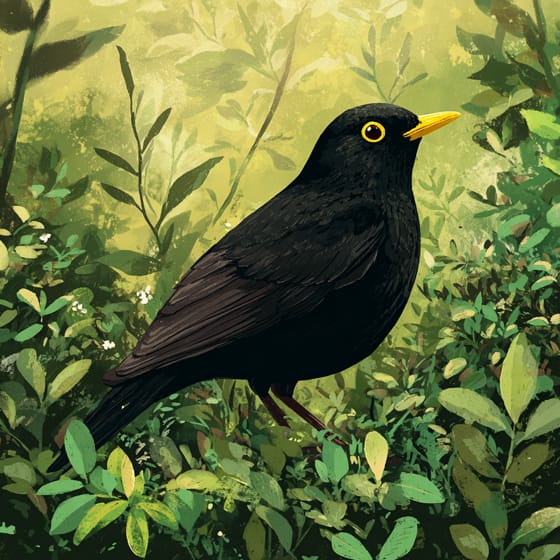
Turdus merula
birds consume its colorful berries
Ornamental plants are cultivated primarily for their aesthetic appeal, enhancing landscapes and gardens with their attractive foliage, flowers, or form.
A shrub is a woody plant smaller than a tree, typically with multiple stems branching from or near the ground.
Evergreen plants retain their foliage throughout the year, never shedding all their leaves at once.
Fruit-bearing plants produce fruits, which are the mature ovaries of flowering plants containing seeds.

Fall color refers to the seasonal change in foliage pigmentation, primarily in deciduous plants, displaying vibrant hues.

This trait characterizes organisms with an exceptionally long lifespan compared to others of their kind.

This habitat trait indicates species that can coexist with humans in urban and suburban environments, utilizing man-made structures and green spaces.
No aliases listed yet.
Danger
2/5 · Low
Do not eat the berries from this plant, as they can make you feel sick.
The easiest way to identify Japanese spindle tree is to use the Snappit nature identifier app.
200-500 cm
100-300 cm
0.5-1 cm
Late spring to early summer
No
Moderate
Perennial
Zoom in to split clusters and explore where this object has been snapped.
Take the discovery with you
Snap it with Snappit to identify it, learn what makes it special, and add the discovery to your collection.










.jpg&width=800)



_001.jpg&width=800)


