





Oregon Gumplant
Grindelia stricta
The Oregon Gumplant is a bright yellow flower that grows in coastal areas. It has sticky leaves that help it stay healthy in sandy places and is loved by bees and butterflies!
Habitat: Coastal areas
The Oregon Gumplant has bright yellow, daisy-like flowers that are incredibly sticky to the touch, especially the buds. Its upright stems are lined with glossy, somewhat toothed green leaves. What makes it distinct is the glistening, resinous coating on its flower bracts.
Category
PlantsRarity
Common
Danger
1/5 · Very low
Snaps
Be the first to snap!
Bumblebees and butterflies adore its bright yellow flowers for a sweet nectar snack.
If you gently touch its leaves, they feel a bit like sticky, glossy tape!
Its flower buds look like they're covered in tiny, sparkly dewdrops!
This plant loves living right next to the salty ocean water and sea spray.
Oregon Gumplant has a gooey resin on its buds that protects it from hungry insects and disease.
Oregon Gumplant can tolerate salty coastal air and soil, thriving where other plants struggle.
Oregon Gumplant can quickly regrow its stems and leaves after being cut or nibbled by animals.
Bombus vosnesenskii
Feeds on its abundant nectar.
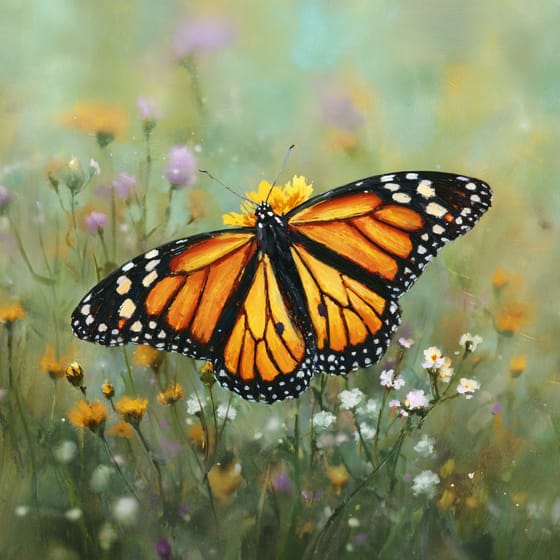
Danaus plexippus
Sips nectar from the flowers.
_-_Killarney%2C_Ontario_01.jpg&width=800)
Melanoplus bivittatus
Chews on its leaves and stems.
Flowering plants are any plants that produce flowers as part of their reproductive cycle.
A shrub is a woody plant smaller than a tree, typically with multiple stems branching from or near the ground.
Summer blooming plants produce their flowers during the summer season, often providing vibrant color when many other plants have finished.
Colorful describes organisms or objects displaying a wide range of bright and distinct colors.

Describes plants that are particularly attractive and beneficial to a wide range of pollinating organisms.

Coastal habitats are dynamic environments located along the interface between land and sea, influenced by tides, waves, and saltwater.
No aliases listed yet.
Danger
1/5 · Very low
Always look but don't touch flowers without asking an adult first.
The easiest way to identify Oregon Gumplant is to use the Snappit nature identifier app.
30-100 cm
30-60 cm
2-5 cm
Summer to fall
No
Mild
Perennial
Zoom in to split clusters and explore where this object has been snapped.
Recent snaps will appear here as new observations are added.
Take the discovery with you
Snap it with Snappit to identify it, learn what makes it special, and add the discovery to your collection.








.jpg&width=800)



_001.jpg&width=800)




