


Johnnytuck
triphysaria eriantha
Johnnytuck (Triphysaria eriantha) is an enchanting annual wildflower native to the grasslands and open fields of California and Oregon. Belonging to the broomrape family (Orobanchaceae), this delicate herb is well-known for its fascinating lifestyle as a facultative hemiparasite. While Johnnytuck is fully capable of generating its own energy through photosynthesis, it actively seeks out the roots of neighboring plants, such as native grasses and goldfields, to siphon off additional water and essential nutrients. This clever survival strategy allows it to flourish in nutrient-poor soils where other plants might struggle. During the spring, Johnnytuck transforms dry meadows into vibrant displays of color. Its whimsical yellow-and-white flowers resemble miniature snapdragons and are a magnet for native pollinators, especially bumblebees. As a key component of western vernal pool ecosystems and coastal prairies, Johnnytuck plays a vital ecological role, supporting local biodiversity and contributing to the complex web of plant-to-plant interactions that define its native habitats.
Habitat: Found in open grasslands, vernal pools, chaparral, and coastal scrub throughout California and southern Oregon.
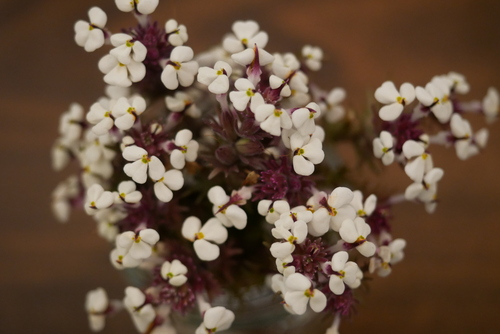
This low-growing herbaceous wildflower typically reaches heights of 10 to 35 centimeters. It features slender, dark purplish-green stems covered in fine, woolly hairs. The leaves are deeply divided into narrow, thread-like lobes. The most prominent feature is its striking inflorescence: terminal spikes of pouch-like flowers with a prominent three-lobed lower lip. These flowers display a beautiful combination of bright butter-yellow and creamy white, resembling tiny pockets or inflated bladders. Wispy, purplish bracts often frame the flowers, adding to its colorful and delicate appearance.
Category
PlantsRarity
Common
Danger
1/5 · Very low
Snaps
Be the first to snap!
Because they are hemiparasites, Johnnytucks can suppress dominant grass species in native meadows, allowing other delicate wildflowers to thrive.
Due to their yellow-and-white patterns, these plants are also known by the common name 'butter-and-eggs.'
The genus name Triphysaria translates to 'three bladders,' which perfectly describes the inflated, pouch-like lower lips of its flowers.
Produces specialized root structures called haustoria that penetrate the root systems of neighboring plants to steal water and minerals.
Retains green chlorophyll and the ability to photosynthesize independently, allowing it to survive even if it fails to locate a host plant.
Features dense, fine hairs on its stems and bracts that trap moisture and reduce water loss in dry Mediterranean climates.
Generates chemical energy via photosynthesis while simultaneously stealing water and vital minerals from the roots of nearby host plants.
Lasthenia californica
Johnnytuck acts as a root parasite to California Goldfields, absorbing water and nutrients directly from its root system.
Bombus vosnesenskii
The Yellow-faced Bumblebee visits the flowers of Johnnytuck for nectar and pollen, acting as its primary pollinator.
No trait badges are assigned for this object yet.
No aliases listed yet.
Collections for this object will appear here as more themes are added.
Danger
1/5 · Very low
No special safety notes yet.
Start with the whole plant, then compare leaf arrangement, leaf edges, stems and any flowers or fruit. Opposite leaves grow in pairs; alternate leaves come one at a time along the stem. These details tell you far more together than a single green leaf does. Plant Identifier: upload a photo and compare the visible details.
10-35 cm
up to 1 years
Generates chemical energy via photosynthesis while simultaneously stealing water and vital minerals from the roots of nearby host plants.
Found in open grasslands, vernal pools, chaparral, and coastal scrub throughout California and southern Oregon.
Parasitism
Zoom in to split clusters and explore where this object has been snapped.
Recent snaps will appear here as new observations are added.
Take the discovery with you
Snap it with Snappit to identify it, learn what makes it special, and add the discovery to your collection.


















