





Jointed rush
Juncus articulatus
The Jointed Rush is a tall, grass-like plant that grows in wet areas. It has jointed stems that make it look like a green stick. This plant is great for helping animals find homes!
Habitat: Wetlands
The Jointed rush has distinctive slender, hollow, dark green stems that feel like they have tiny "knuckles" or joints. Its small, brownish-green flowers appear in loose clusters near the top of the stem. The plant often forms dense clumps, with reddish-brown bases.
Category
PlantsRarity
Common
Danger
1/5 · Very low
Snaps
Be the first to snap!
Ancient Romans sometimes used rushes like this to weave sleeping mats and sturdy baskets.
Despite its look, Jointed Rush is actually a type of grass-like flowering plant, not a grass!
Its name comes from the small, swollen nodes on its stems that look like tiny joints!
This amazing plant can help stop riverbanks from washing away during heavy rain!
Jointed rush has flexible, segmented stems that help it withstand strong water currents without snapping, keeping it rooted.
Jointed rush can grow in oxygen-poor, waterlogged soils because its stems have internal air channels for breathing.
Jointed rush can spread using underground stems (rhizomes) to quickly colonize wet areas and stabilize muddy banks.
Anas platyrhynchos
Eats the seeds and young shoots.
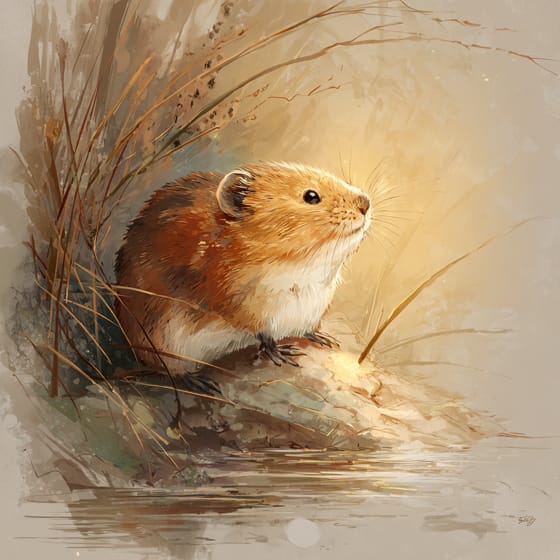
Arvicola amphibius
Feeds on the stems and leaves.
%2C_Mauritius.jpg&width=800)
Gallinula chloropus
Uses dense clumps for nesting.
Deciduous plants periodically shed all their leaves, typically during autumn or dry seasons.
Flowering plants are any plants that produce flowers as part of their reproductive cycle.
Grass-like plants are herbaceous plants that visually resemble true grasses, typically having long, narrow leaves.
Describes plants that are particularly attractive and beneficial to a wide range of pollinating organisms.

This habitat trait identifies species found in wetlands, which are areas of land saturated with water, either permanently or seasonally, including marshes, swamps, and bogs.

Freshwater habitats include non-saline aquatic environments such as rivers, lakes, ponds, and wetlands, vital for numerous species.

Describes a species whose presence and role have a disproportionately large effect on its environment.
No aliases listed yet.
Danger
1/5 · Very low
Always stay on paths when exploring plants, and don't touch without asking an adult.
The easiest way to identify Jointed rush is to use the Snappit nature identifier app.
20-80 cm
10-30 cm
0.2-0.3 cm
Summer
No
None
Perennial
Zoom in to split clusters and explore where this object has been snapped.
Recent snaps will appear here as new observations are added.
Take the discovery with you
Snap it with Snappit to identify it, learn what makes it special, and add the discovery to your collection.







.jpg&width=800)



_001.jpg&width=800)




