





cutleaf coneflower
Rudbeckia laciniata
The cutleaf coneflower is a bright yellow flower with unique, jagged leaves. It loves to grow in sunny places and can reach up to 6 feet tall, making it a cheerful sight in gardens and fields.
Habitat: Grasslands
The cutleaf coneflower is a tall plant with upright stems. It has deeply lobed, 'cut-like' leaves and bright yellow ray petals that droop downwards, surrounding a prominent, often greenish-yellow central cone. Its distinctive form stands out in meadows.
Category
PlantsRarity
Common
Danger
1/5 · Very low
Snaps
15
Early settlers learned from Native Americans to use its roots for health teas.
Its name 'laciniata' means 'slashed' in Latin, referring to its deeply cut leaves!
Sometimes called 'goldenglow' because its bright blooms shine in the autumn landscape!
The tall green center isn't one flower, but hundreds of tiny flowers packed together!
Cutleaf coneflower can spread through underground stems (rhizomes) that help it form colonies and claim new ground.
Cutleaf coneflower can grow over 10 feet tall, allowing it to reach above other plants and capture more sunlight.
Cutleaf coneflower has bright, nectar-rich flowers that attract many bees and butterflies, ensuring its reproduction.
Cutleaf coneflower roots have traditionally been used to make medicinal teas, showcasing its historical value.
Apis mellifera
collects nectar and pollen

Danaus plexippus
feeds on its nectar

Carduelis tristis
enjoys its nutritious seeds
Bombus impatiens
collects nectar and pollen
Flowering plants are any plants that produce flowers as part of their reproductive cycle.
Summer blooming plants produce their flowers during the summer season, often providing vibrant color when many other plants have finished.
Colorful describes organisms or objects displaying a wide range of bright and distinct colors.
Edible plants are those parts of a plant that are considered safe for human consumption.

Grassland habitats are terrestrial biomes dominated by grasses and herbaceous plants, supporting a variety of grazing animals.

Describes plants that are particularly attractive and beneficial to a wide range of pollinating organisms.

Rapid growing plants exhibit accelerated growth rates, quickly increasing in size and biomass within a short period.
No aliases listed yet.
Danger
1/5 · Very low
Always look but don't pick flowers, so everyone can enjoy them!
The easiest way to identify cutleaf coneflower is to use the Snappit nature identifier app.
100-300 cm
60-120 cm
5-10 cm
Late summer to fall
Yes
None
Perennial
Zoom in to split clusters and explore where this object has been snapped.
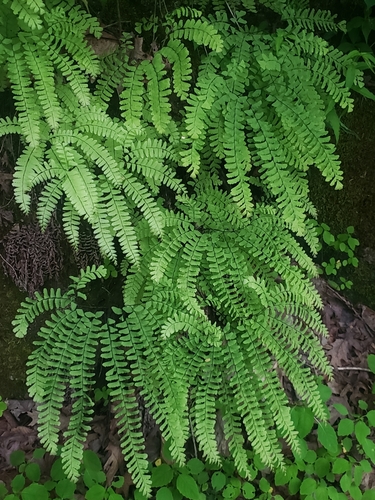
Iowa, US
You might spot Northern Maidenhair Fern and Wood Nettle.
View guide →

Florida, US
You might spot Atala, Monarch, and Brown Anole.
View guide →

Illinois, US
You might spot Carolina Mantis and Goldenrod Soldier Beetle.
View guide →

Pennsylvania, US
You might spot Eastern Tiger Swallowtail and Slowpoke Moth.
View guide →

Pennsylvania, US
You might spot Canada Goose, American Robin, and Red-Winged Blackbird.
View guide →

Michigan, US
You might spot Prairie Trillium, Large White Trillium, and Wild Geranium.
View guide →
Take the discovery with you
Snap it with Snappit to identify it, learn what makes it special, and add the discovery to your collection.








.jpg&width=800)



_001.jpg&width=800)



