




Kentrosaurus
Kentrosaurus aethiopicus
Kentrosaurus was a prehistoric dinosaur known for its distinctive features. Scientists study its bones to learn about how dinosaurs lived.
Habitat: Mesozoic forests and floodplains
The Kentrosaurus is a medium-sized dinosaur known for its distinctive double rows of plates and sharp spikes along its back and tail. Its body likely had earthy greens and browns, helping it blend into its ancient forest environment. Long, intimidating shoulder spikes extended out, making it look formidable.
Category
AncientRarity
Common
Danger
1/5 · Very low
Snaps
Be the first to snap!
Despite its formidable size, its brain was only about the size of a human walnut.
Fossils were first discovered in Tanzania, East Africa, over a hundred years ago.
Its name means "prickle lizard" in ancient Greek, a perfect fit for its spiky body!
Unlike its cousin Stegosaurus, it had more spikes than plates along its back.
Kentrosaurus has rows of sharp dermal spikes and plates that help them defend against large predators.
Kentrosaurus can swing its powerful tail, armed with long spikes, to deter any attacking carnivores.
Kentrosaurus can easily reach low-growing plants because of its short neck and powerful jaws.
Kentrosaurus was a plant-eating dinosaur that munched on a variety of low-lying vegetation.
Veterupristisaurus milneri
This large theropod was a dominant predator in its ecosystem.
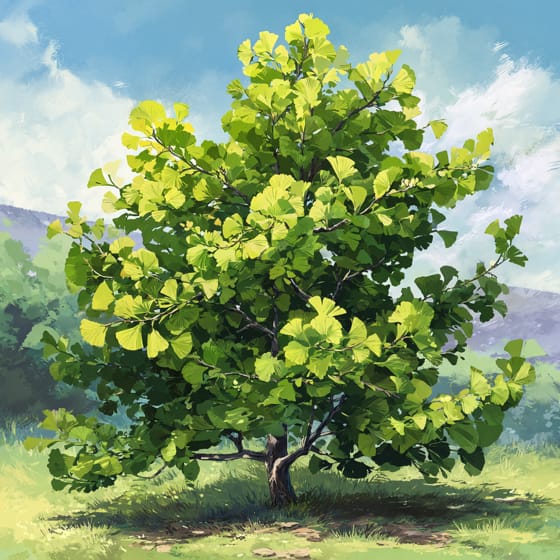
Ginkgo adiantoides
Browsed on the leaves and shoots of ancient Ginkgo trees.
Dicraeosaurus hansemanni
Shared ancient grazing grounds with this long-necked giant.
Janenschia robusta
Coexisted and likely shared food resources with this massive sauropod.
Ancient refers to organisms, objects, or geological formations that have existed for an extremely long period.
An artifact is an object made or modified by human culture, typically of historical or archaeological interest.
A fossil is the preserved remains or traces of an ancient organism embedded in rock or other geological deposits.
No aliases listed yet.
Danger
1/5 · Very low
While extremely dangerous in their time, this creature is now extinct.
The easiest way to identify Kentrosaurus is to use the Snappit nature identifier app.
4.5-5.5 m
1000-1500 kg
Kentrosaurus was a plant-eating dinosaur that munched on a variety of low-lying vegetation.
Mesozoic forests and floodplains
Grazing
Jurassic
150
Zoom in to split clusters and explore where this object has been snapped.
Recent snaps will appear here as new observations are added.
Take the discovery with you
Snap it with Snappit to identify it, learn what makes it special, and add the discovery to your collection.