




Lungfish
Lepidosiren paradoxa
Lungfish are ancient fish that can breathe air! They have long bodies and fins like wings. Lungfish can survive in water with very little oxygen.
Habitat: Freshwater
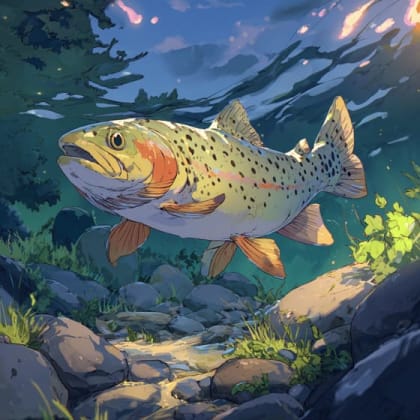
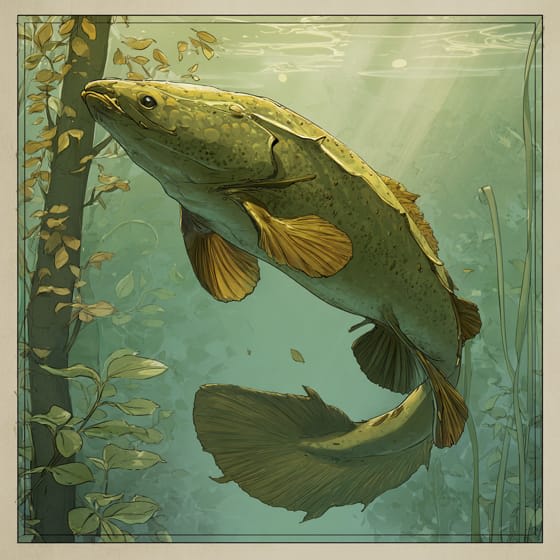
The Lungfish has a long, slender, eel-like body with tiny, thread-like fins, and small scales. Its skin is usually dark grey or brownish, helping it blend into muddy river bottoms and making it visually distinct from other fish.
Category
FishRarity
Common
Danger
2/5 · Low
Snaps
Be the first to snap!
Baby lungfish have feathery external gills, like tiny salamanders!
Lungfish are sometimes called "living fossils" for their ancient lineage!
Some lungfish have lived for over 100 years in zoos and aquariums!
They are more closely related to amphibians than to most other fish!
Lungfish can breathe air using a primitive lung, allowing them to survive in oxygen-poor water or when their habitat dries up.
Lungfish can burrow into the mud and create a protective cocoon, allowing them to "sleep" through droughts for long periods.
Lungfish has fleshy, limb-like fins that help it move along the bottom of its habitat, resembling early land vertebrate locomotion.
Lungfish are omnivores, munching on small fish, insects, snails, and even plants they find.
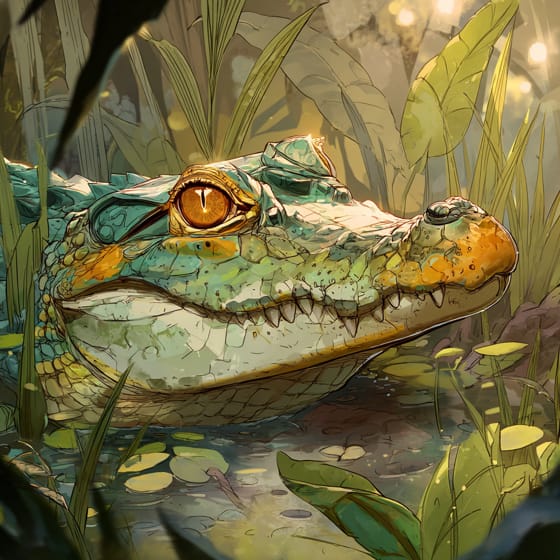
Caiman crocodilus
Hunted by caimans as they move through water.
Hoplias malabaricus
Larger fish may prey on juvenile lungfish.
Pomacea bridgesii
Consumes these slow-moving snails from the riverbed.
This trait identifies organisms whose diet includes both plant and animal matter.
Burrowing animals dig tunnels and chambers in the ground, using these subterranean structures for shelter, hunting, or breeding.
Thermoregulating organisms maintain a stable internal body temperature despite fluctuations in the external environment.
This trait signifies organisms belonging to a very old evolutionary group with ancestors dating back millions of years.

This trait characterizes organisms with an exceptionally long lifespan compared to others of their kind.

Freshwater habitats include non-saline aquatic environments such as rivers, lakes, ponds, and wetlands, vital for numerous species.

Regenerative organisms possess the ability to regrow lost or damaged body parts, tissues, or organs.

Aquatic habitats encompass environments where organisms live predominantly in water, including oceans, rivers, lakes, and wetlands.

Nocturnal animals are primarily active during the nighttime hours, typically resting or sleeping during the day.
Danger
2/5 · Low
Observe lungfish from a safe distance and never disturb their habitat.
The easiest way to identify Lungfish is to use the Snappit nature identifier app.
25-125 cm
0.5-22 kg
15-80 years
Lungfish are omnivores, munching on small fish, insects, snails, and even plants they find.
1 km/h
Freshwater
Foraging
Zoom in to split clusters and explore where this object has been snapped.
Recent snaps will appear here as new observations are added.
Take the discovery with you
Snap it with Snappit to identify it, learn what makes it special, and add the discovery to your collection.