




Mammoth Tooth
A mammoth tooth is from a large, furry animal that lived during the Ice Age. Mammoths were like giant elephants!
The Mammoth Tooth is a large, dense fossil, often brownish, grey, or cream-colored from mineralization. It has a distinctive, corrugated chewing surface composed of many parallel, wavy enamel plates. This unique ridged structure makes it visually different from the simpler, pointed teeth of carnivores.
Category
AncientRarity
Epic
Danger
1/5 · Very low
Snaps
Be the first to snap!
A mammoth could grow six sets of teeth throughout its lifetime!
Mammoth teeth helped scientists discover ancient diets and environments.
One mammoth tooth can weigh more than a human toddler!
The ridges on a mammoth tooth are like a natural cheese grater for plants!
Mammoth Tooth has strong, ridged enamel that helps them grind down tough grasses and plants with incredible force.
Mammoth Tooth wears down over time, but new layers are exposed, effectively keeping a fresh, rough chewing surface.
Mammoth Tooth has growth rings that help scientists learn about the ancient climate and what mammoths ate.
Mammoths were massive plant-eaters, crunching through huge amounts of grasses, sedges, and shrubs.
Age differences: Young mammoths consumed milk, gradually transitioning to a full diet of plant matter.
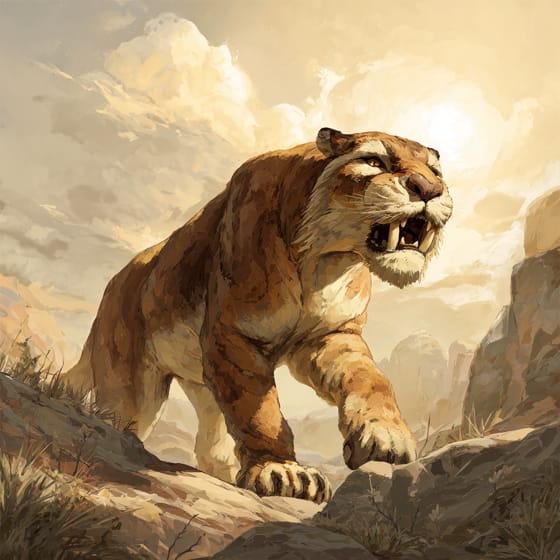
Smilodon fatalis
Hunted young or vulnerable mammoths.
Homo sapiens
Hunted mammoths for food, tools, and shelter.
Betula nana
Mammoths browsed on its leaves and twigs.
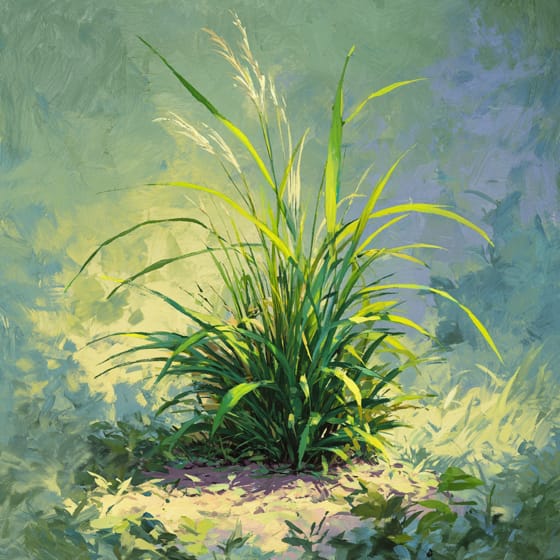
Poa pratensis
A common grass consumed by mammoths.
Ancient refers to organisms, objects, or geological formations that have existed for an extremely long period.
An artifact is an object made or modified by human culture, typically of historical or archaeological interest.
A fossil is the preserved remains or traces of an ancient organism embedded in rock or other geological deposits.
No aliases listed yet.
Danger
1/5 · Very low
Explore with care and ask an adult if you're unsure what to do.
The easiest way to identify Mammoth Tooth is to use the Snappit nature identifier app.
0.15-0.3 m
1.5-4.5 kg
Mammoths were massive plant-eaters, crunching through huge amounts of grasses, sedges, and shrubs.
Grazing
Pleistocene
0.01
Zoom in to split clusters and explore where this object has been snapped.
Recent snaps will appear here as new observations are added.
Take the discovery with you
Snap it with Snappit to identify it, learn what makes it special, and add the discovery to your collection.