




Mammoth Tusk
A mammoth tusk is a long, curved tooth from a mammoth. They used their tusks for digging and fighting!
The Mammoth Tusk is a massive, curved ivory growth, typically yellowish-brown to cream in color, often with distinct growth rings and a spiral twist. Its immense size and pronounced curvature make it visually distinct from the straighter, smaller tusks of modern elephants.
Category
AncientRarity
Rare
Danger
1/5 · Very low
Snaps
Be the first to snap!
Early humans used mammoth tusks to build amazing shelters and create beautiful art!
Mammoth tusks grew throughout their entire lives, never stopping!
Scientists can learn a mammoth's age from rings inside its tusk, like a tree!
Some mammoths were 'left-tusked' or 'right-tusked', just like people are left or right-handed!
Mammoth Tusk can clear heavy snow because of its strong, curved shape, helping the mammoth find hidden plants.
Mammoth Tusk has incredible strength that helps protect the mammoth from fierce predators like saber-toothed cats.
Mammoth Tusk can show who is boss in the herd because its length and thickness signal strength and status.
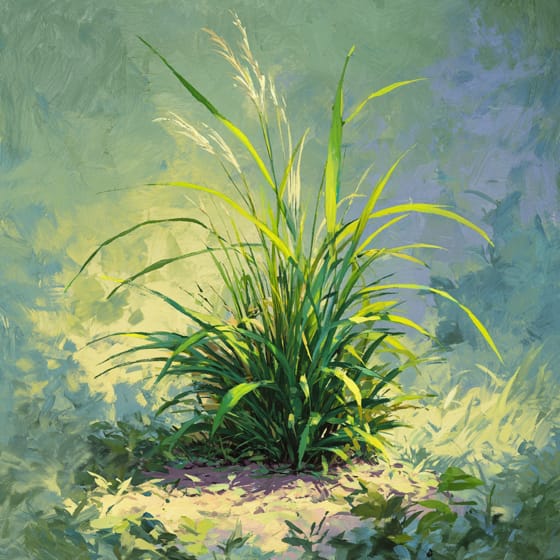
Poa pratensis
Tusks cleared snow to graze on abundant steppe grasses.
Homo sapiens
Early humans hunted mammoths, tusks used for tools and shelter.
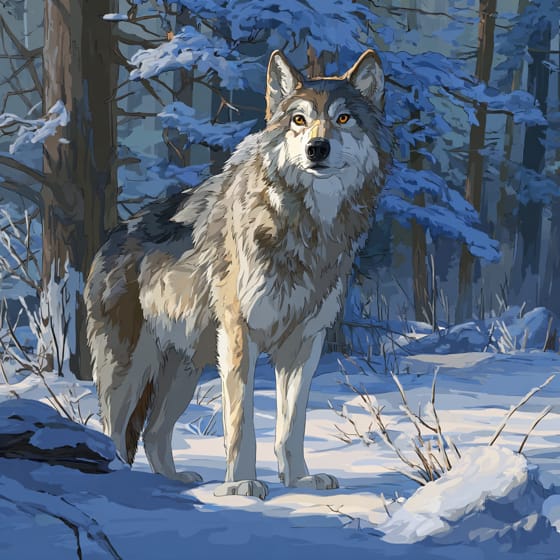
Canis lupus
Wolves scavenged mammoth carcasses, playing a vital role.
Artemisia frigida
Mammoths also foraged on various shrubs and herbs in their diet.
Characterized by having long, pointed, projecting teeth, usually in pairs.
Ancient refers to organisms, objects, or geological formations that have existed for an extremely long period.
An artifact is an object made or modified by human culture, typically of historical or archaeological interest.
A fossil is the preserved remains or traces of an ancient organism embedded in rock or other geological deposits.
No aliases listed yet.
Danger
1/5 · Very low
Explore with care and ask an adult if you're unsure what to do.
The easiest way to identify Mammoth Tusk is to use the Snappit nature identifier app.
2.5-5 m
40-100 kg
Ancient
0.01
Zoom in to split clusters and explore where this object has been snapped.
Recent snaps will appear here as new observations are added.
Take the discovery with you
Snap it with Snappit to identify it, learn what makes it special, and add the discovery to your collection.