.jpg&width=800)





Mountain Deathcamas
Anticlea elegans
Mountain Deathcamas is a beautiful plant with tall, slender stems and white flowers. It grows in mountain areas and is known for its unique look, but it's important to be careful around it!
Habitat: Mountain regions
The Mountain Deathcamas has a single, tall, unbranched stem topped with a dense cluster of many small, star-shaped flowers. Its petals are typically creamy-white to greenish-white, contrasting with long, narrow, grass-like leaves that grow from its base.
Category
PlantsRarity
Rare
Danger
5/5 · Extreme
Snaps
3
Despite its pretty looks, every part of the Mountain Deathcamas is highly poisonous!
Its name 'Deathcamas' comes from how dangerous it is to eat, especially for livestock.
Native Americans carefully distinguished this toxic plant from edible 'camas' look-alikes.
This plant stores energy in a bulb underground, much like an onion, to survive cold winters.
Mountain Deathcamas has powerful toxins in its leaves and bulb that help it defend against most hungry animals.
Mountain Deathcamas can grow from a buried bulb, allowing it to quickly emerge after winter and bloom early.
Mountain Deathcamas produces clusters of showy flowers, attracting various insects for essential pollination.
Bombus melanopygus
Visits its flowers, transferring pollen.
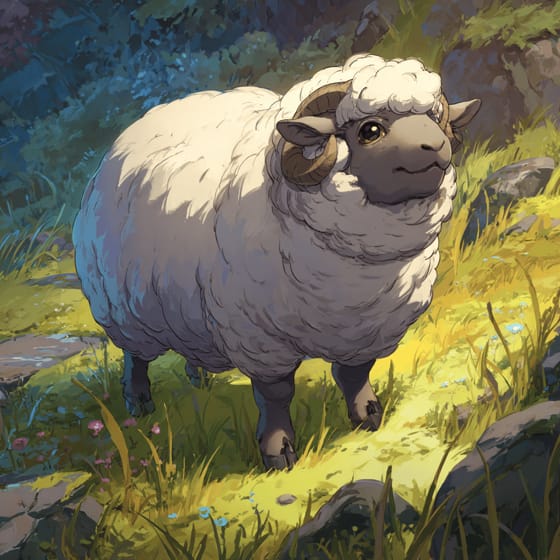
Ovis aries
Can be poisoned by ingesting the toxic leaves.

Bos taurus
May eat the plant, leading to severe illness or death.
Flowering plants are any plants that produce flowers as part of their reproductive cycle.
Cluster flowers are inflorescences where individual flowers are arranged closely together on a common stem.
Spring blooming plants produce their flowers during the spring season, often signifying the end of winter and the start of new growth.
Fragrant flowers emit a pleasant aroma, often to attract pollinators or for defense.

Describes plants that are particularly attractive and beneficial to a wide range of pollinating organisms.

This habitat trait identifies species found in mountainous regions, characterized by high elevation, steep slopes, and varying climate zones.

Poisonous organisms produce toxins that can cause harm when ingested, inhaled, or absorbed through contact.

Endangered status indicates a species is at a very high risk of extinction in the wild in the near future.
No aliases listed yet.
Danger
5/5 · Extreme
Never touch or eat any part of this plant without asking an adult first.
The easiest way to identify Mountain Deathcamas is to use the Snappit nature identifier app.
20-80 cm
10-20 cm
1-2 cm
Late spring to mid-summer
No
Deadly
Perennial
Zoom in to split clusters and explore where this object has been snapped.

Montana, US
You might spot Bighorn Sheep and Mountain Goat.
View guide →

Montana, US
You might spot Black Bear, Brown Bear, and Moose.
View guide →

Wisconsin, US
You might spot Green Comet Milkweed, Wood Lily, and Flowering Spurge.
View guide →
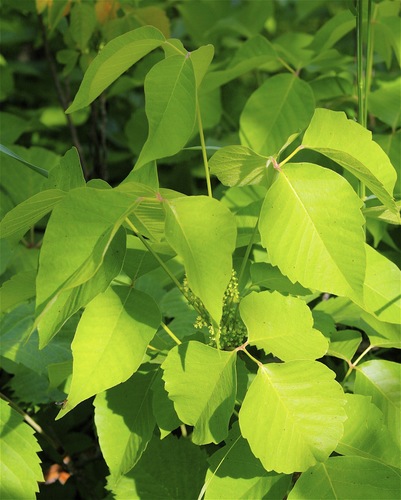
North Dakota, US
You might spot Western Poison Ivy, Wild Licorice, and Leadplant.
View guide →

Alaska, US
You might spot Dwarf Fireweed and Yellow Mountain-Avens.
View guide →

British Columbia, CA
You might spot Thimbleberry, Canadian Buffalo-Berry, and Oregon Grape.
View guide →
Take the discovery with you
Snap it with Snappit to identify it, learn what makes it special, and add the discovery to your collection.








.jpg&width=800)


_001.jpg&width=800)




