





Rock Caper
Capparis orientalis
The Rock Caper is a special plant that grows in rocky places. It has beautiful flowers and thick leaves that help it survive in tough spots. This plant is a little tough, just like a superhero of the plant world!
Habitat: Rocky areas
The Rock Caper is a sprawling subshrub with thick, rounded bluish-green leaves. Its striking, delicate flowers have four white to pinkish petals, many long purple stamens, and a prominent green pistil, often appearing singly.
Category
PlantsRarity
Common
Danger
1/5 · Very low
Snaps
Be the first to snap!
Ancient Romans believed capers could cure headaches and stomach aches!
Its ripe fruit tastes like melon and is called a 'caper berry'.
The famous capers you eat are actually this plant's unopened flower buds!
This plant can grow right out of solid rock walls!
Rock Caper has sharp spines along its stems that protect it from hungry herbivores looking for a snack.
Rock Caper has fleshy, waxy leaves that help it store water and reduce evaporation in sunny, dry places.
Apis mellifera
Collects nectar and pollen from its large, showy flowers.
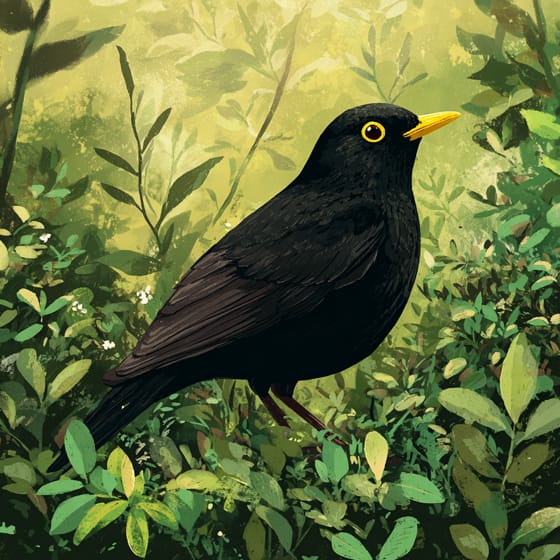
Turdus merula
Feeds on the ripe caper berries, helping to spread seeds.
Capra hircus
Browses the leaves and stems in its natural habitat.
Flowering plants are any plants that produce flowers as part of their reproductive cycle.
A shrub is a woody plant smaller than a tree, typically with multiple stems branching from or near the ground.
Evergreen plants retain their foliage throughout the year, never shedding all their leaves at once.
Fragrant flowers emit a pleasant aroma, often to attract pollinators or for defense.

Drought-tolerant plants can survive and flourish in conditions with limited water availability.

Edible plants are those parts of a plant that are considered safe for human consumption.

Describes plants that are particularly attractive and beneficial to a wide range of pollinating organisms.

This habitat trait identifies species found in mountainous regions, characterized by high elevation, steep slopes, and varying climate zones.
No aliases listed yet.
Danger
1/5 · Very low
Don't eat any plants unless a grown-up says it's safe!
The easiest way to identify Rock Caper is to use the Snappit nature identifier app.
10-50 cm
20-100 cm
3-5 cm
Late spring to summer
Yes
None
Perennial
Zoom in to split clusters and explore where this object has been snapped.
Recent snaps will appear here as new observations are added.
Take the discovery with you
Snap it with Snappit to identify it, learn what makes it special, and add the discovery to your collection.








.jpg&width=800)


_001.jpg&width=800)


