





Muroids
Muroidea
Muroids are small, furry animals that include mice and rats. They are known for their long tails and big ears. These little creatures are often found scurrying around in fields and gardens.
Habitat: Grasslands
The Muroids is a diverse group with small to medium-sized bodies, typically covered in brown, grey, or black fur, often with lighter undersides. They have prominent ears, large eyes, and a long, often scaly or hairy tail. Their pointed snouts and gnawing incisors visually distinguish them from most other small mammals.
Category
MammalsRarity
Common
Danger
2/5 · Low
Snaps
Be the first to snap!
A muroid's heart can beat over 600 times in just one minute!
Many muroids sing ultrasonic songs that humans can't even hear!
Some desert muroids never drink water; they get it all from their food!
Some muroids live high in trees, using their long tails for balance!
Muroids chew through tough materials because ever-growing, self-sharpening incisors help them access food and build burrows.
Muroids reproduce rapidly with short gestation and large litters, helping populations recover quickly in changing environments.
Muroids use long, sensitive whiskers to 'see' in the dark, navigating cramped spaces and locating food by touch.
Muroids dig complex burrows using strong claws and flexible bodies, creating safe homes and food caches underground.
These adaptable mammals eat a huge variety of foods, from seeds and nuts to insects and even human scraps.
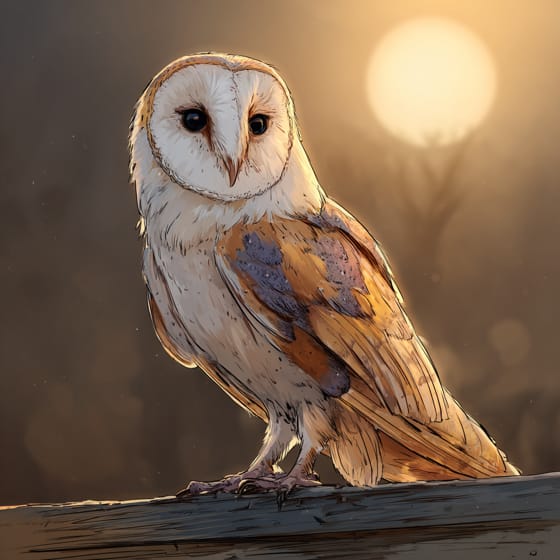
Tyto alba
Common predator, especially of mice and voles.
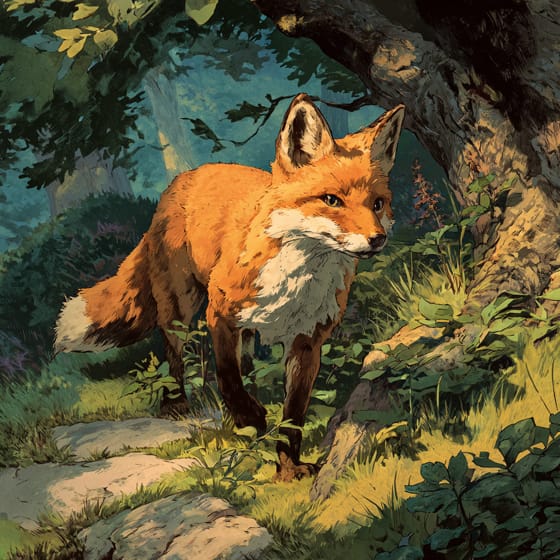
Vulpes vulpes
One of their primary predators in many habitats.
Thamnophis sirtalis
Snakes are important predators of young muroids.
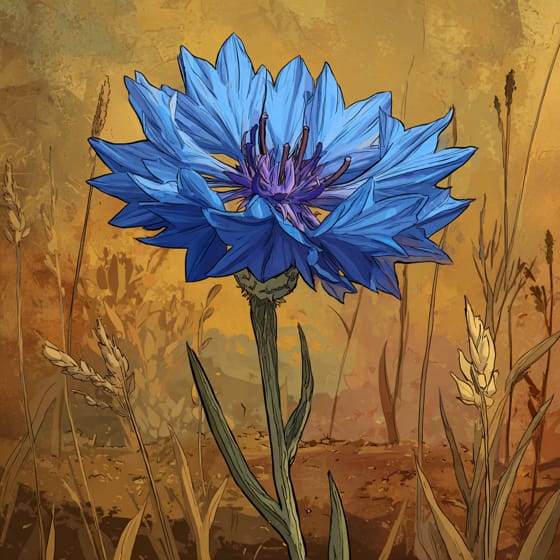
Zea mays
Many muroids consume corn and other crop grains.
Formica rufa
Some muroids include ants and other insects in their diet.
Furry describes animals possessing a dense covering of soft hair or fur.
Social animals live in organized groups, cooperating for survival benefits such as foraging, defense, and raising offspring.
This trait identifies organisms whose diet includes both plant and animal matter.
Burrowing animals dig tunnels and chambers in the ground, using these subterranean structures for shelter, hunting, or breeding.

Grassland habitats are terrestrial biomes dominated by grasses and herbaceous plants, supporting a variety of grazing animals.

This trait identifies organisms that exhibit exceptional swiftness in movement for hunting, escape, or travel.

Nocturnal animals are primarily active during the nighttime hours, typically resting or sleeping during the day.
Danger
2/5 · Low
Always watch from a distance and don't try to touch wild mice or rats, as they can be scared.
The easiest way to identify Muroids is to use the Snappit nature identifier app.
5-45 cm
0.005-1 kg
1-5 years
12 km/h
These adaptable mammals eat a huge variety of foods, from seeds and nuts to insects and even human scraps.
Grasslands
Foraging
Zoom in to split clusters and explore where this object has been snapped.
Recent snaps will appear here as new observations are added.
Take the discovery with you
Snap it with Snappit to identify it, learn what makes it special, and add the discovery to your collection.





.jpg&width=800)



.JPG&width=800)

.jpg&width=800)
