





Northern Caddisflies
Limnephilidae
Northern Caddisflies are small insects that live near water. They build cozy little homes from twigs and pebbles, which they carry around as they swim and float.
Habitat: Wetlands
The Northern Caddisflies has a moth-like body with four hairy wings that fold back tent-like over its abdomen. They are typically dull brown, grey, or black, providing camouflage against bark or vegetation. Their long, slender antennae extend forward, distinguishing them from true moths at rest.
Category
InsectsRarity
Common
Danger
1/5 · Very low
Snaps
Be the first to snap!
Adult caddisflies can't eat solid food; they often only drink nectar or water, living off stored energy!
Some caddisfly larvae are carnivores, ambushing smaller aquatic insects with their strong jaws!
Some caddisfly larvae are used by jewelers to create unique, living artworks with precious gems!
They are excellent bioindicators; their presence helps scientists understand water quality in rivers and streams!
Northern Caddisflies larvae can build intricate protective cases from silk and environmental materials that helps them shelter from predators and currents.
Northern Caddisflies larvae have external gills that allow them to extract oxygen directly from the water, enabling them to live submerged for months.
Northern Caddisflies larvae produce strong silk to construct their protective homes or build capture nets, helping them secure food and shelter.
Larvae eat algae, plants, or small insects; adults primarily consume liquids like nectar.
Age differences: Larvae consume diverse aquatic matter, while adults typically only drink nectar or water.
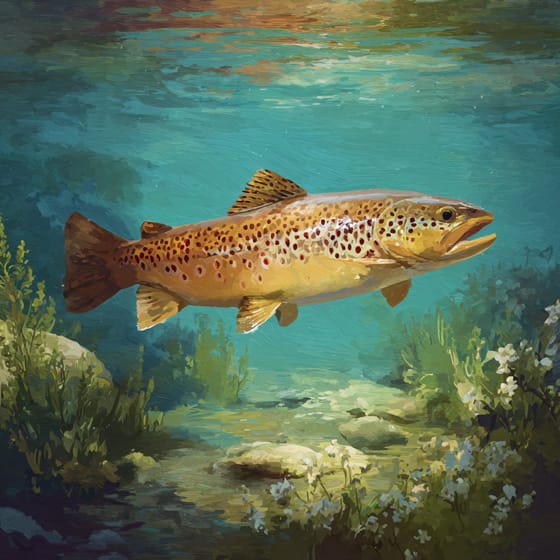
Salmo trutta
Trout are major predators of caddisfly larvae and pupae in streams.
Rana pipiens
Adult caddisflies are consumed by frogs and other amphibians near wetlands.
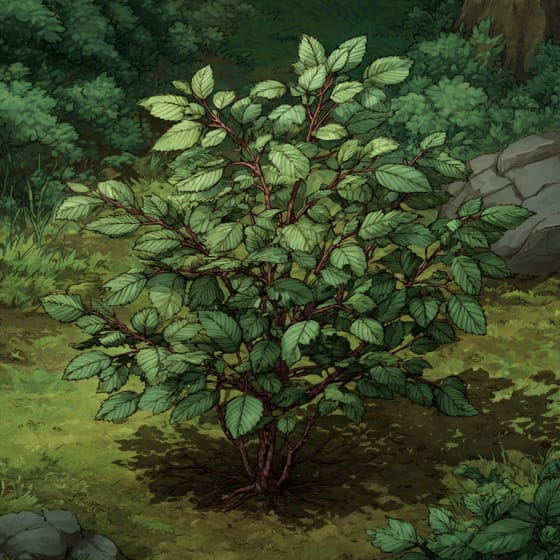
Alnus rubra
Larvae often use decaying leaves from streamside trees like alder for their cases.
Solitary animals live alone for most of their lives, only interacting with others for mating or parental care.
Camouflaged describes organisms that possess coloring or patterns that allow them to blend into their environment.
Filter feeders obtain nutrients by straining suspended food particles and small organisms from water.
This trait characterizes organisms whose diet consists entirely or primarily of plant material.

This habitat trait identifies species found in wetlands, which are areas of land saturated with water, either permanently or seasonally, including marshes, swamps, and bogs.

Diurnal animals are primarily active during daylight hours, typically resting or sleeping at night.

Describes a species whose presence and role have a disproportionately large effect on its environment.

Pertaining to species that are significantly smaller than typical or average for their kind.

Aquatic habitats encompass environments where organisms live predominantly in water, including oceans, rivers, lakes, and wetlands.

Pertaining to organisms that emit light through bioluminescence or fluorescence.

Describes organisms that transfer pollen, enabling the fertilization and reproduction of plants.
No aliases listed yet.
Danger
1/5 · Very low
Always wash your hands after playing near water to stay clean and healthy.
The easiest way to identify Northern Caddisflies is to use the Snappit nature identifier app.
20-50 mm
10-25 mm
200-365 days
8 km/h
Larvae eat algae, plants, or small insects; adults primarily consume liquids like nectar.
Wetlands
Foraging
Zoom in to split clusters and explore where this object has been snapped.
Recent snaps will appear here as new observations are added.
Take the discovery with you
Snap it with Snappit to identify it, learn what makes it special, and add the discovery to your collection.







.jpg&width=800)



