





Autumn Meadowhawk
Sympetrum vicinum
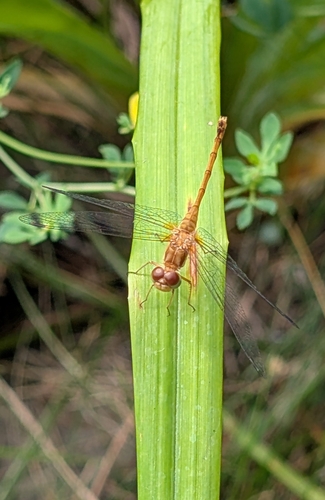
The Autumn Meadowhawk is a colorful dragonfly that loves to fly around in the fall. With its bright red body and clear wings, it can be seen near ponds and marshes, making it a fun friend to spot!
Habitat: Wetlands
The Autumn Meadowhawk is a small, striking dragonfly. Males boast bright, often brilliant, red bodies and faces, with clear wings that have reddish veins at the base and distinctive yellow legs striped with black. Females are typically yellowish-brown, but also feature the characteristic striped legs.
Category
InsectsRarity
Common
Danger
1/5 · Very low
Snaps
10
Autumn Meadowhawk nymphs live underwater for months, breathing through gills just like fish!
Dragonflies existed before dinosaurs, making them truly ancient insects!
Male Autumn Meadowhawks often guard their mates, chasing away other males nearby!
They are sometimes called 'cherry-faced' dragonflies because of their bright red faces!
Autumn Meadowhawk can hover and fly backwards because of its four independent wings that help them catch prey.
Autumn Meadowhawk has huge compound eyes that help them spot tiny flying insects from far away, even behind them.
Autumn Meadowhawk can warm up its flight muscles by shivering its wings, helping them fly on cooler autumn days.
These aerial hunters feast on tiny flying insects, helping to control mosquito populations!
Age differences: Nymphs hunt aquatic insects and tadpoles underwater, while adults hunt flying insects in the air.
Aedes aegypti
Adults expertly snatch mosquitoes from the air.
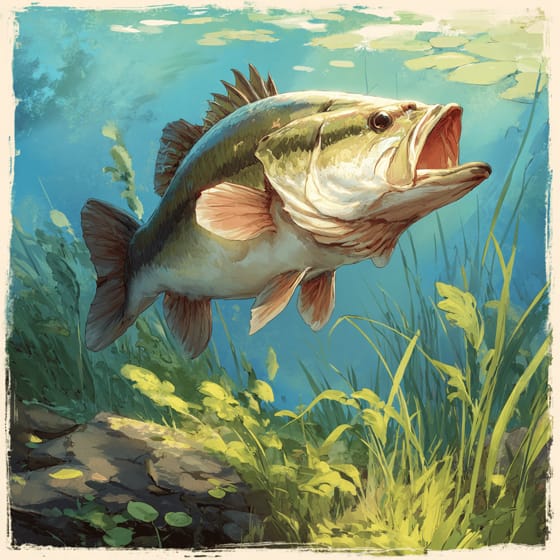
Micropterus salmoides
Fish prey on meadowhawk nymphs living in the water.
.jpg&width=800)
Tyrannus tyrannus
Birds often catch adult dragonflies over meadows.
Solitary animals live alone for most of their lives, only interacting with others for mating or parental care.
Aerial creatures spend a significant portion of their lives airborne, utilizing flight for various activities such as hunting, migration, or nesting.
Colorful describes organisms or objects displaying a wide range of bright and distinct colors.
This trait identifies organisms whose diet primarily consists of insects and other small invertebrates.

This habitat trait identifies species found in wetlands, which are areas of land saturated with water, either permanently or seasonally, including marshes, swamps, and bogs.

Diurnal animals are primarily active during daylight hours, typically resting or sleeping at night.

This trait identifies organisms that exhibit exceptional swiftness in movement for hunting, escape, or travel.

Describes organisms that transfer pollen, enabling the fertilization and reproduction of plants.
No aliases listed yet.
Danger
1/5 · Very low
Always watch dragonflies from a distance and do not try to catch them.
The easiest way to identify Autumn Meadowhawk is to use the Snappit nature identifier app.
40-55 mm
28-36 mm
30-90 days
15 km/h
These aerial hunters feast on tiny flying insects, helping to control mosquito populations!
Wetlands
Pursuit
Zoom in to split clusters and explore where this object has been snapped.
Aug 14, 2025
Lake Superior ZooPhoto attribution
(c) Tom and T Herman, some rights reserved (CC BY)
License: CC BY 4.0 ↗
Image may be shown cropped inside the card frame.

Maryland, US
You might spot Crane-Fly Orchid, Fragile Forktail, and Ebony Jewelwing.
View guide →
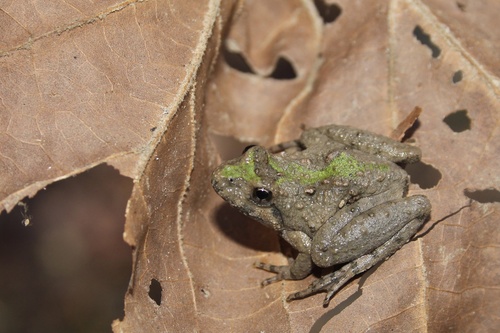
Maryland, US
You might spot Northern Cricket Frog and Common Whitetail.
View guide →

Pennsylvania, US
You might spot Eastern Tiger Swallowtail and Slowpoke Moth.
View guide →

Iowa, US
You might spot Common Eastern Bumble Bee and North American Luna Moth.
View guide →
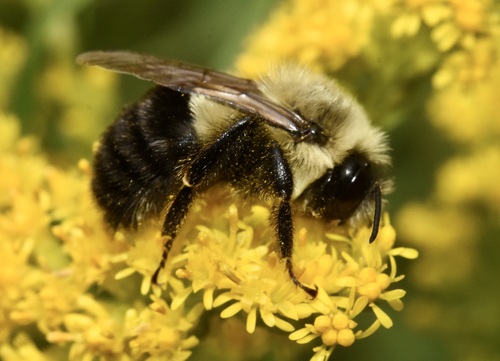
Ohio, US
You might spot Common Eastern Bumble Bee, Sensitive Fern, and Mayapple.
View guide →
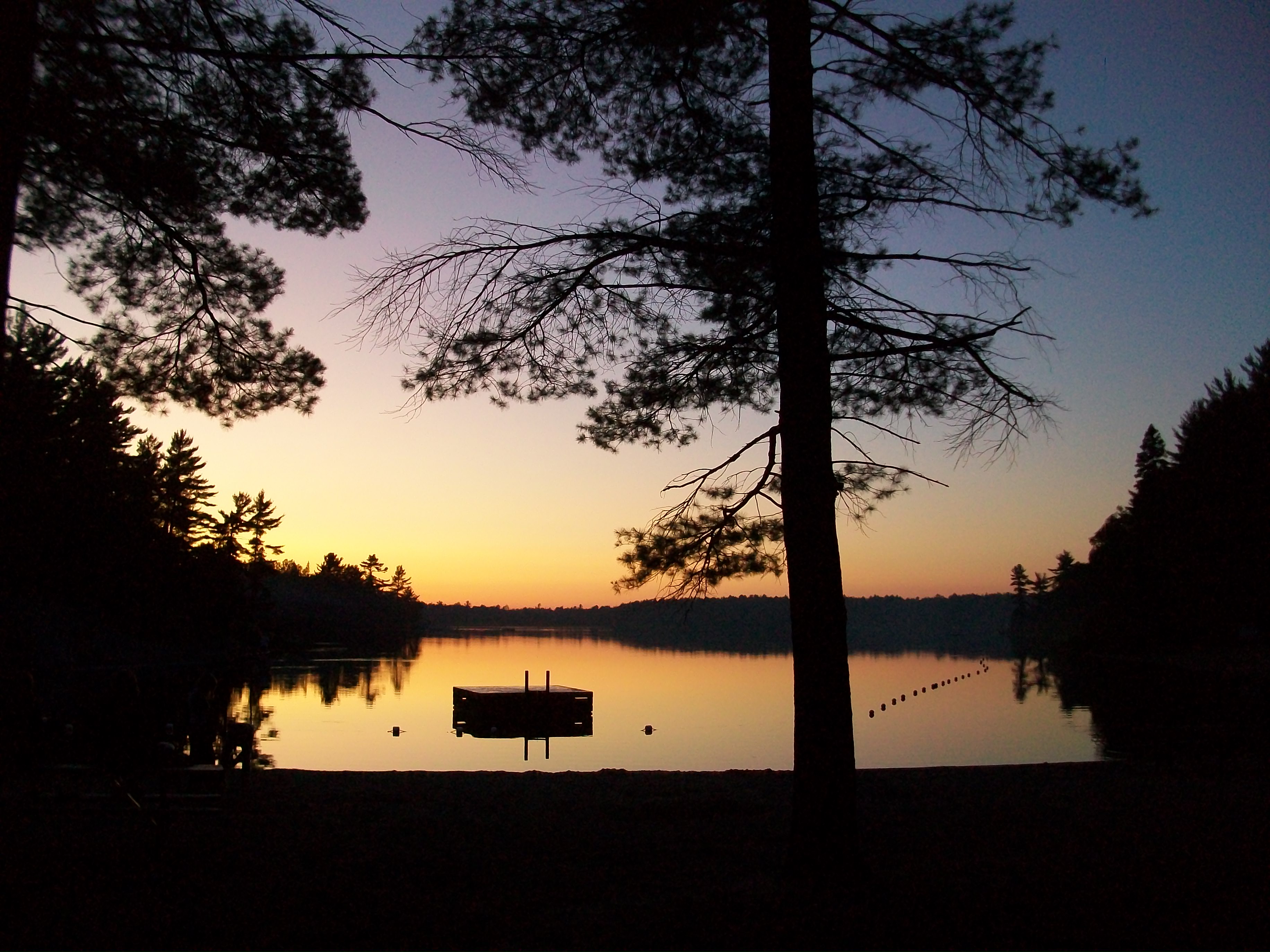
Ontario, CA
You might spot Painted Turtle, Common Watersnake, and Pickerelweed.
View guide →
Take the discovery with you
Snap it with Snappit to identify it, learn what makes it special, and add the discovery to your collection.








.jpg&width=800)



