





Northern Tamandua
Tamandua mexicana
The Northern Tamandua is a cute, tree-climbing animal that loves to eat ants and termites. With its long snout and strong claws, it can dig into nests to find tasty treats!
Habitat: Forests
The Northern Tamandua has a distinctive 'vest' pattern of black fur across its shoulders and back, contrasting sharply with its pale yellow or tan body. It possesses a long, pointed snout and small, rounded ears. Its largely hairless, prehensile tail helps it stand out from ground-dwelling anteaters.
Category
MammalsRarity
Common
Danger
2/5 · Low
Snaps
Be the first to snap!
Its black 'vest' pattern can look like a hole in a tree, helping it hide!
Northern Tamanduas don't have any teeth, using their strong stomach to grind food!
These animals can spray a stinky, musky liquid that smells worse than a skunk!
They protect their long claws by walking on the sides of their front feet!
Northern Tamandua has a powerful, naked prehensile tail that helps them grip branches while climbing and feeding.
Northern Tamandua can use its long, sharp claws to tear open tough insect nests and defend itself from predators.
Northern Tamandua has an excellent sense of smell that helps them sniff out hidden ants and termites in trees and logs.
Northern Tamandua has a long, sticky tongue that helps them quickly lap up thousands of ants and termites.
This amazing insectivore loves to feast on ants and termites found in forests.
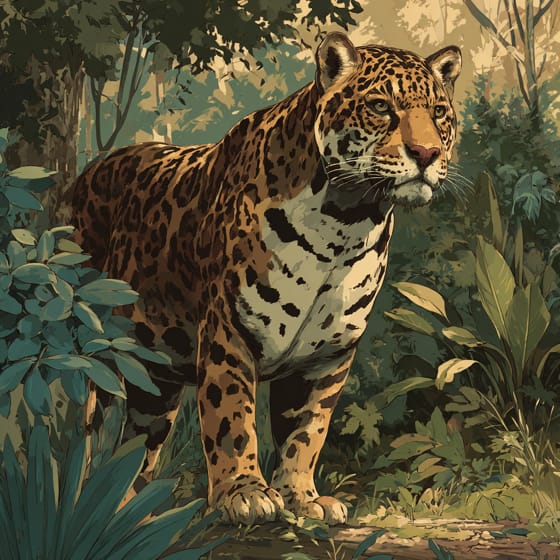
Panthera onca
Major predator of tamanduas.
Puma concolor
Also preys on tamanduas.
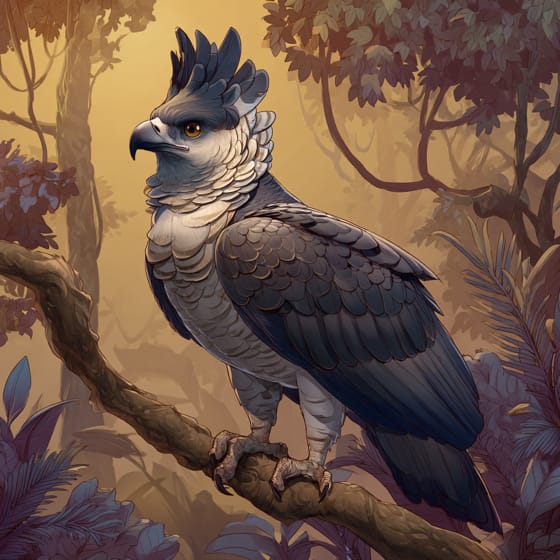
Harpia harpyja
Large raptor that can prey on arboreal tamanduas.
Furry describes animals possessing a dense covering of soft hair or fur.
Solitary animals live alone for most of their lives, only interacting with others for mating or parental care.
Arboreal animals live primarily in trees, utilizing them for shelter, food, and protection from predators.
This trait identifies organisms whose diet primarily consists of insects and other small invertebrates.

Forest habitats are terrestrial environments dominated by dense tree cover, supporting a high diversity of plant and animal life.

Threatened status denotes a species likely to become endangered in the foreseeable future without effective conservation interventions.

Nocturnal animals are primarily active during the nighttime hours, typically resting or sleeping during the day.
Danger
2/5 · Low
Tamanduas are wild animals and should be admired from a distance. Never try to touch or feed them.
The easiest way to identify Northern Tamandua is to use the Snappit nature identifier app.
35-55 cm
3.5-8.5 kg
9-10 years
10 km/h
This amazing insectivore loves to feast on ants and termites found in forests.
Forests
Foraging
Zoom in to split clusters and explore where this object has been snapped.
Recent snaps will appear here as new observations are added.
Take the discovery with you
Snap it with Snappit to identify it, learn what makes it special, and add the discovery to your collection.




.jpg&width=800)


.JPG&width=800)



.jpg&width=800)
