





Oceanic Dolphins
Delphinidae
Oceanic dolphins are playful and smart creatures that live in the sea. They love to jump and swim in groups called pods, making them fun to watch!
Habitat: Coastal areas
The Oceanic Dolphins are typically sleek-bodied with a torpedo shape, often featuring shades of grey, black, and white patterns. Many have a distinct dorsal fin, a rounded head with a prominent beak, and powerful tail flukes. Their streamlined form helps them cut through the water effortlessly.
Category
MammalsRarity
Common
Danger
1/5 · Very low
Snaps
Be the first to snap!
Dolphins don't drink seawater; they get water from their food!
Dolphins often work together to catch fish in a 'super pod'!
Some dolphins sleep with only half their brain at a time!
They can hold their breath underwater for up to 10 minutes!
Oceanic Dolphins can navigate and hunt in murky water using echolocation, emitting sounds and interpreting their echoes.
Oceanic Dolphins have complex brains that help them solve problems, learn, and communicate through various clicks and whistles.
Oceanic Dolphins can reach incredible speeds and perform acrobatic leaps because of their powerful tail flukes.
Oceanic Dolphins are expert hunters, eating many types of fish and squid from the ocean.
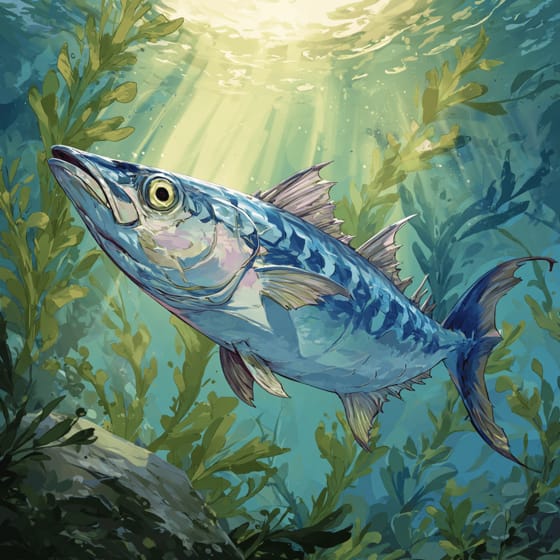
Scomber scombrus
Primary prey for many dolphin species.
Loligo pealeii
An important food source for various oceanic dolphins.
Thunnus thynnus
Dolphins often hunt these fast-swimming fish.
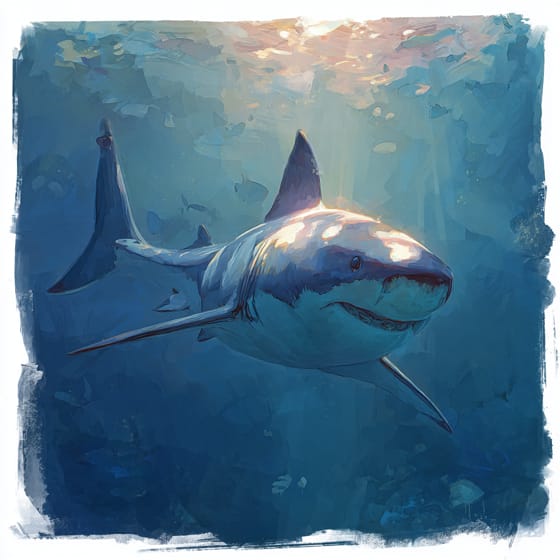
Carcharodon carcharias
Large sharks are known predators of young or injured dolphins.
Furry describes animals possessing a dense covering of soft hair or fur.
Social animals live in organized groups, cooperating for survival benefits such as foraging, defense, and raising offspring.
This trait describes organisms that manipulate external objects to achieve a specific goal.
Echolocation is a biological sonar used by animals to navigate, hunt, and communicate by emitting sound waves and interpreting the echoes.

Coastal habitats are dynamic environments located along the interface between land and sea, influenced by tides, waves, and saltwater.

This trait identifies organisms whose diet consists entirely or primarily of animal tissue.

Describes a species whose presence and role have a disproportionately large effect on its environment.

This trait identifies organisms that exhibit exceptional swiftness in movement for hunting, escape, or travel.

Aquatic habitats encompass environments where organisms live predominantly in water, including oceans, rivers, lakes, and wetlands.

Marine habitats encompass all saltwater environments of the Earth's oceans, supporting an immense diversity of aquatic life.

Migratory animals undertake seasonal movements from one region to another, typically in response to changes in climate or food availability.

Endangered status indicates a species is at a very high risk of extinction in the wild in the near future.
No aliases listed yet.
Danger
1/5 · Very low
Always watch dolphins from a safe distance and never try to touch them in the wild.
The easiest way to identify Oceanic Dolphins is to use the Snappit nature identifier app.
120-1000 cm
40-6000 kg
20-80 years
60 km/h
Oceanic Dolphins are expert hunters, eating many types of fish and squid from the ocean.
Coastal areas
Pursuit
Zoom in to split clusters and explore where this object has been snapped.
Recent snaps will appear here as new observations are added.
Take the discovery with you
Snap it with Snappit to identify it, learn what makes it special, and add the discovery to your collection.




.jpg&width=800)



.JPG&width=800)



.jpg&width=800)
